
Damp patches
Moisture mapping helps assess damp areas and whether moisture is spreading through materials.
Technology
Moisture mapping uses specialist moisture meters to assess damp, water damage and hidden moisture patterns following leaks, water ingress or escape of water incidents.
It is commonly used during insurance leak investigations, bathroom leak investigations and water damage assessments.
Google Reviews ★★★★★ 5.0 Rating 70+ Reviews Read ReviewsSpecialist meters help identify moisture levels across affected walls, floors and finishes.
Moisture mapping helps document how far water has spread after a leak or escape of water.
Readings can often be taken before opening-up, drying or repair work begins.
Findings can support photographic evidence, reports and escape of water claim documentation.
Investigation method
Moisture mapping uses specialist moisture meter readings to assess damp patterns, water damage and affected areas after leaks, water ingress or escape of water incidents.
Readings can be taken across walls, floors, ceilings and finishes to help understand how water has travelled through building materials. This documentation can then support reports, repair planning and insurance evidence.
Investigation principle
Moisture readings help document where damp is present, how far moisture may have spread and which areas may require drying, repair or further leak investigation.
Use cases
Moisture mapping helps assess damp areas and whether moisture is spreading through materials.
Readings can help investigate moisture around tiled walls, floors, showers and sanitary fittings.
Moisture meters help assess affected ceilings, walls and finishes after visible staining appears.
Moisture readings can support evidence-led escape of water investigations and reporting.
Mapping helps document where water has travelled after a known or suspected leak.
Follow-up readings can help understand remaining moisture before repair or reinstatement.
Advantages
Readings help show where water has moved through building materials and finishes.
Moisture maps can support written findings, photographs and claim documentation.
Moisture readings can help distinguish affected areas from unaffected areas.
Many readings can be taken without removing finishes or opening up surfaces.
Mapping helps inform drying scope before specialist drying or repairs begin.
Evidence of moisture spread can help prioritise access, drying and reinstatement work.
Method limits
Moisture mapping helps assess where moisture is present, but it does not always identify the original leak source on its own.
Moisture movement, building materials, historic leaks and drying times can all affect readings. Leak location methods such as tracer gas, thermal imaging or acoustic detection may still be needed to confirm the source.
Real investigation examples
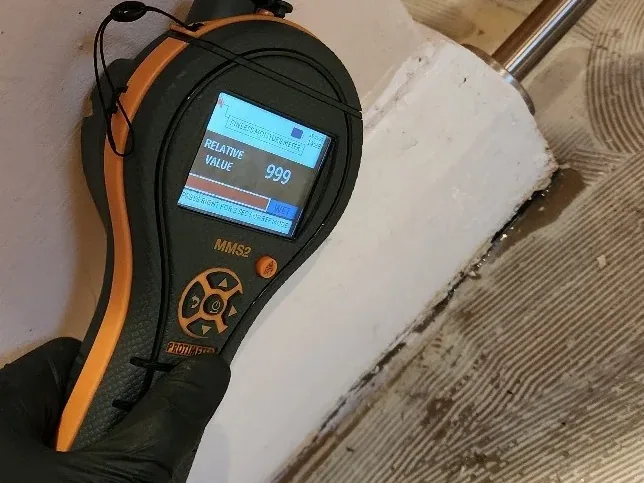
Moisture meter readings help identify affected areas after leaks or water ingress.
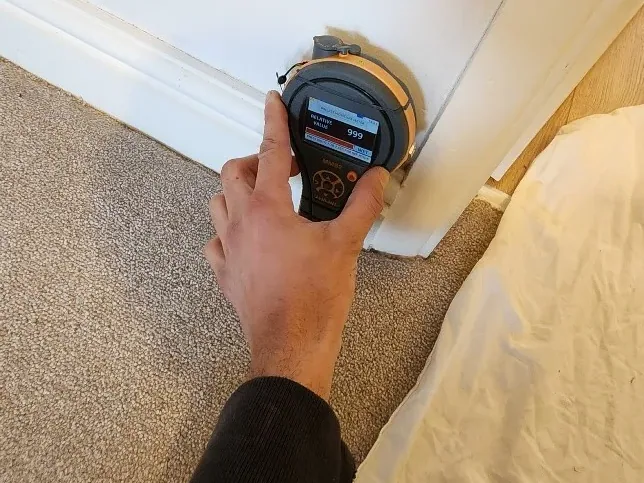
Readings can be taken across walls, floors and finishes to understand moisture patterns.
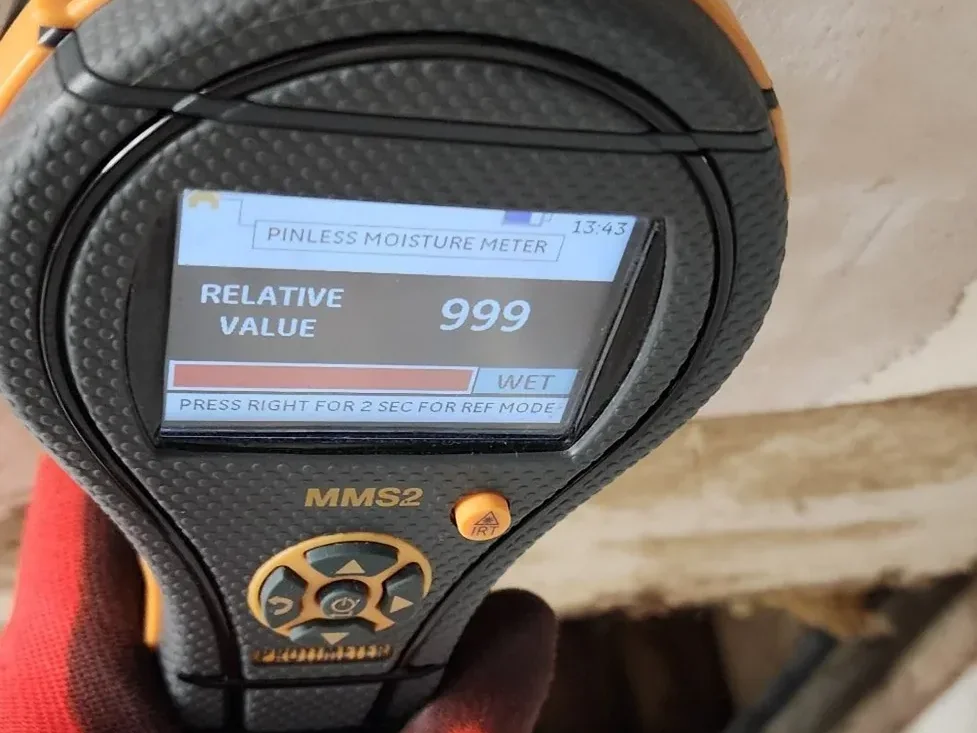
Moisture mapping supports damp investigations and escape of water evidence.
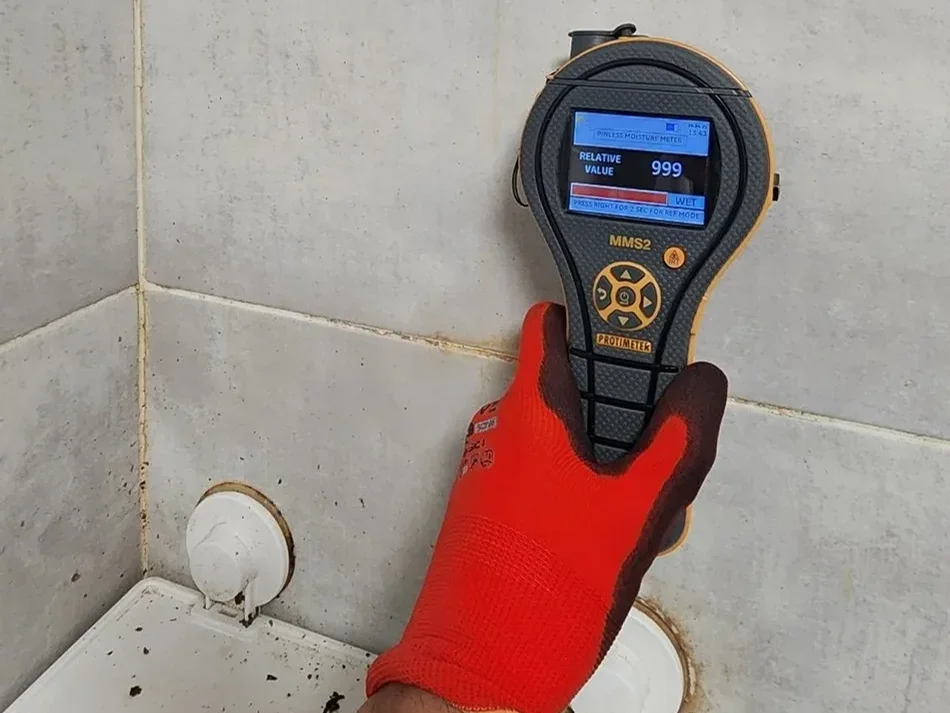
Moisture readings are useful during bathroom leak and water damage investigations.
Related investigations
Published investigations where moisture readings helped assess water movement and affected areas.
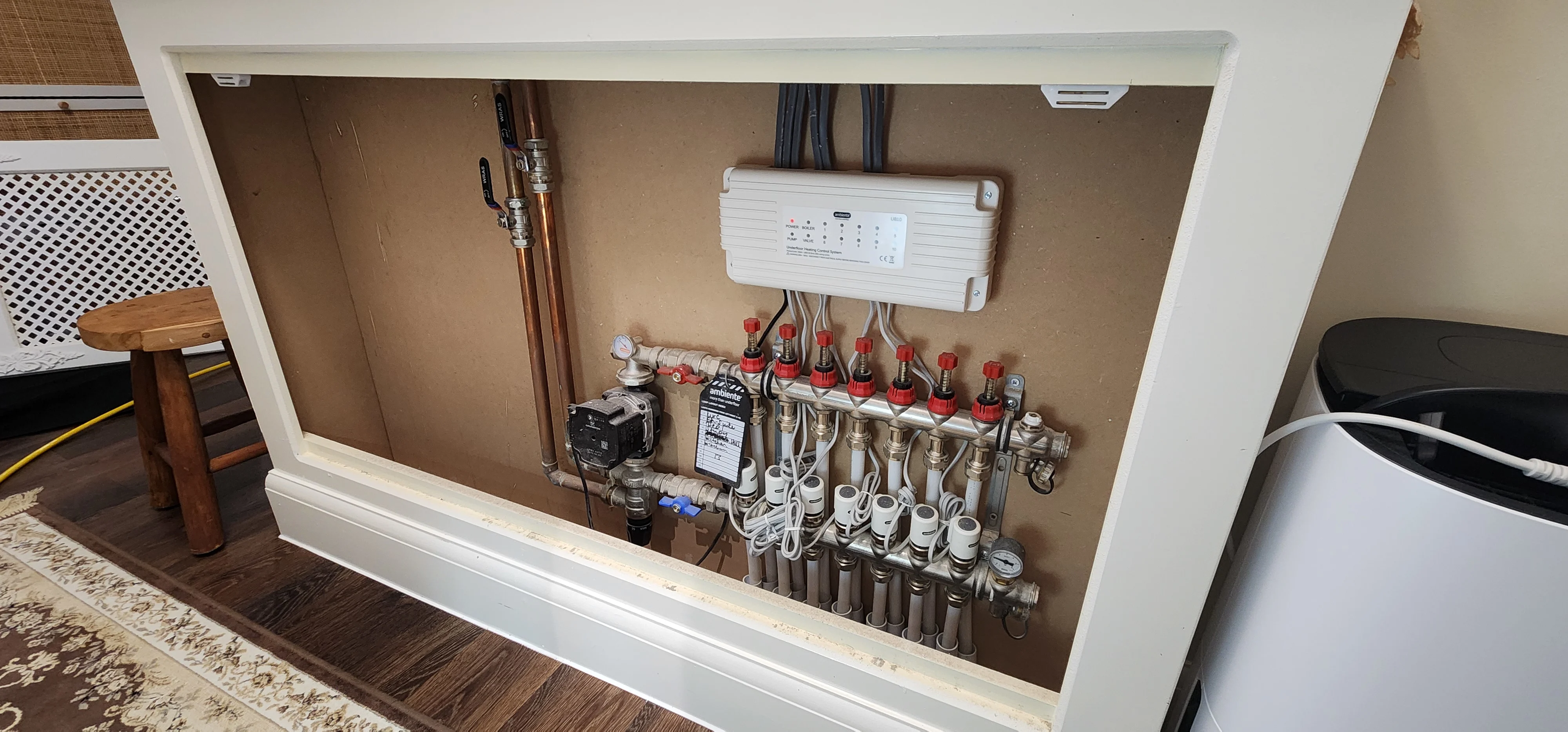
Plumbing Leak Investigation
Heating, hot-water and cold-water circuits were tested after water ingress was reported below; no plumbing leak evidence was found during the visit.
View investigation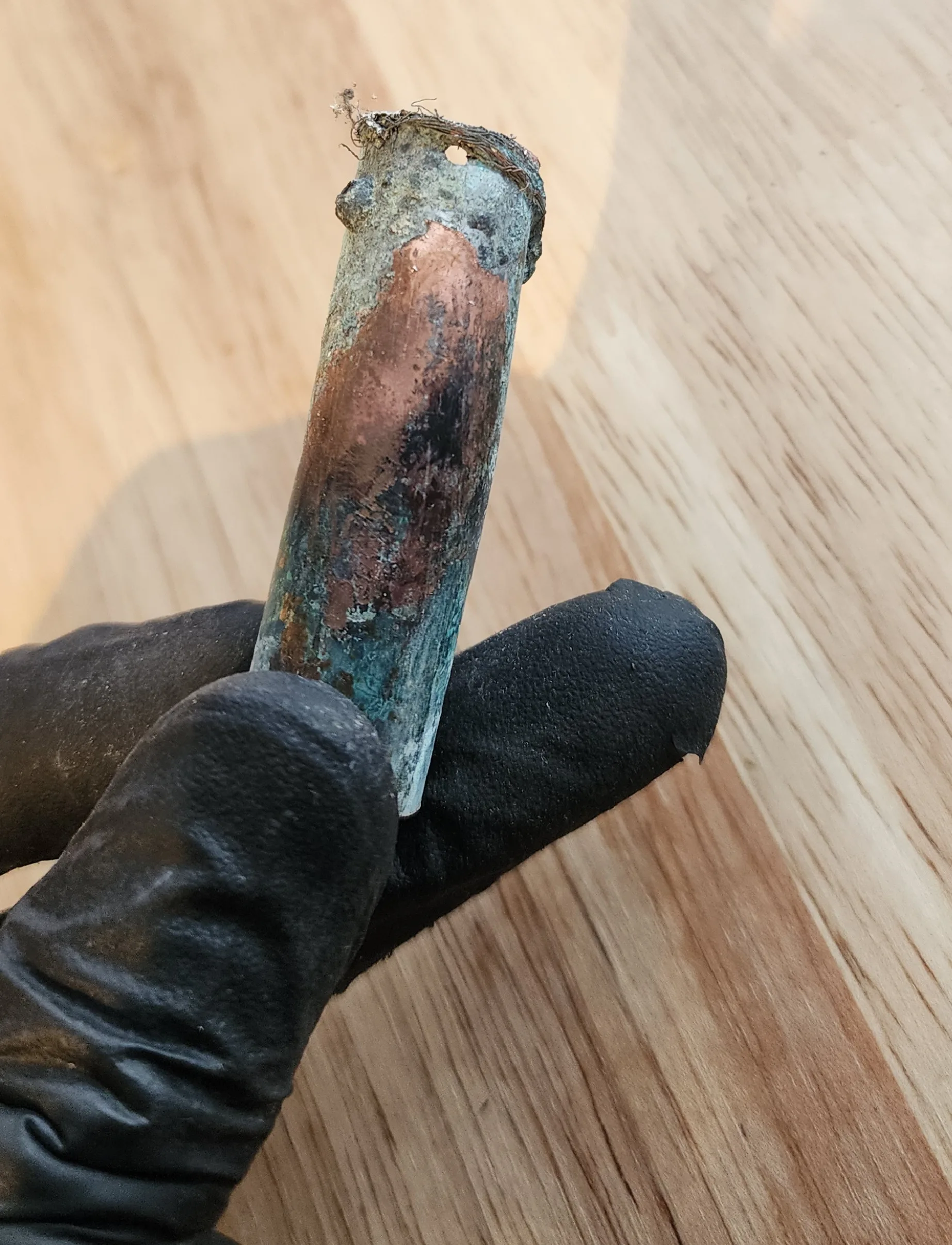
Mains Water Leak
A bowing kitchen subfloor was traced to a pinhole leak in a concealed copper mains water pipe, which was located, repaired and documented.
View investigation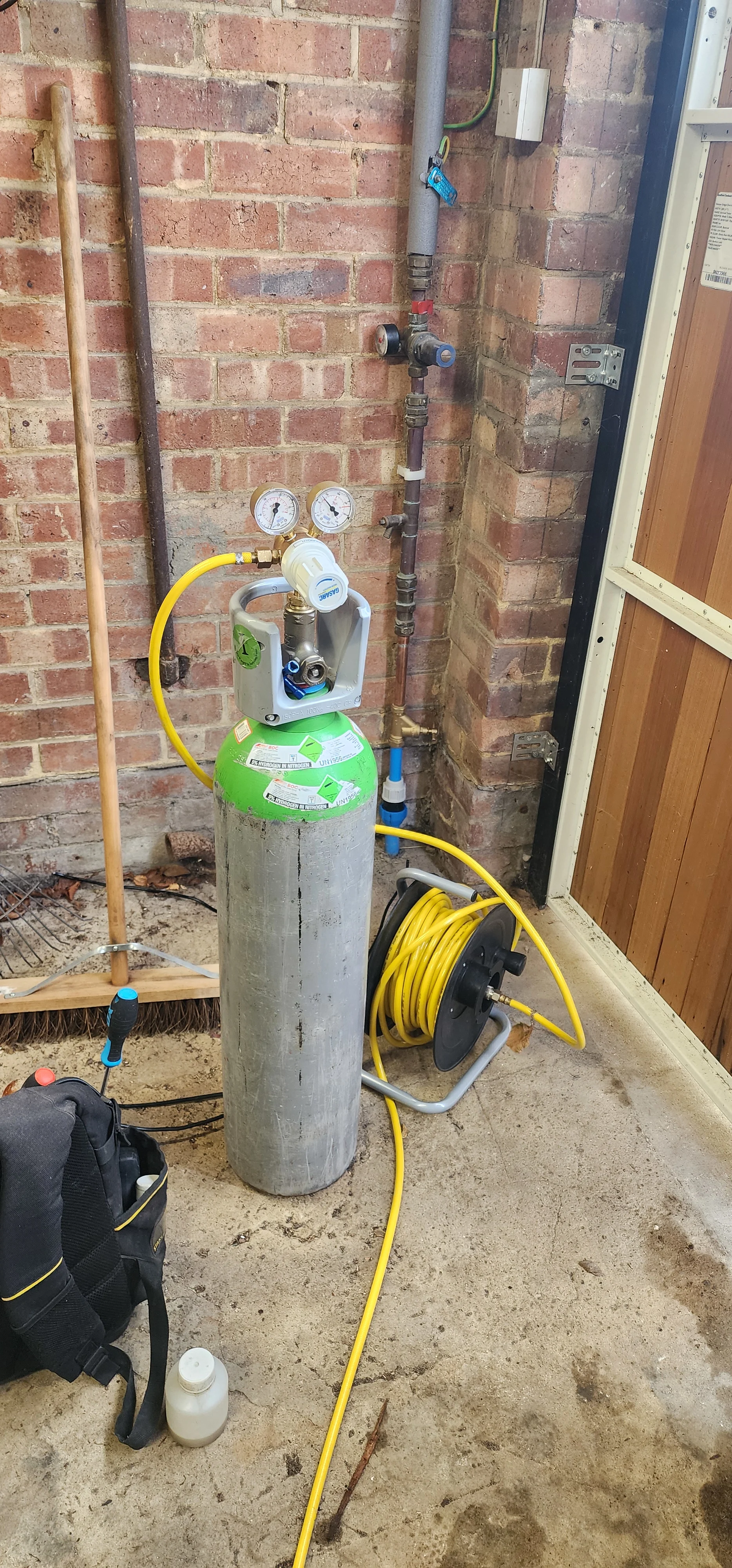
Mains Water Leak
Rushing water heard when no services were in use was traced to a hole in a lead supply pipe and repaired in one visit.
View investigationRelated services
Evidence-led leak reports prepared for insurer, loss assessor and claim requirements.
Investigation for shower leaks, bath leaks, damp walls and water ingress around fittings.
Specialist hidden water leak detection using non-destructive investigation methods.
Leak tracing and access evidence for concealed leaks and insurance claim requirements.
Damp surveys and moisture mapping for water ingress and hidden leak symptoms.
Investigation for hidden waste pipe, soil pipe and foul water leak symptoms.
FAQs
Moisture mapping is the process of taking moisture readings across affected materials to understand damp patterns, water spread and areas affected by a leak.
Not always. Moisture mapping shows where moisture is present, but leak location methods such as tracer gas, thermal imaging or acoustic detection may still be required.
Yes. Moisture readings and photographs can support escape of water investigations, reports and insurer evidence requirements.
Yes. Readings across walls, floors and ceilings can help document the spread of moisture through affected building materials.
It is useful when damp, staining or water damage is present, especially before drying, access work, repairs or insurance reporting.
Request a survey
Speak to a specialist about damp investigation, escape of water evidence or water damage assessment.