
Specialist Leak Detection
Focused investigation for concealed or uncertain leaks within homes.
Internal Plumbing Leak Detection
Locate hidden and concealed leaks within domestic plumbing using thermal imaging, tracer gas and acoustic detection.
We investigate internal hot and cold water pipework behind walls, beneath floors, above ceilings and around bathrooms where the source is uncertain.
Google Reviews ★★★★★ 5.0 Rating 70+ Reviews Read ReviewsFocused investigation for concealed or uncertain leaks within homes.
Thermal imaging, tracer gas, acoustic detection and moisture mapping.
London, Surrey, Berkshire, Buckinghamshire, Oxfordshire, Hampshire and Sussex.
Written findings and photographic evidence can support claim requirements.
What It Means
Plumbing leak detection is the process of locating concealed or uncertain leaks within internal domestic pipework. The source may be behind a wall, beneath a floor or above a ceiling even when the visible symptom appears elsewhere.
A specialist investigation is different from general plumbing because it uses diagnostic equipment before disruptive access work begins. The aim is to narrow the leak source and reduce unnecessary damage.
Thermal imaging, tracer gas, acoustic detection and moisture mapping are used where appropriate to build a clearer picture of the leak route, affected areas and likely access point.
For broader support across internal, mains, heating and commercial systems, explore our specialist water leak detection services.
If you are still establishing whether water loss may be hidden, our guide to checking for a hidden water leak explains safe preliminary observations before an investigation is arranged.
Use mains water leak detection for an underground or meter-to-property supply pipe; central heating leak detection for boiler or sealed-system pressure loss; underfloor heating leak detection for a UFH circuit; and commercial leak detection for business, managed or commercial properties.
Symptoms
Repeated pressure loss can indicate a concealed heating system leak that needs diagnostic testing.
Unexpected usage can point to a hidden mains or supply pipe leak inside or outside the property.
New damp patches should be investigated before opening walls, floors or ceilings unnecessarily.
Ceiling staining can come from bathrooms, heating pipework, supply pipes or other concealed sources.
A meter that continues moving when outlets are off can indicate an active hidden water leak.
Lower pressure can be linked to pipework faults, supply issues or leakage on the system.
Floor-level symptoms can have several causes. Read how to check for a leak beneath a floor before lifting finishes or assuming the source.
Process
We review the symptoms, property layout, systems affected and any insurance requirements.
Methods are selected according to the system, symptoms and site conditions rather than using every technology on every visit.
Findings are correlated to narrow the likely leak source and the area that may require targeted access.
Photographs and written recommendations can support access planning, repair handover or insurance discussions.
We explain the findings, photographs and likely affected area so targeted access can be planned. Written recommendations can then be handed to an appropriate repair contractor, with any post-repair checks arranged where the investigation indicates they may be useful. Opening-up, permanent repair, reinstatement and insurer approval remain separate unless specifically included in the agreed scope.
Leak Types
Technology
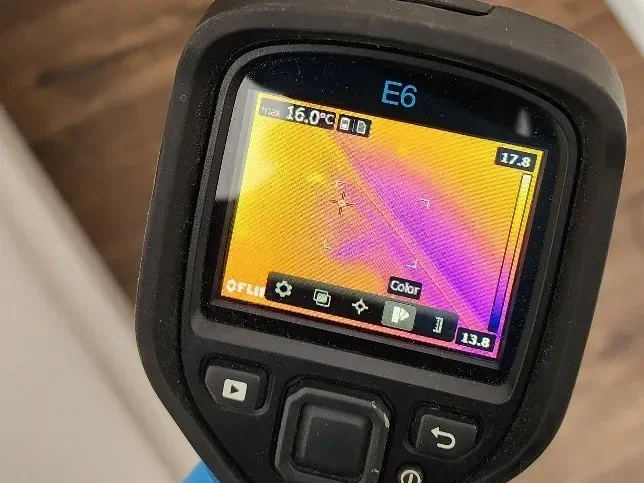 Thermal Imaging May reveal temperature patterns that help assess concealed hot water movement and affected surfaces.
 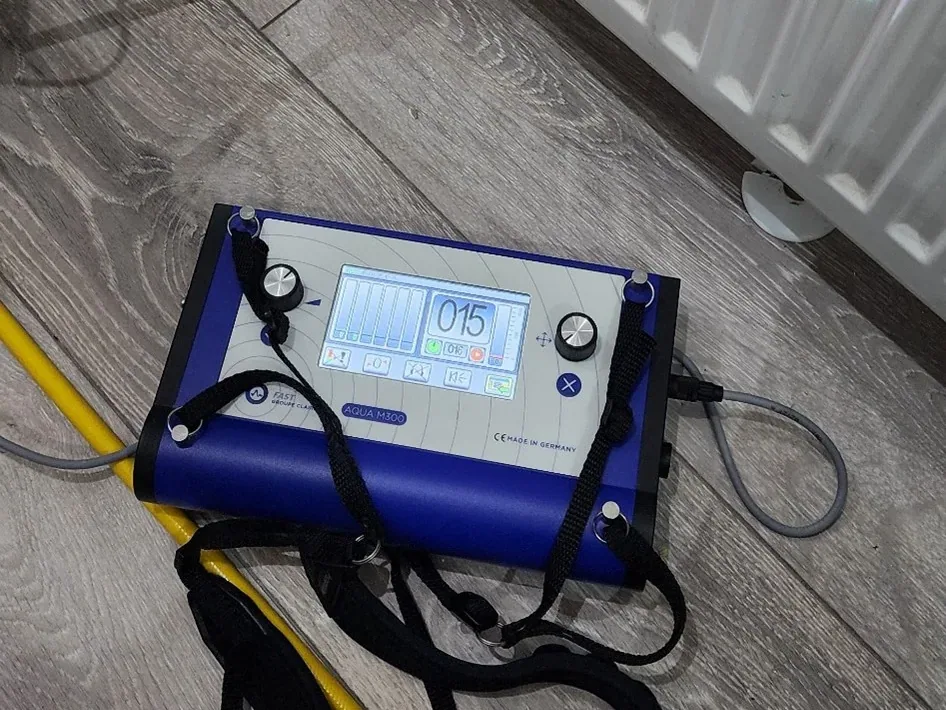 Tracer Gas Can help establish a likely escape area where suitable pipework can be isolated and tested safely.
 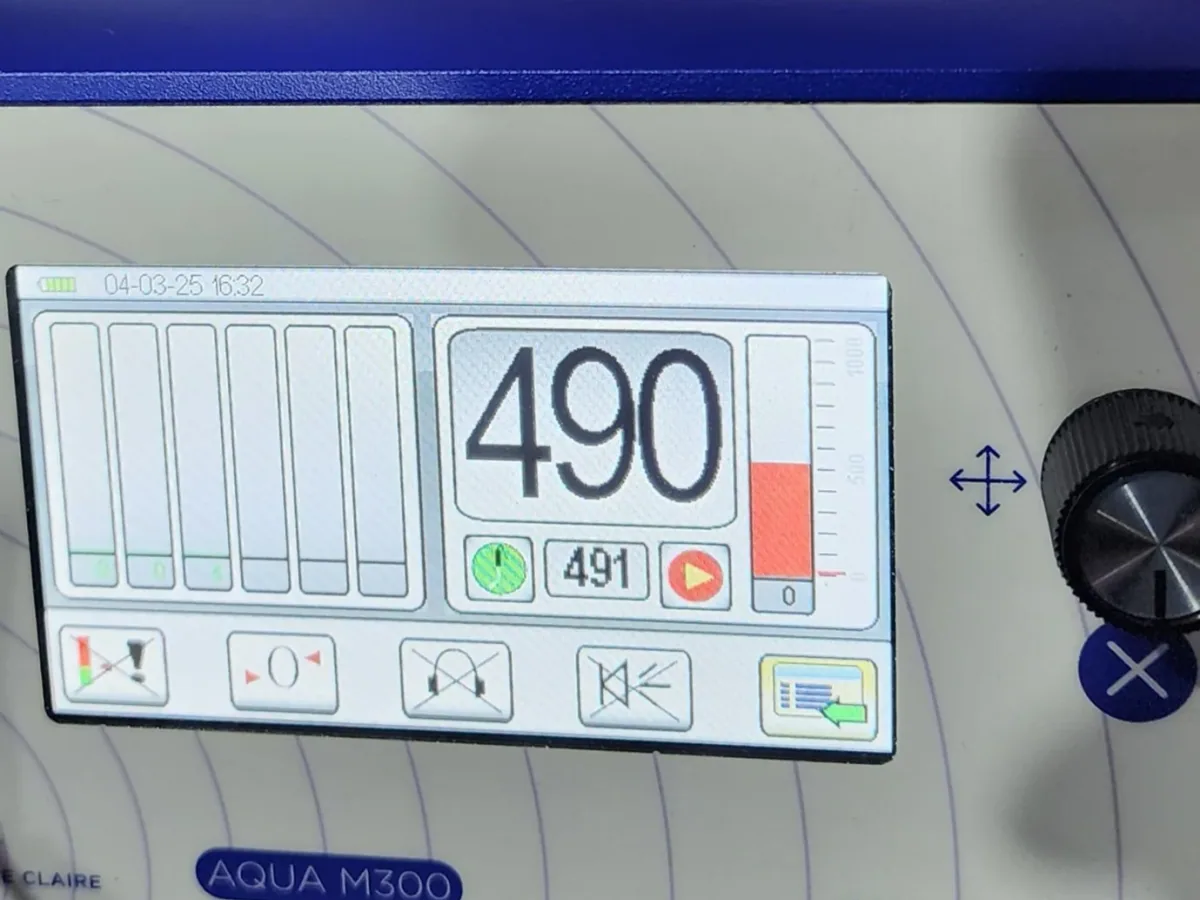 Acoustic Detection May support location work on pressurised pipework where leak sound can be detected under site conditions.
 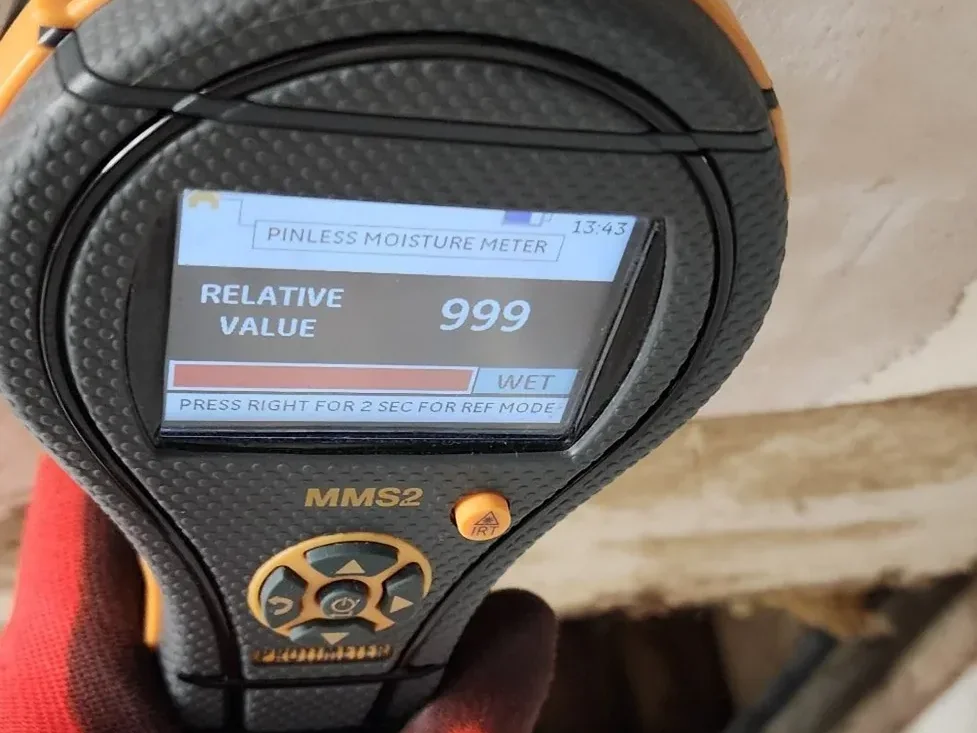 Moisture Mapping Helps record the extent and pattern of moisture so findings can be compared with pipe routes and other evidence.
 Investigation methods are selected according to the affected system, symptoms and site conditions. Not every method is used on every investigation, and no single technique guarantees an exact result in every circumstance.
Supporting Methods
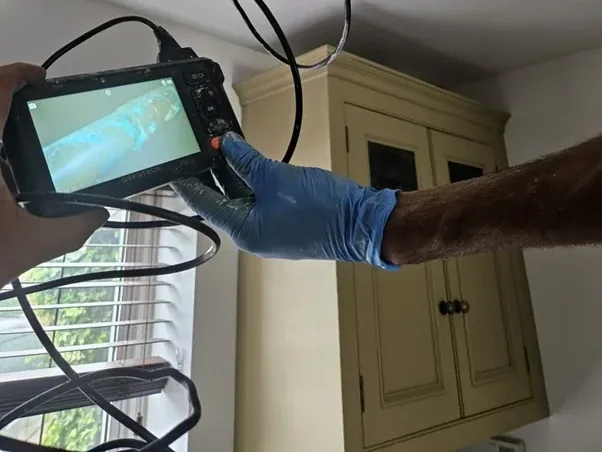
Small inspection cameras are used to visually check concealed voids, pipe routes and difficult-to-access areas before opening up.
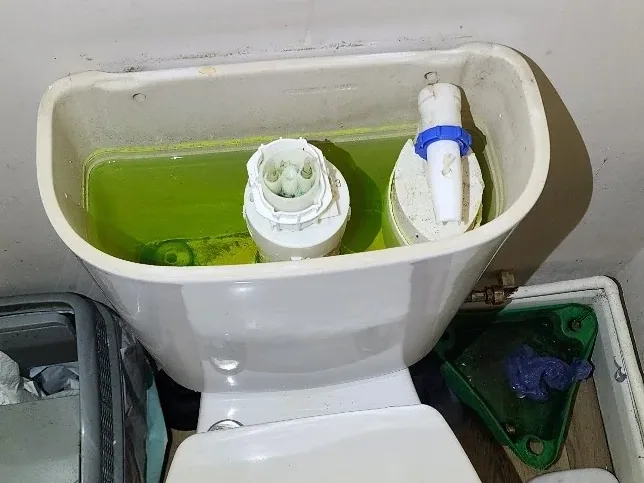
Coloured test dye can help confirm water paths, waste leaks, bathroom leaks and suspected escape routes.
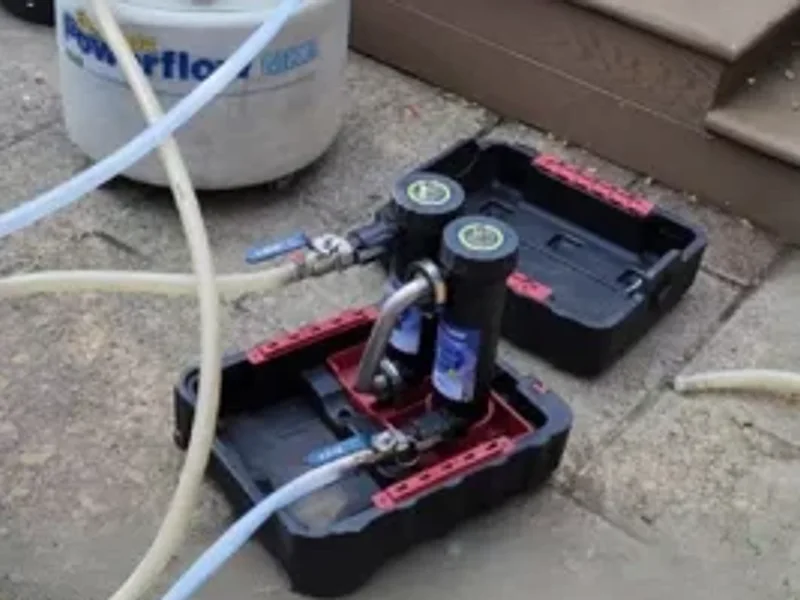
Controlled pressure testing helps identify whether sealed pipework or heating circuits are losing pressure.
Investigation Evidence
These published investigations show different symptoms, concealed locations and evidence-led methods used for internal domestic water leaks.
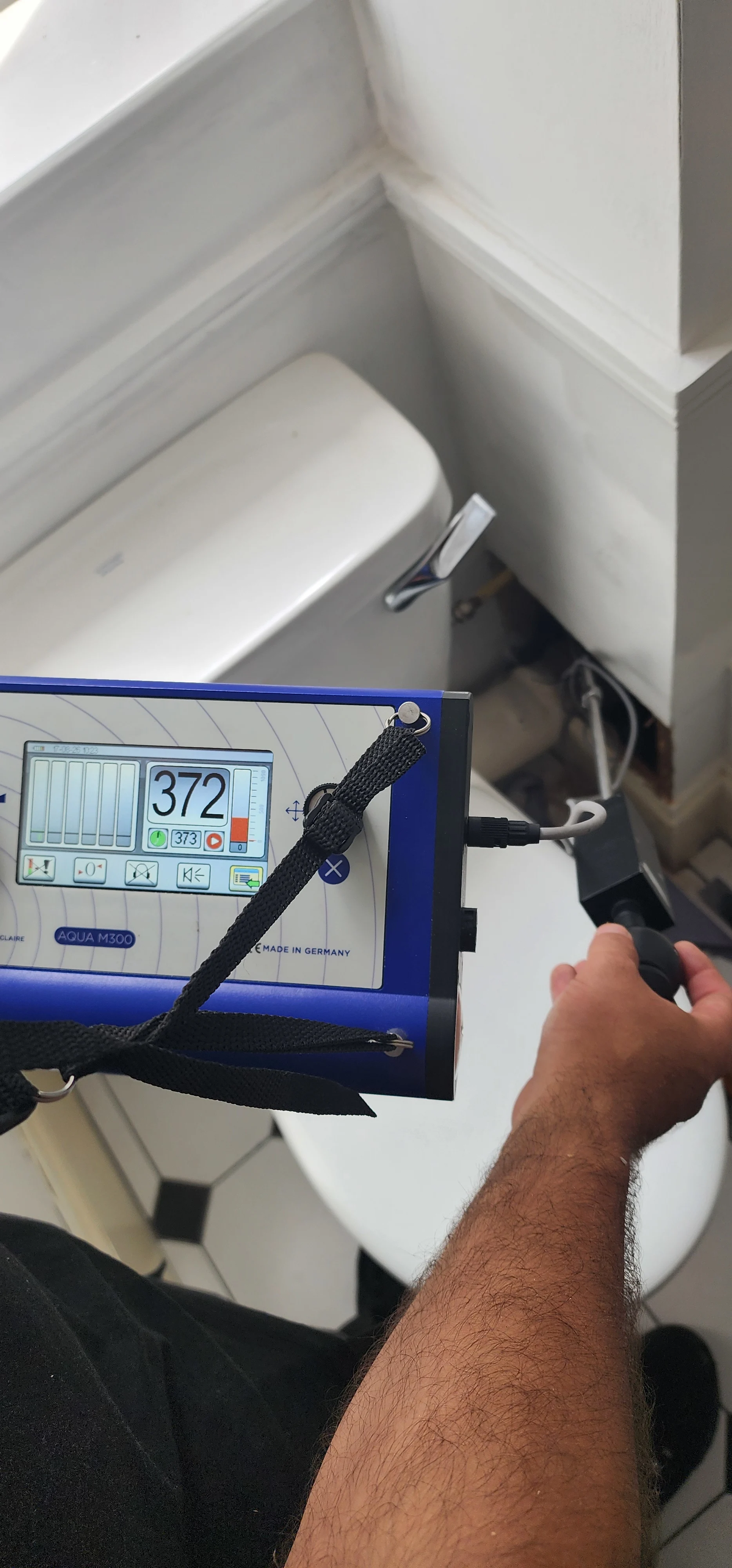
Abingdon, Oxfordshire
Concealed Plumbing Water LeakSpreading water marks led to a concealed plumbing leak area that was identified and marked for a suitably equipped plumber to access and repair.
Why it relates: Shows how spreading wall marks led to a concealed plumbing leak area that was identified and marked for repair access.
View case study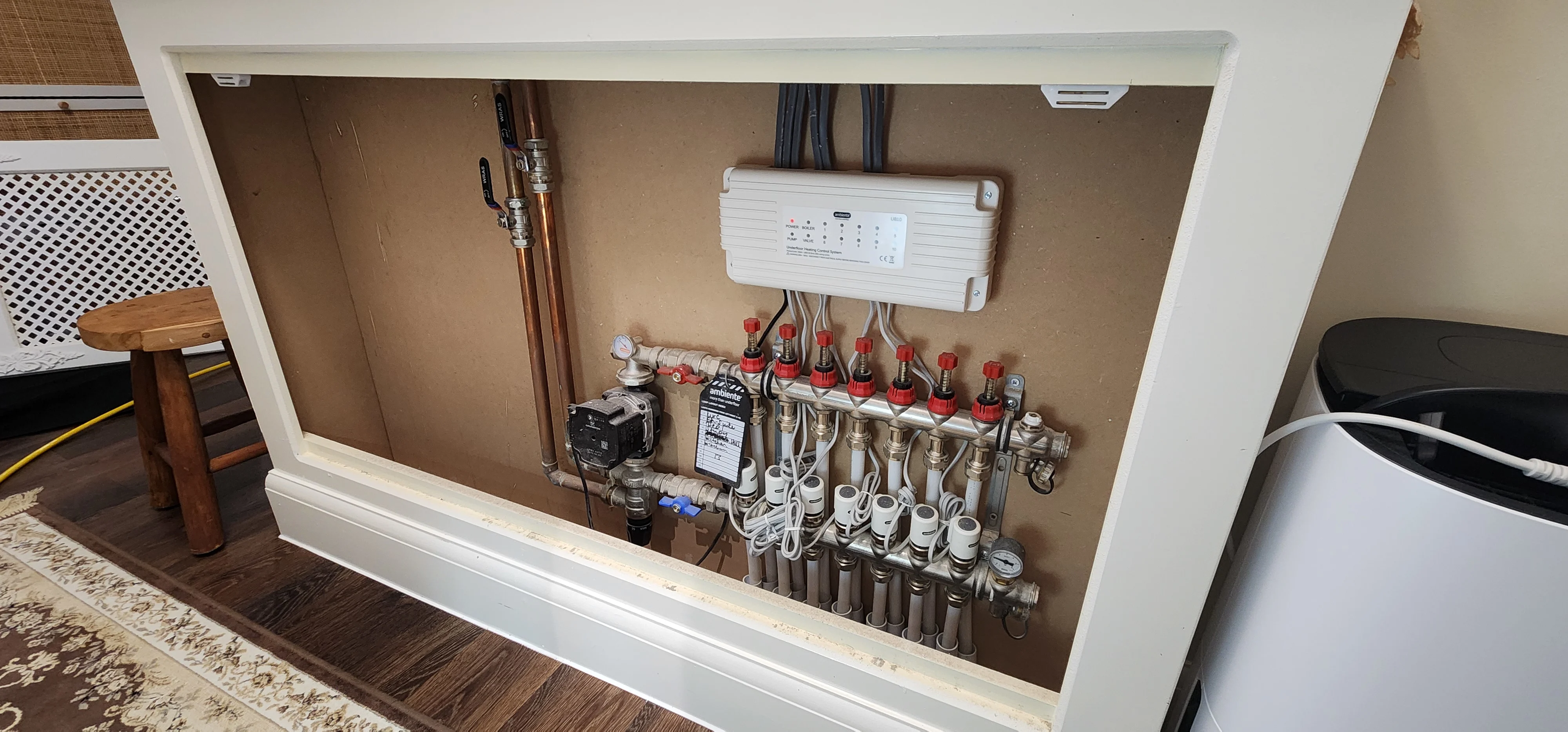
Iver, Buckinghamshire
Plumbing Leak InvestigationHeating, hot-water and cold-water circuits were tested after water ingress was reported below; no plumbing leak evidence was found during the visit.
Why it relates: Shows how testing can exclude heating, hot-water and cold-water circuits before the investigation moves to another possible source.
View case study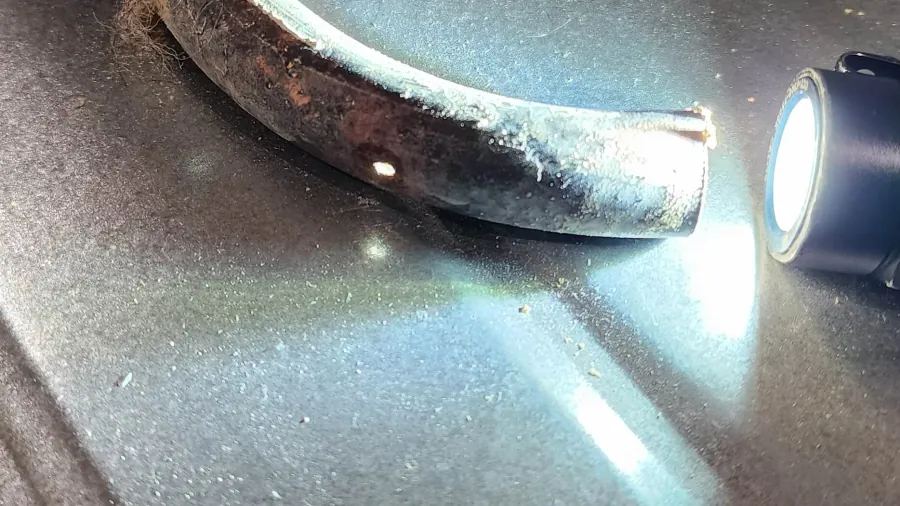
Camberley, Surrey
Hot Water LeakA reported hot water leak in Camberley was investigated using thermal imaging, tracer gas and acoustic detection methods.
Why it relates: Shows how several methods were combined to assess concealed domestic hot-water pipework and support targeted repair planning.
View case studyRelated Services
Specialist investigation for concealed UFH pipework, pressure loss and damp floor symptoms.
For meter-to-property supply pipes, underground leaks, running meters and external water loss.
For boiler pressure loss and concealed leaks within sealed central heating pipework.
For businesses, managed properties and commercial buildings with wider stakeholder requirements.
Leak tracing and access evidence for concealed pipework and insurance claim requirements.
Damp surveys and moisture mapping for water ingress and hidden leak symptoms.
Coverage
Plumbing leak detection surveys are available across London, Surrey, Berkshire, Buckinghamshire, Oxfordshire, Hampshire and Sussex for homeowners, landlords and residential property managers.
FAQs
Yes. The investigation starts with non-destructive methods such as thermal imaging, tracer gas, acoustic detection and moisture mapping before access work is recommended.
Tracer gas is used where pipework can be isolated and charged safely. It can help locate concealed leaks that are not visible and cannot be confirmed by thermal imaging alone.
Thermal imaging can show temperature patterns linked to hot water movement, heating pipework, damp areas or abnormal heat loss. It is used with other tests to build evidence.
Cost depends on the property, system type, symptoms and investigation required. Contact us with the details and postcode so a specialist can advise the appropriate survey.
Yes. We can provide written findings and photographs that support trace and access or escape of water claim requirements. Your insurer decides what is covered.
Get Expert Help
Speak to a specialist about damp patches, pressure loss, high water bills or suspected hidden pipework leaks.
Phone: 0333 577 0194 WhatsApp: Message us Email: Use the contact form