Concealed Pipework
Investigation for hot water pipes beneath floors, within concrete, behind finishes and inside voids.
Domestic Hot Water Leak Detection
Evidence-led investigation for concealed hot water pipework leaks beneath floors, within concrete and behind finishes.
We investigate suspected domestic hot water leaks where moisture, heat patterns, staining or concealed pipe routes need to be understood before access work is planned.
Google Reviews ★★★★★ 5.0 Rating 70+ Reviews Read ReviewsInvestigation for hot water pipes beneath floors, within concrete, behind finishes and inside voids.
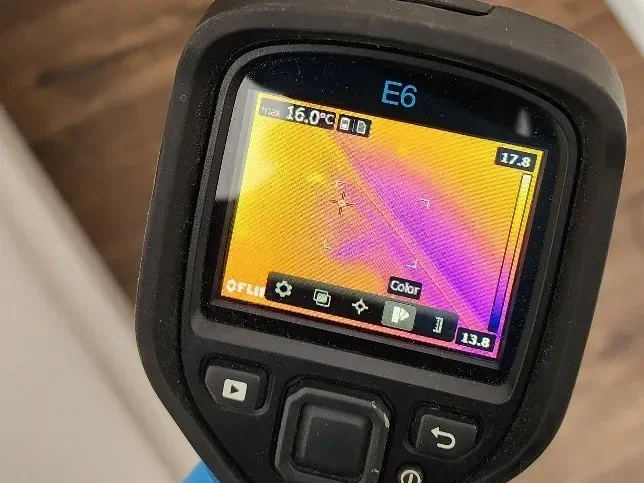
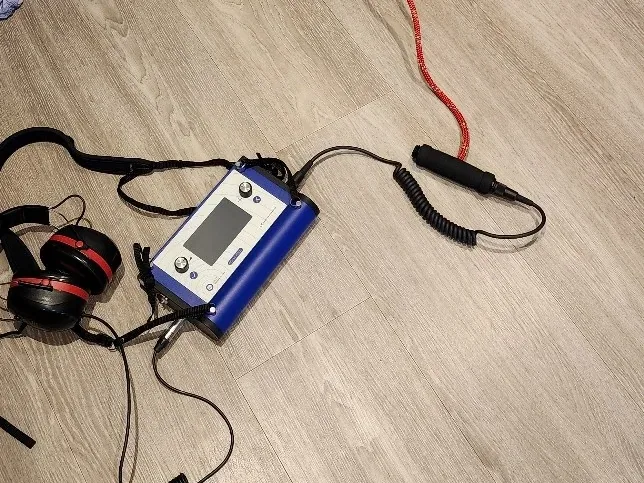
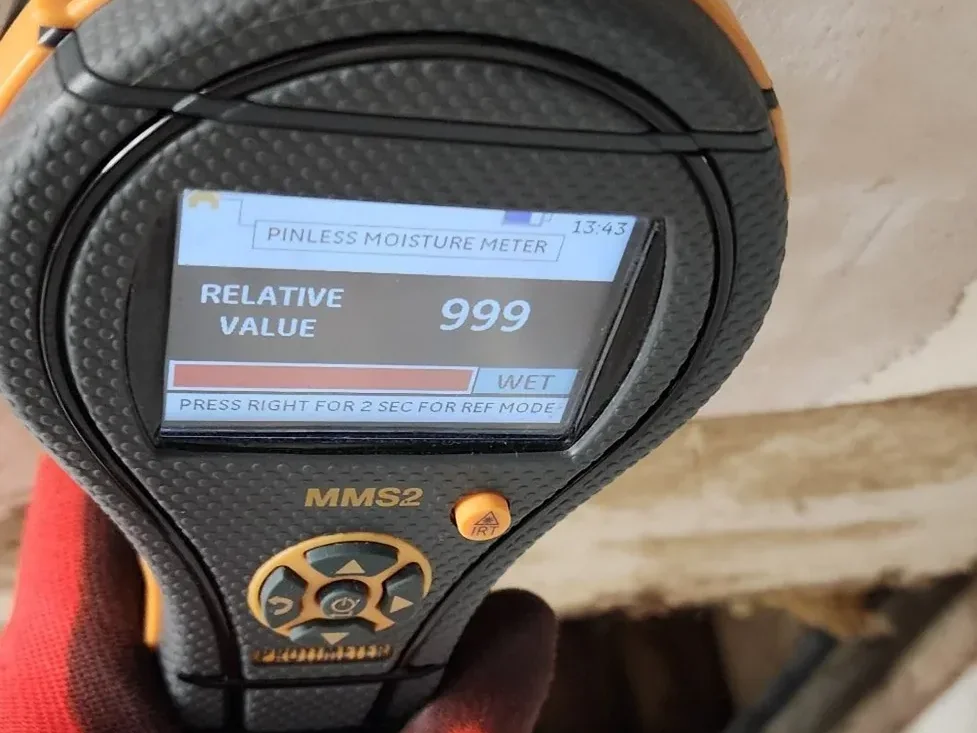
Thermal imaging, tracer gas, acoustic checks and moisture mapping may be used where suitable.
Findings can support repair planning, access decisions and insurance evidence where relevant.
Support for homeowners, landlords, tenants, managing agents and property professionals.
What It Covers
Domestic hot water leak detection focuses on concealed hot water pipework rather than boilers, appliances or general plumbing repairs. The leak may be beneath a floor, within concrete, behind a wall finish or inside a restricted void.
Because hot water can create heat patterns as well as moisture symptoms, investigations often combine visual checks with methods such as thermal imaging, tracer gas, acoustic detection and moisture mapping.
Where damage has occurred, findings may support trace and access, insurance leak investigation or targeted repair planning.
Common Situations
Warm patches, damp flooring or changing floor conditions can indicate hot water pipework below.
Stains on ceilings, walls or floors may appear away from the actual hot water pipe leak source.
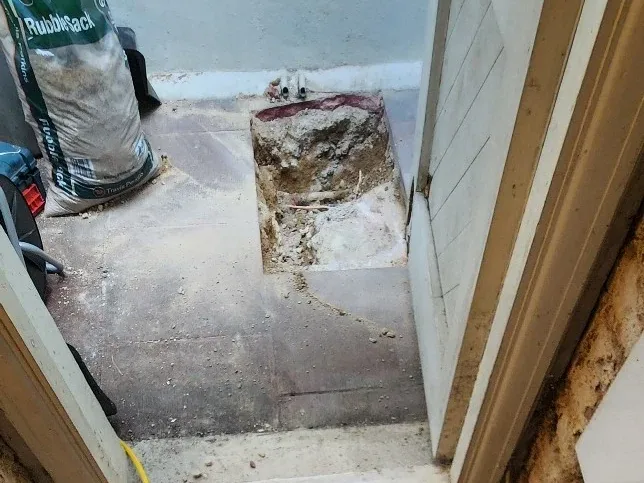
Domestic hot water pipework can be concealed within screed or concrete, requiring targeted investigation.
Moisture around flooring, skirting, cupboards or voids may point to concealed pipework movement.
The leak may be hidden beneath finishes, behind boxing, in a void or under a finished floor.
Some symptoms overlap with heating faults, so the investigation should focus on evidence rather than assumptions.
Investigation Process
We review hot water symptoms, affected rooms, pipe routes, property construction and any previous checks.
Thermal imaging, tracer gas, acoustic detection, moisture mapping or pressure checks are selected where suitable.
Readings, images and visible symptoms are compared to narrow the likely hot water pipework route.
You receive clear findings to support targeted access, repair planning or insurance trace and access evidence.
Why It Matters
Technology
Related investigations
Published investigations involving hot water or domestic hot water pipework leaks.
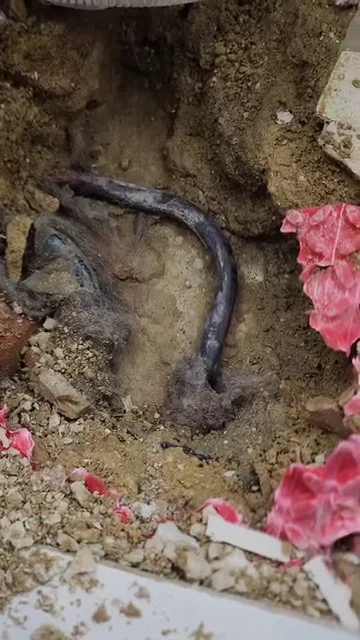
Domestic Hot Water Leak
A domestic hot water leak in concrete in Wallington was traced using non-intrusive leak detection methods.
View investigation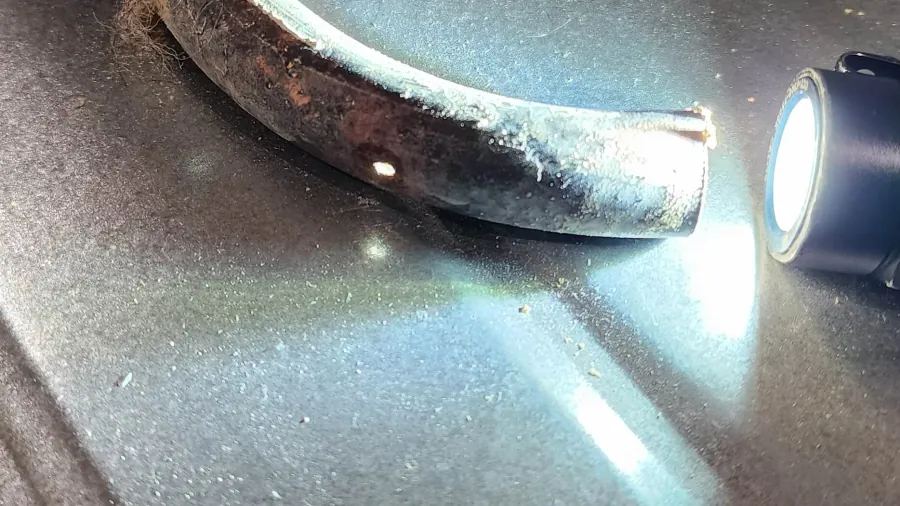
Hot Water Leak
A reported hot water leak in Camberley was investigated using thermal imaging, tracer gas and acoustic detection methods.
View investigationRelated Problems
Hot water issues can sometimes overlap with pressure loss, damp symptoms or concealed pipework leaks.
Damp or warmth below flooring may need investigation around heating or hot water pipe routes.
Damp patches near pipe routes can be linked to hidden water escape or water tracking through materials.
Hot water pipework concealed in concrete may require non-destructive investigation before access work.
Related Services
Specialist investigation for hidden water leaks in walls, floors, ceilings and concealed pipework.
Leak tracing and access evidence for concealed pipework and insurance claim requirements.
Moisture and damp investigation where hidden pipework may be contributing to water ingress.
Investigation for sealed heating circuit pressure loss and concealed heating pipework leaks.
Coverage
Domestic Hot Water Leak Detection surveys are available across London, Surrey, Berkshire, Buckinghamshire, Oxfordshire, Hampshire and Sussex for homeowners, landlords, managing agents and property professionals.
FAQs
Domestic hot water leak detection is the investigation of concealed hot water pipework leaks beneath floors, within concrete, behind finishes or inside voids.
Possible signs include warm damp flooring, staining near pipe routes, unexplained moisture, damp below floors or evidence that appears when hot water pipework is in use.
Yes, where conditions are suitable. Methods such as thermal imaging, tracer gas, acoustic detection and moisture mapping may help narrow the likely route before access work.
No. Boiler faults and appliance repairs should be handled by a qualified heating engineer. This service focuses on concealed domestic hot water pipework leaks.
Where relevant, findings can include photographs, method notes and evidence to support access decisions, repair planning or insurance trace and access requirements.
Get Expert Help
Speak to a specialist about suspected hot water pipework leaks, damp flooring, concrete-floor pipe routes or concealed water movement.
Phone: 0333 577 0194WhatsApp: Message usEmail: Use the contact form