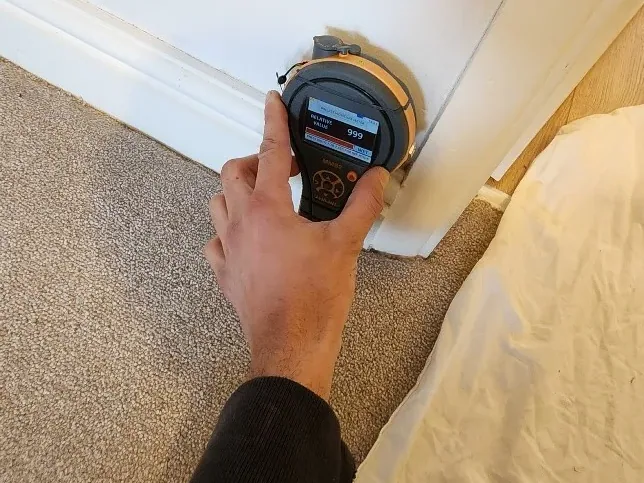
Moisture Mapping
Moisture readings help assess water movement and affected materials.
Damp Investigation
Investigate damp patches, moisture ingress and hidden leak symptoms using evidence-led damp survey methods and specialist leak detection equipment.
We assess damp patterns, moisture readings and likely leak routes to help identify whether the cause is water ingress, plumbing leakage, condensation or another building-related issue.
Google Reviews ★★★★★ 5.0 Rating 70+ Reviews Read ReviewsMoisture readings help assess water movement and affected materials.
Investigation is carried out before unnecessary strip-out is considered.
Written findings and photographs can support claim requirements.
London, Surrey, Berkshire, Buckinghamshire, Oxfordshire, Hampshire and Sussex.
What It Means
A damp investigation is a structured survey of damp patches, moisture ingress, water staining and hidden leak symptoms. It helps establish whether moisture is linked to plumbing, heating, external water ingress, condensation or material saturation.
A damp survey should not rely on visual inspection alone. Moisture readings, thermal patterns, property layout, pipe routes and recent changes all need to be considered before repairs or access work are planned.
Where a hidden leak is suspected, specialist plumbing leak detection and trace and access evidence can support repair planning or an insurance leak investigation. If moisture is appearing below timber floors, our guide to damp under floorboards explains when leak detection may be appropriate.
Causes & Symptoms
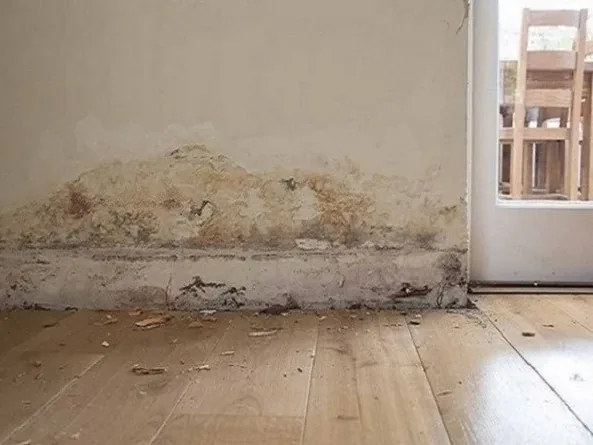
A new or spreading damp patch may be linked to a hidden pipe leak, water ingress or trapped moisture.
Water entering from outside can travel through walls, floors and finishes before the source is obvious.
Staining on ceilings or walls can indicate water movement from pipework, bathrooms, roofs or external defects.
Ongoing musty odours can suggest moisture trapped behind finishes or beneath flooring.
Repeated mould in one area can be caused by damp materials, poor ventilation or an active leak source.
Recurring damp after repairs often indicates the underlying source has not been properly identified.
Investigation Methods
We review damp location, property layout, visible staining, recent repairs and likely water routes.
Moisture readings help identify affected materials, spread patterns and possible source direction.
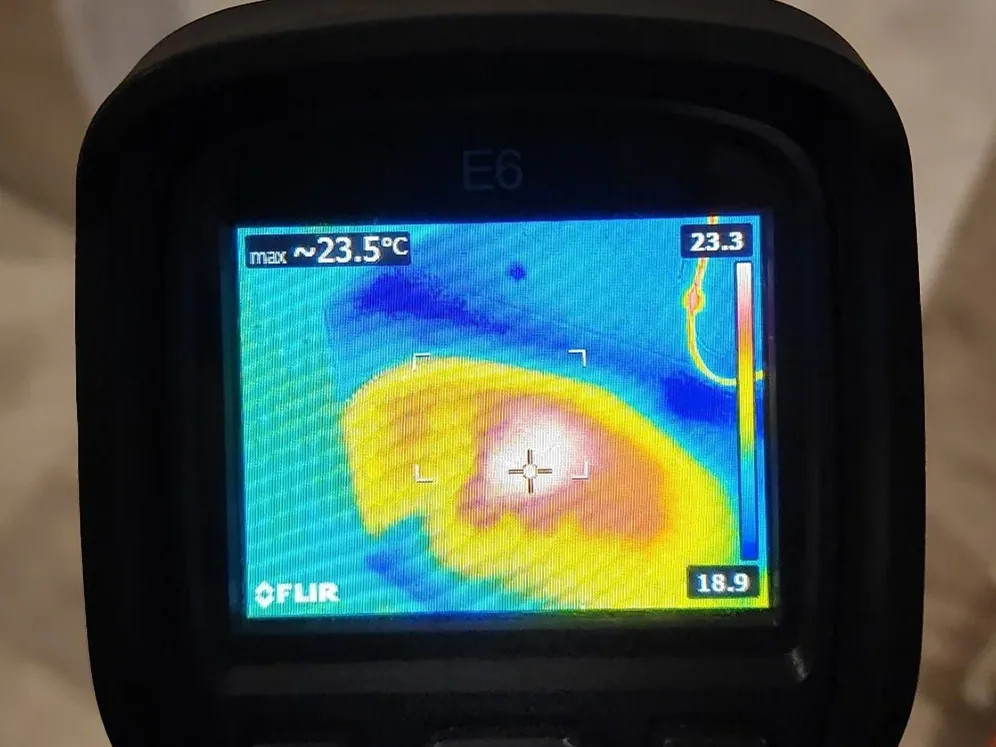
Thermal imaging, acoustic checks or tracer gas testing are used where symptoms suggest hidden leakage.
You receive clear findings to support repair decisions, access planning or insurance requirements.
Why It Matters
Technology
Supporting Methods
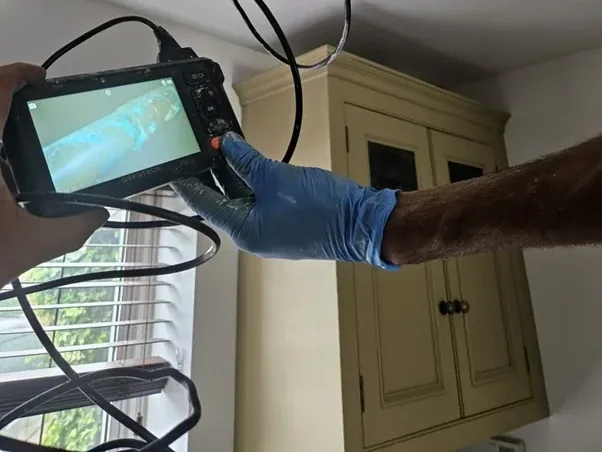
Small inspection cameras are used to visually check concealed voids, pipe routes and difficult-to-access areas before opening up.
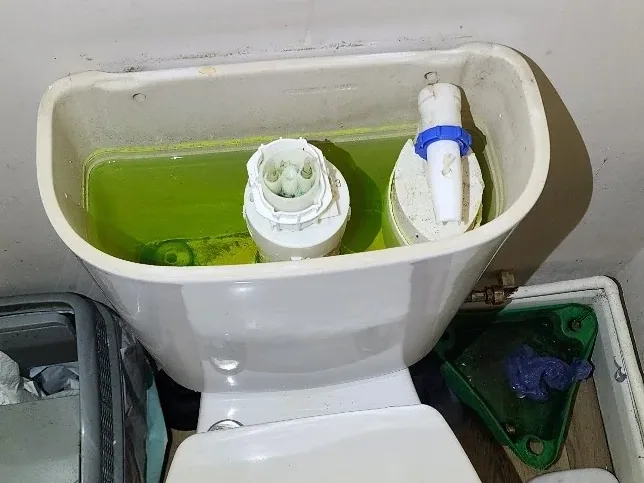
Coloured test dye can help confirm water paths, waste leaks, bathroom leaks and suspected escape routes.
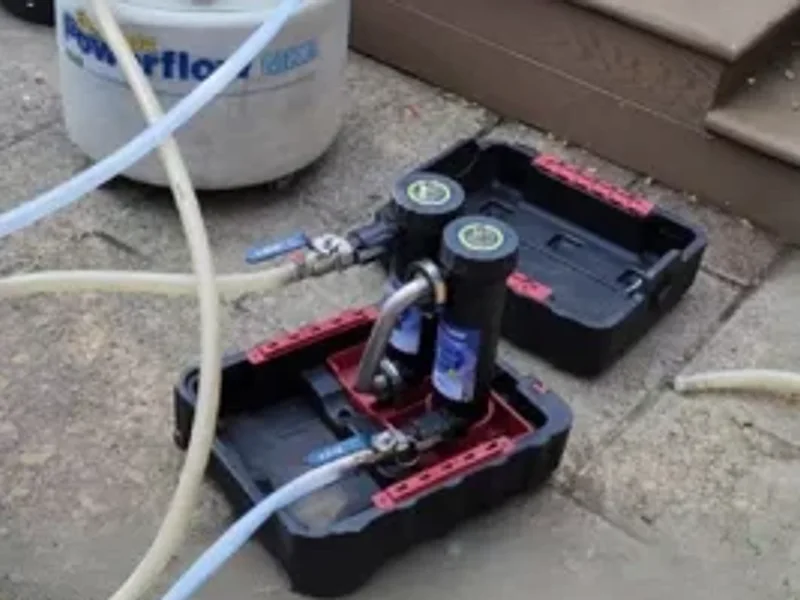
Controlled pressure testing helps identify whether sealed pipework or heating circuits are losing pressure.
Related Services
Specialist investigation for hidden leaks in pipework, walls, floors and ceilings.
Leak tracing and access evidence for concealed leaks and insurer requirements.
Investigation for shower, bath and bathroom leaks causing damp or staining.
Evidence-led reporting for escape of water and water ingress claim requirements.
Investigation for hidden waste pipe, soil pipe and foul water leak symptoms.
Coverage
Damp Investigation surveys are available across London, Surrey, Berkshire, Buckinghamshire, Oxfordshire, Hampshire and Sussex for homeowners, landlords, managing agents and property professionals.
FAQs
A damp investigation can include visual assessment, moisture mapping, review of likely water routes and targeted leak detection methods where hidden leakage is suspected.
Not always. A damp survey assesses moisture patterns and possible causes, while leak detection focuses on locating active water escape. The two are often used together.
Yes. Damp patch investigation can help identify whether the issue is linked to pipework, water ingress, condensation or moisture trapped within materials.
Yes. Written findings and photographs can support insurer, loss assessor or trace and access requirements where escape of water is suspected.
The aim is to gather evidence before access work. Opening walls or floors is only recommended where findings indicate it is necessary.
Get Expert Help
Speak to a specialist about damp patches, moisture ingress, water staining or suspected hidden leak symptoms.
Phone: 0333 577 0194WhatsApp: Message usEmail: Use the contact form