
Non-Destructive Investigation
Technology is used before unnecessary access work is recommended.
Leak Detection Technology
Hidden leaks do not all behave in the same way, so the investigation method is chosen around the evidence at the property.
Engineers assess the symptoms, property construction, likely leak location and access constraints before selecting the most appropriate technology. Several methods may be combined during one investigation, but not every survey needs every tool.
Google Reviews ★★★★★ 5.0 Rating 70+ Reviews Read ReviewsTechnology is used before unnecessary access work is recommended.
Different leak types require different investigation techniques.
Findings can be documented with photographs and method notes.
Equipment is selected according to the property, system and symptoms.
Start Here
Customers do not need to choose the investigation method themselves. Engineers select the most appropriate technology after assessing the symptoms, property construction and likely leak location.
Useful when symptoms may relate to hot water pipework, heating circuits or underfloor heating.
Often considered for suspected mains supply leaks, buried pipework and external water movement.
Used to understand where water has travelled and whether a bathroom, waste or damp issue is likely.
Supports checks on sealed pipework, heating circuits, voids and difficult-to-access areas.
Method Selection
No single leak detection method is suitable for every investigation. A hot water leak below a tiled floor behaves differently from a mains supply leak outside the property or a slow leak behind a wall.
Engineers assess the evidence first: visible symptoms, pressure behaviour, moisture patterns, pipe routes, construction type and available access points. That assessment determines which equipment is likely to provide useful evidence.
Multiple methods may be combined where appropriate, but the objective remains the same: build evidence around the most likely source while keeping the investigation as non-destructive as possible.
Technology Grid
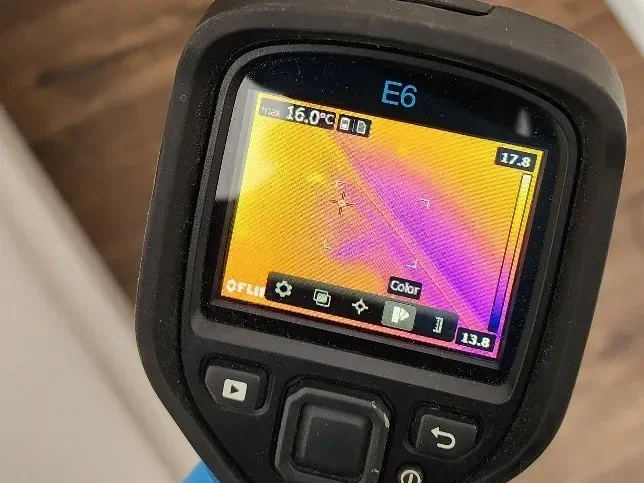
Thermal imaging helps identify temperature patterns linked to hot water pipework, heating leaks, damp areas and abnormal heat loss.
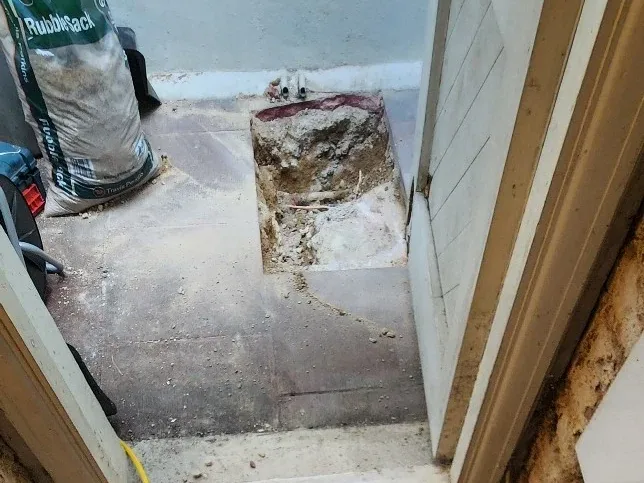
Tracer gas can be introduced into suitable pipework to help detect concealed leaks that are difficult to locate visually.
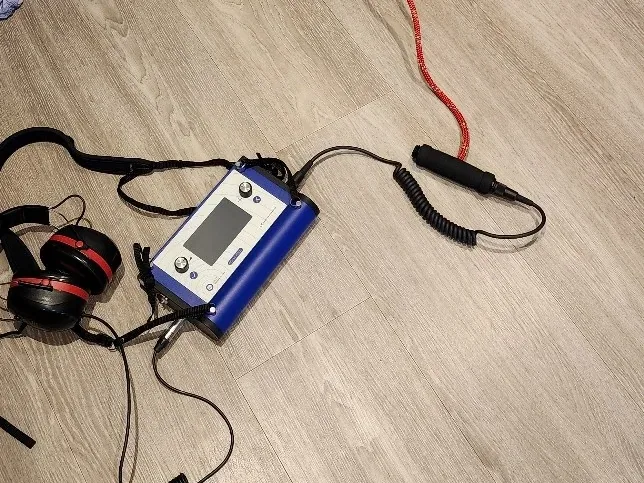
Acoustic equipment listens for leak noise in pipework, helping identify likely leak locations without opening up first.
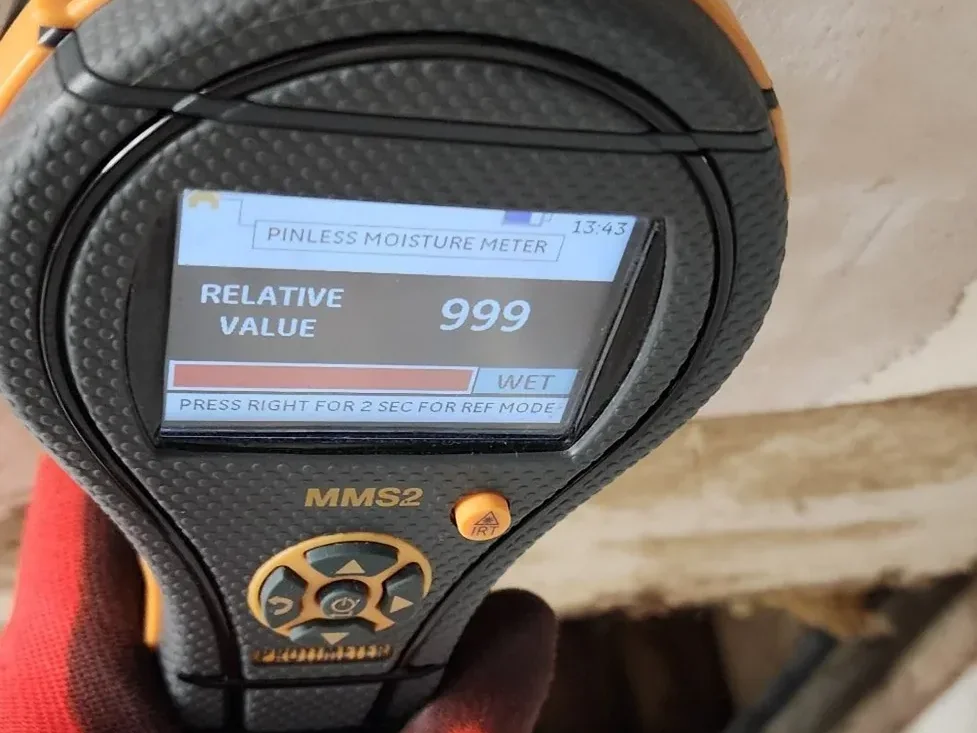
Moisture mapping helps show where water has travelled through materials, supporting diagnosis and repair planning.
Supporting Methods
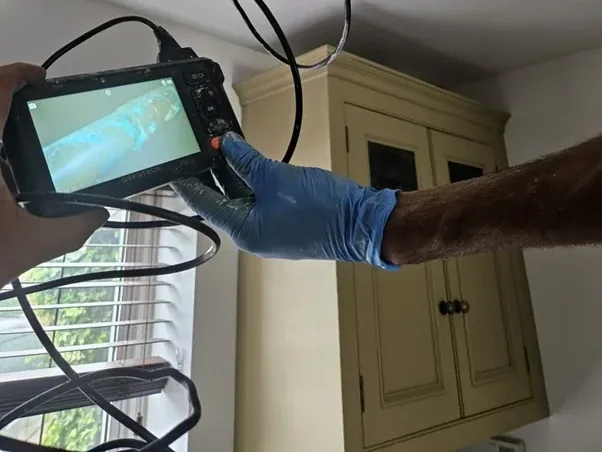
Small inspection cameras are used to visually check concealed voids, pipe routes and difficult-to-access areas before opening up.
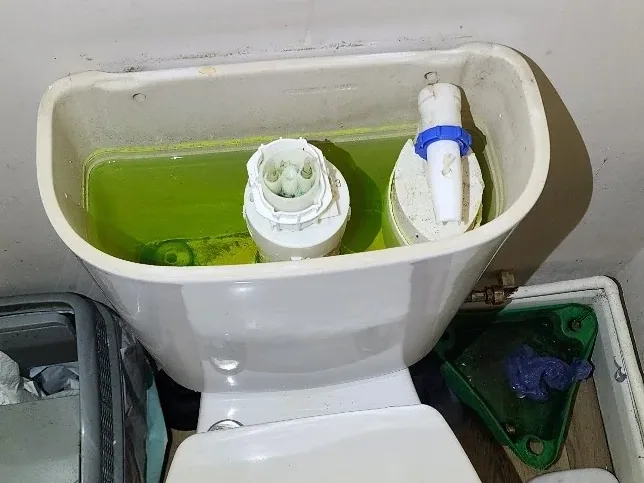
Coloured test dye can help confirm water paths, waste leaks, bathroom leaks and suspected escape routes.
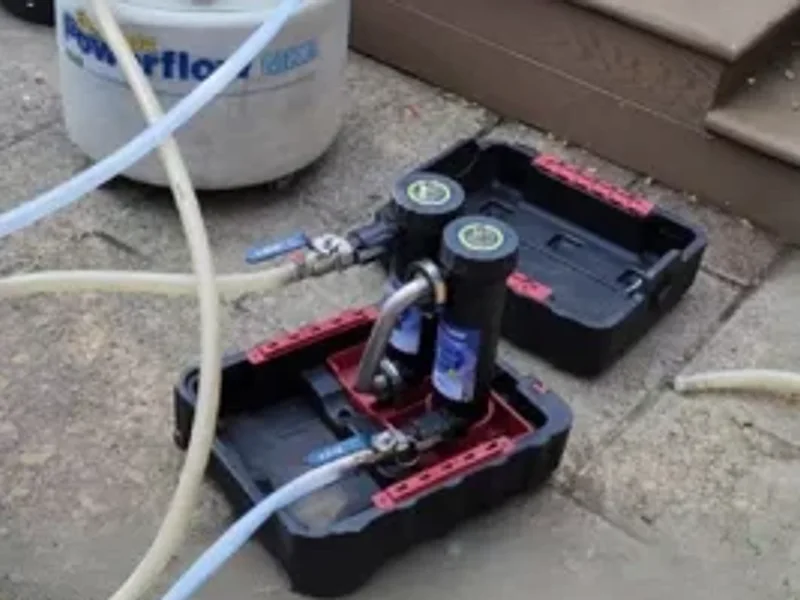
Controlled pressure testing helps identify whether sealed pipework or heating circuits are losing pressure.
Investigation Journey
Every property is different, but most leak detection surveys follow a clear process from symptoms through to evidence-led findings that can guide the next action.
The engineer starts with what you have noticed, such as pressure loss, damp patches, water meter movement or staining.
Construction type, pipe routes, access points, heating systems and likely leak locations are considered before testing begins.
The most suitable technologies are chosen based on the evidence, rather than applying the same method to every property.
Findings are cross-checked where appropriate so the likely leak source can be narrowed down with greater confidence.
Accurate findings help the appropriate repair work be carried out with confidence and reduce unnecessary access work.
Comparison
Hot water pipework, underfloor heating, heating leaks and temperature changes.
Concealed pipework, mains supply leaks and leaks that do not show clearly on thermal imaging.
Pressurised water pipes, external pipework and leak noise correlation.
Damp patches, water staining, affected materials and evidence of water movement.
Concealed voids, pipe routes and difficult-to-access areas that need visual inspection before opening up.
Waste leaks, bathroom leaks, water paths and suspected escape routes where flow needs confirmation.
Sealed pipework, heating circuits and systems where pressure loss needs to be confirmed.
Related Services
Leak tracing and access evidence for concealed pipework and insurance claim requirements.
Evidence-led leak reports prepared for insurer, loss assessor and claim requirements.
Specialist investigation for UFH pipework, pressure loss and damp floor symptoms.
Structured investigation for hidden leaks in pipework, floors, walls and ceilings.
Damp surveys and moisture mapping for water ingress and hidden leak symptoms.
Investigation for hidden waste pipe, soil pipe and foul water leak symptoms.
FAQs
Accuracy depends on the system, symptoms and property construction. The best result usually comes from combining methods rather than relying on one tool.
No. Thermal imaging is useful for heat patterns and some damp areas, but it may not identify cold water leaks, slow leaks or leaks hidden behind certain materials without other tests.
Tracer gas methods use a safe test gas mixture where the pipework and system conditions are suitable. The engineer will assess whether it is appropriate for the investigation.
Acoustic detection is most useful where leak noise can travel through pressurised pipework. Some materials, depths and building conditions may reduce effectiveness.
Moisture mapping helps show how water has moved through walls, floors or ceilings, which can support diagnosis, access planning and insurance evidence.
Get Expert Help
Tell us the symptoms, property type and systems affected so a specialist can advise the right investigation.
Phone: 0333 577 0194 WhatsApp: Message us Email: Use the contact form