
Mains water leaks
Acoustic detection can help narrow leak locations on pressurised mains water supplies.
Technology
Acoustic leak detection uses specialist listening equipment to identify sound patterns created by escaping water from pressurised pipework, underground services and concealed water systems.
It is especially useful for mains water leaks, underground pipework, external supply pipes and hidden leaks where visual evidence is limited.
Google Reviews ★★★★★ 5.0 Rating 70+ Reviews Read ReviewsAcoustic tools help identify leak noise from pressurised pipework and hidden services.
Useful for mains water leaks, external supply pipes and underground services.
Investigation is carried out before unnecessary excavation or access work is considered.
Acoustic results can support reports, photographs and repair planning.
Investigation method
Acoustic leak detection uses specialist listening equipment to identify sound created by escaping water from pressurised pipework. The equipment helps engineers listen for leak noise through floors, pipe routes, fittings and external ground surfaces.
Ground microphones or acoustic sensors can be used to narrow the likely location of hidden leaks, especially where pipework is concealed and visible evidence is limited.
Investigation principle
Escaping water can create sound in pressurised pipework. Acoustic equipment helps identify where that sound is strongest so access or repair work can be better targeted.
Use cases
Acoustic detection can help narrow leak locations on pressurised mains water supplies.
Listening equipment can identify leak noise from concealed pipework below external surfaces.
Supply pipe routes can be investigated before excavation is planned.
Pressurised pipework in commercial properties can be assessed with minimal disruption.
Acoustic testing can support investigation where pipework is hidden below solid floors.
Acoustic evidence can help inform access recommendations for concealed leaks.
Advantages
Acoustic detection helps assess leak locations before opening up or excavation.
The method is well suited to external supply pipes, hardstanding and underground services.
Leak noise can help narrow the likely position of hidden underground water leaks.
Targeted findings can help avoid unnecessary digging across large areas.
Acoustic investigation is most useful where escaping water creates detectable sound.
Results may contribute to written findings, photographs and trace and access evidence.
Method limits
Acoustic detection is effective on many pressurised leaks, but results can be affected by pipe material, depth, water pressure, background noise and surface conditions.
Ground conditions, pipe routes and surrounding building noise can all influence readings. For that reason, acoustic detection may be combined with tracer gas, thermal imaging or moisture mapping.
Real investigation examples
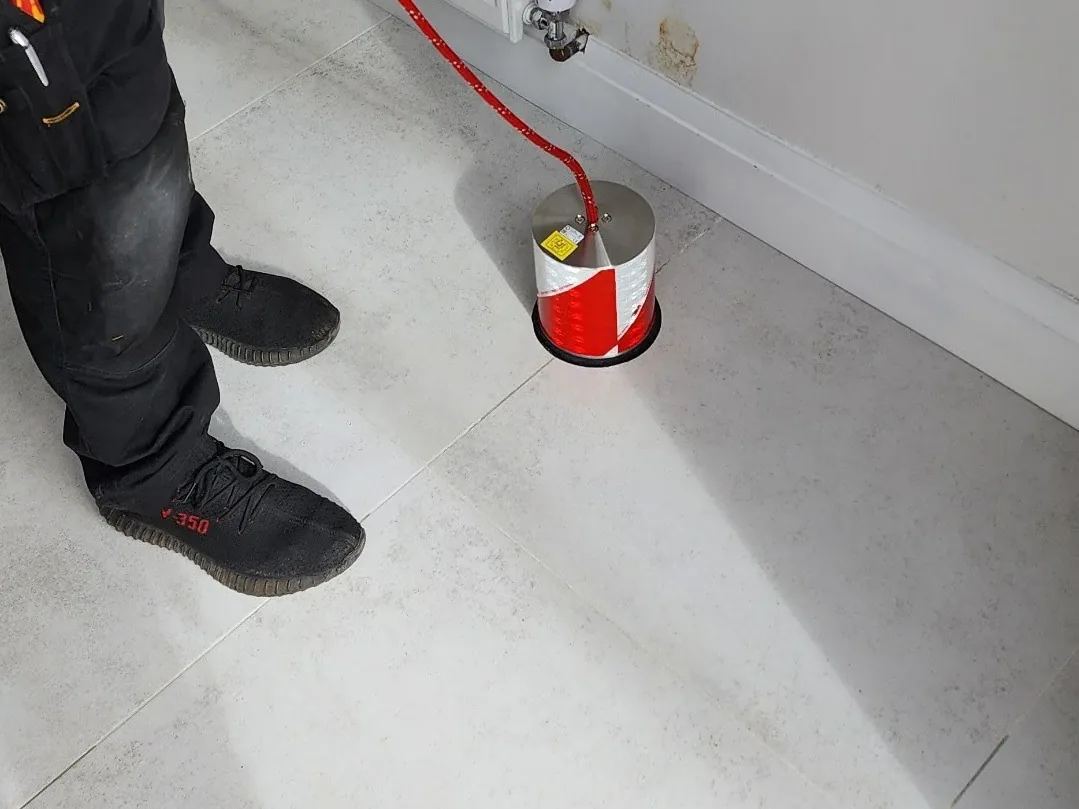
Specialist listening equipment helps identify sound patterns from escaping water.
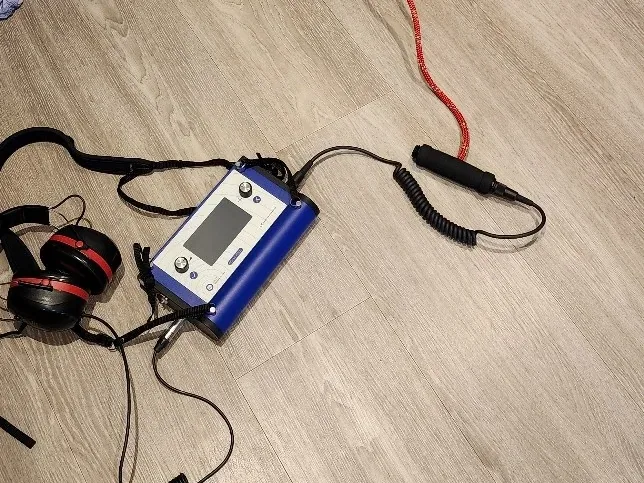
Acoustic equipment can be used internally or externally where pipework is pressurised.
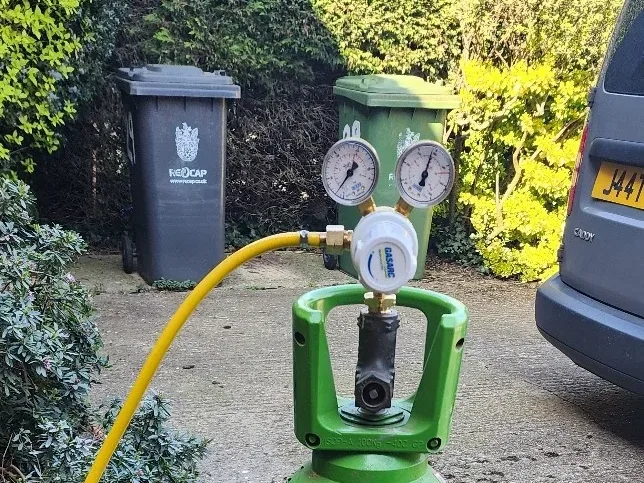
Acoustic detection can support investigations where pipework runs below concrete or hard floors.
Related investigations
Published investigations where acoustic detection was used as part of the leak location process.
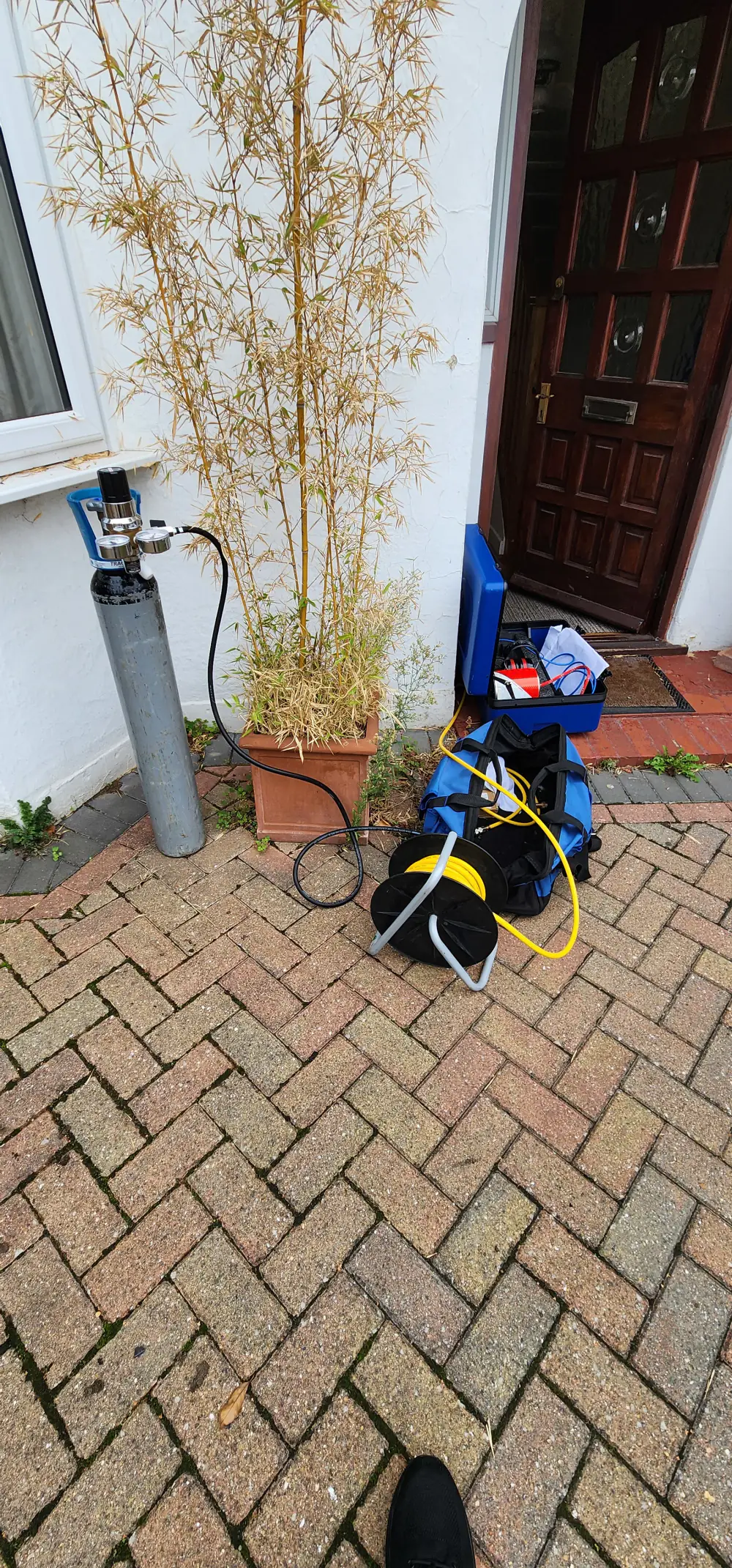
Mains Water Leak
A large bill inconsistent with reported low usage led to testing that confirmed a leak near the water meter for repair planning.
View investigation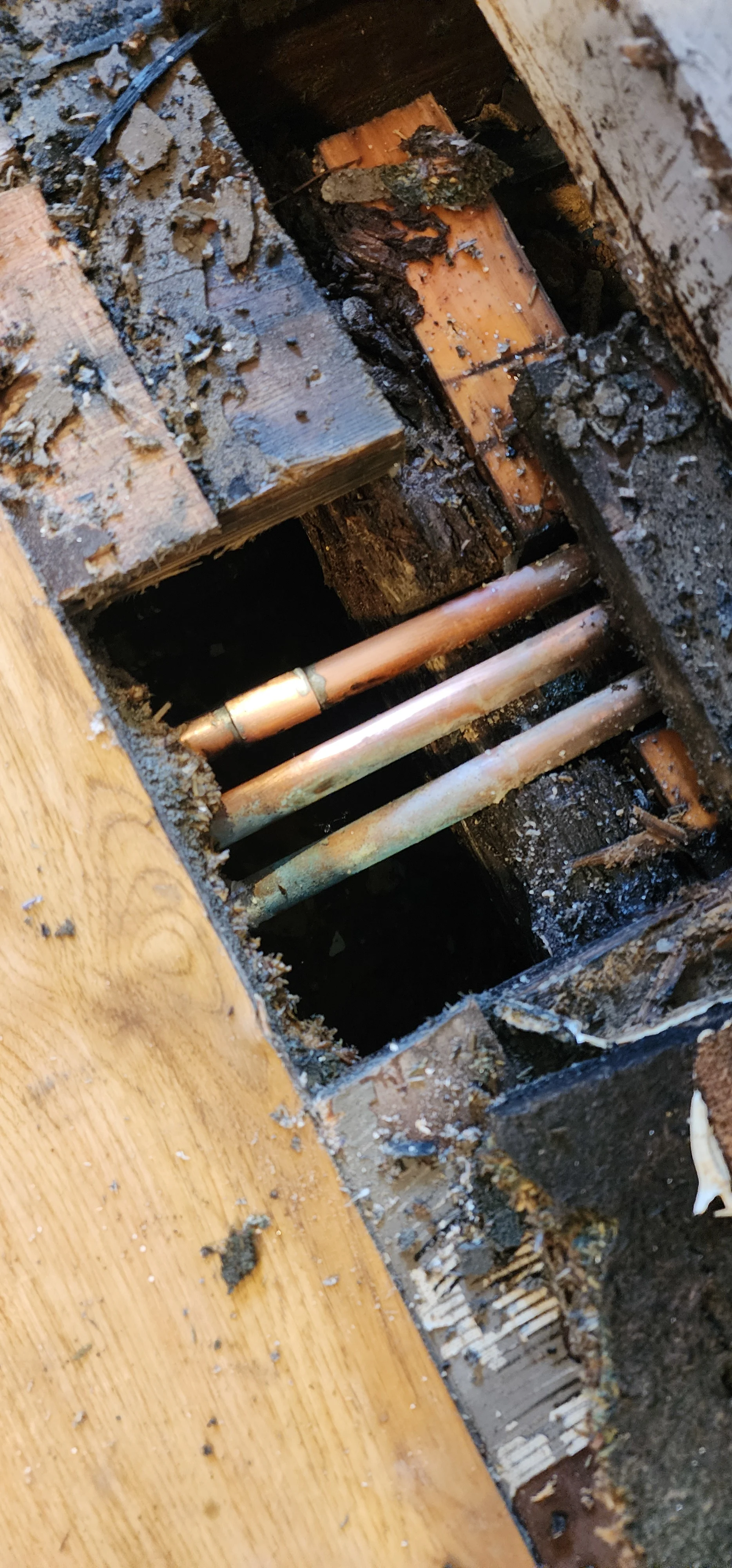
Mains Water Leak
A sound of escaping water between a kitchen and utility room led to a small pinhole leak on the kitchen mains pipe, which was repaired.
View investigation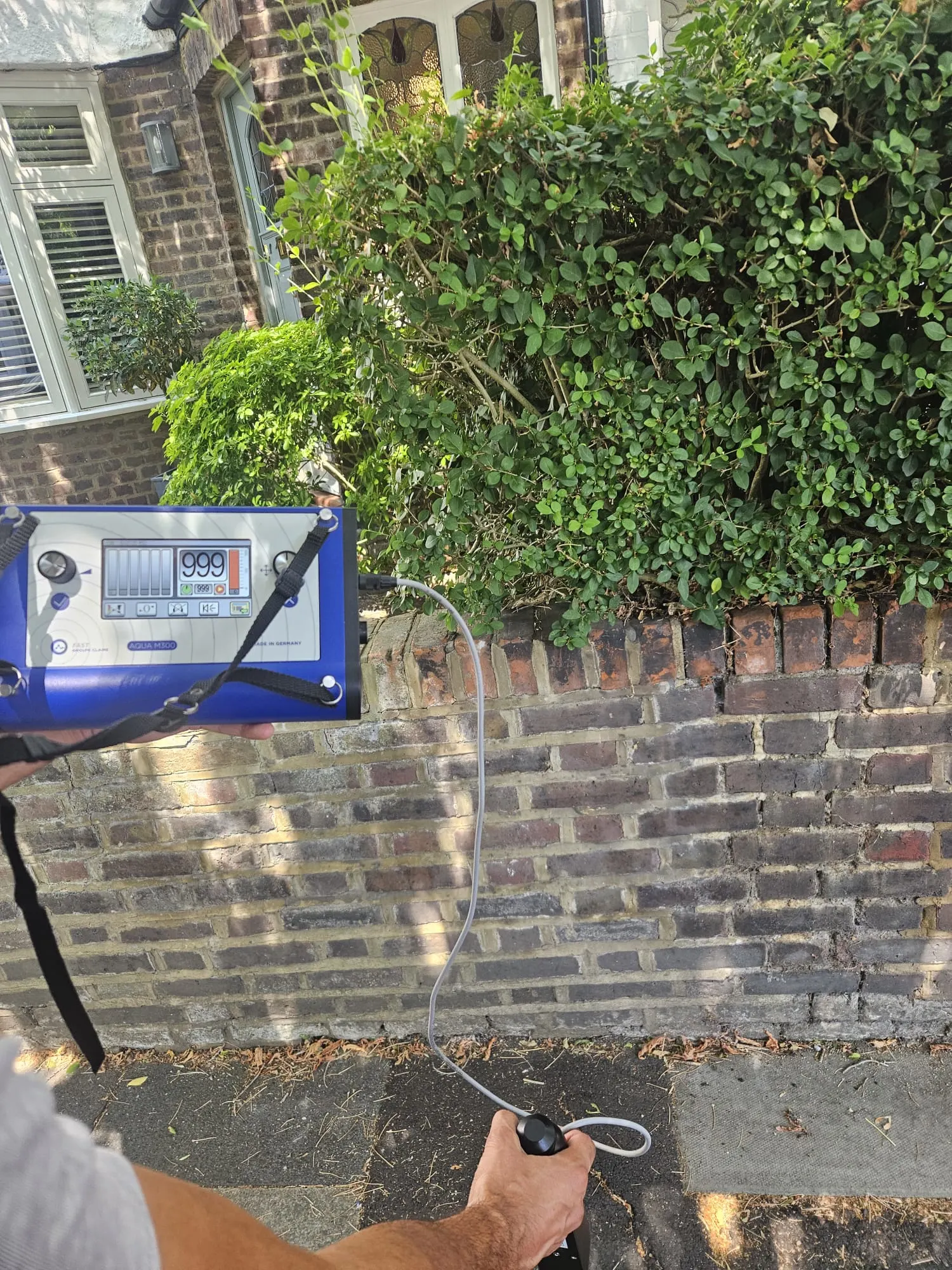
Mains Water Leak
Excessive water usage at a rental property was traced to a mains water leak near the kerb-side meter end.
View investigationRelated services
External supply pipe and underground water leak detection for running meters and high bills.
Specialist hidden water leak detection using non-destructive investigation methods.
Leak investigation for commercial buildings, facilities teams and managing agents.
Leak tracing and access evidence for concealed leaks and insurance claim requirements.
Damp surveys and moisture mapping for water ingress and hidden leak symptoms.
Investigation for hidden waste pipe, soil pipe and foul water leak symptoms.
FAQs
Acoustic leak detection uses specialist listening equipment to identify sound created by escaping water from pressurised pipework.
Yes. Acoustic detection can help locate underground leaks where water escaping from pressurised pipework creates detectable noise.
No. Acoustic testing is non-destructive and is used to narrow likely leak locations before excavation or access work.
No. Results depend on pipe material, pipe depth, pressure, background noise and surface conditions. Other methods may also be required.
Yes. Acoustic detection is often used alongside tracer gas, thermal imaging or moisture mapping to build a clearer investigation picture.
Request a survey
Speak to a specialist about acoustic water leak detection, underground pipework or hidden pressurised pipe leaks.