Specialist Engineers
Focused investigation for water supply pipe leaks and external water leaks.
Mains Water Leak Detection
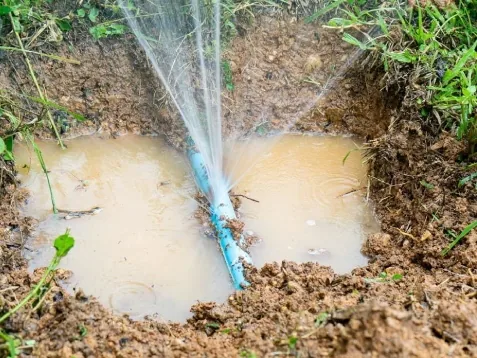
Locate hidden underground water leaks, water supply pipe failures and mains water leaks using thermal imaging, tracer gas and non-destructive investigation methods.
We investigate high water bills with no visible leak, water meters constantly running, external supply pipe leaks and hidden water loss between the meter and property.
Google Reviews ★★★★★ 5.0 Rating 70+ Reviews Read ReviewsFocused investigation for water supply pipe leaks and external water leaks.
Tracer gas, acoustic detection and thermal imaging used before excavation.
London, Surrey, Berkshire, Buckinghamshire, Oxfordshire, Hampshire and Sussex.
Written findings and photographs can be provided for claim support.
What It Means
A mains water leak is water loss from the supply pipe serving a property. This can include the pipework between the meter and the building, external pipe runs, underground pipework and hidden connections.
Supply pipe responsibility can vary depending on the location of the leak, meter position and property boundary. The first priority is identifying where water is escaping and whether the issue is internal or external before excavation or access work begins.
Because these leaks are often underground, water loss can remain unnoticed until bills rise, the meter keeps running or damp ground appears outside. Our water main leak detection services focus on below-ground supply routes rather than environmental groundwater. For broader water leak detection across internal, mains, heating and commercial systems, see our main service overview. If the issue appears to be inside the property, our plumbing leak detection service may be more appropriate.
Supply Pipe Routes
Mains water leaks are not always visible at the surface. A structured investigation helps separate supply pipe leaks from internal plumbing, heating system leaks and drainage-related water damage.
The private supply pipe connects the property to the water network. Responsibility often depends on the meter, boundary and supply arrangement, so the exact position should be confirmed before repair is arranged.
The public main forms part of the wider water-company network. Suspected leaks on that network should be discussed with the supplier, which can confirm its responsibility boundary.
Flats, older properties, portfolios and managed sites can share supply routes. Landlords, managing agents and the water supplier may need to confirm how the pipework is arranged.
A running meter can still be caused by internal pipework, so the investigation considers both the external supply route and the property before responsibility is assigned. For business premises, managed blocks or property portfolios, our commercial leak detection service provides the appropriate property and stakeholder context.
Symptoms
A high water bill leak can indicate hidden water loss from supply pipework between the meter and property.
Learn moreA meter that continues moving when taps are off often points to an active mains water leak.
Learn moreUnexpected wet patches on drives, paths, lawns or external walls can indicate an underground water leak.
Lower water pressure may be linked to a supply pipe failure or leak on the incoming mains route.
Ongoing water usage without visible internal leaks may require mains water leak investigation.
Learn moreSoft ground, pooling water or saturated soil can indicate a hidden water supply leak below the surface.
Learn moreIf the meter is accessible, our water meter leak-test guide explains a safe preliminary check. Meter movement can indicate water loss, but it does not identify whether the source is internal, on a private supply pipe or on the water-company side.
Process
We review water bills, meter behaviour, property layout and the likely supply pipe route.
Tracer gas, acoustic detection and other non-destructive methods are used where appropriate.
Findings are correlated to identify the likely underground water leak location.
You receive clear findings to support excavation planning, repair or insurance requirements.
Why It Matters
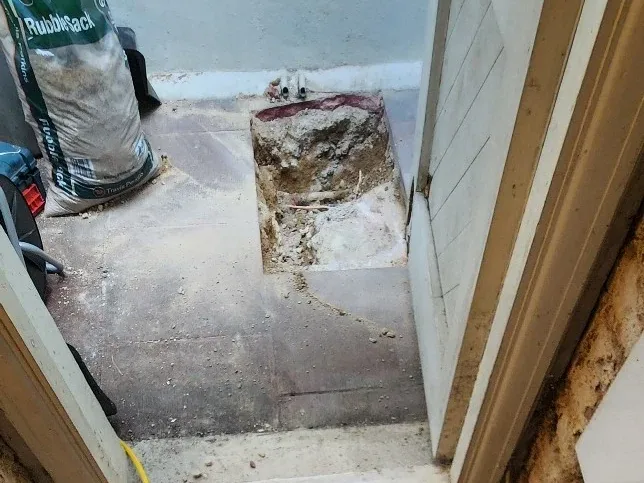
Leak detection narrows the likely leak position before contractors open drives, paths, lawns or floors.
A targeted investigation helps repair teams plan access around evidence rather than guesswork.
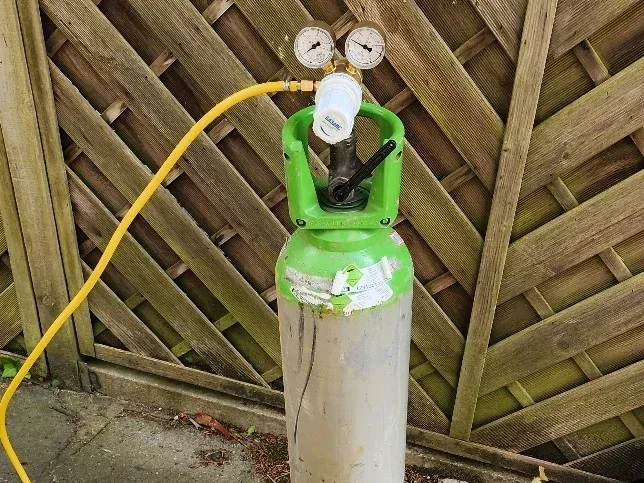
Where pipework can be isolated safely, tracer gas can help locate hidden supply pipe leaks below ground.
Acoustic listening can support investigations on pressurised mains and external pipe routes.
Findings can support repair planning, landlord decisions, insurer discussions and water company conversations.
Confirming the likely leak area helps reduce unnecessary damage to hardstanding, landscaping or internal finishes.
Technology
Mains water leak detection commonly combines tracer gas leak detection, acoustic detection and route assessment. Where moisture has entered the building, moisture mapping can help document affected areas.
Supporting Methods
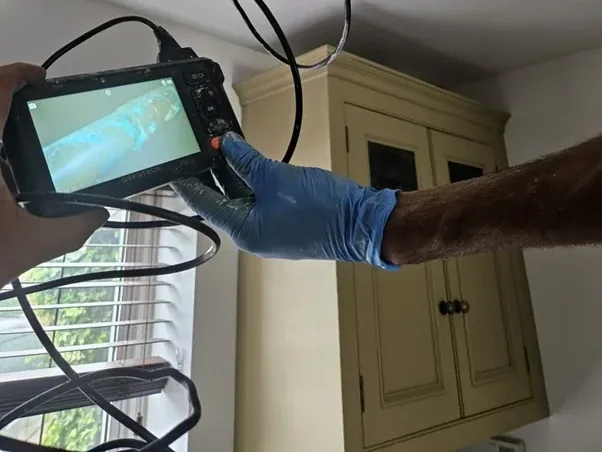
Small inspection cameras are used to visually check concealed voids, pipe routes and difficult-to-access areas before opening up.
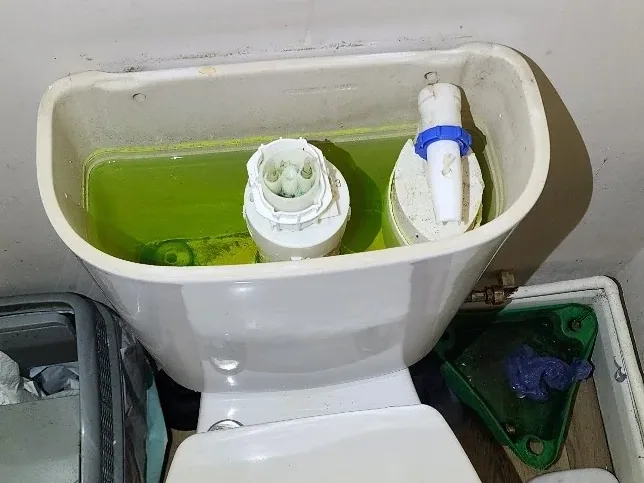
Coloured test dye can help confirm water paths, waste leaks, bathroom leaks and suspected escape routes.
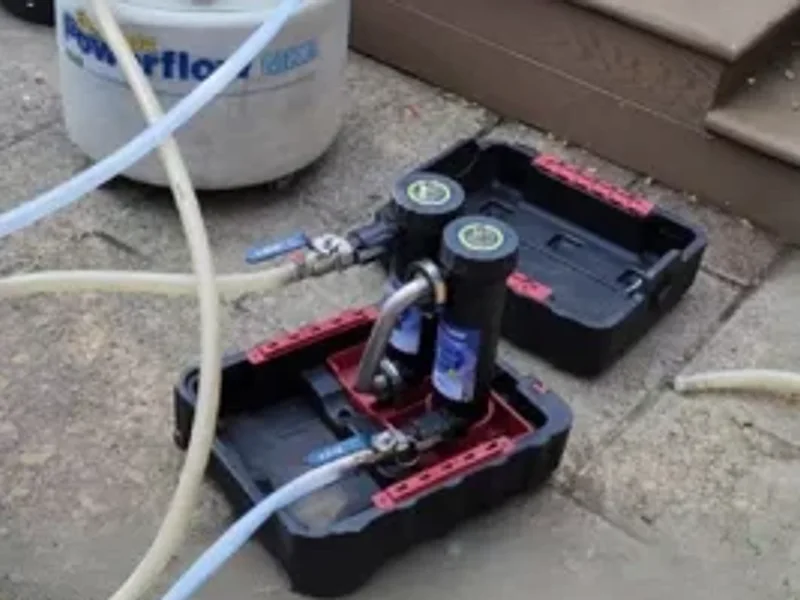
Controlled pressure testing helps identify whether sealed pipework or heating circuits are losing pressure.
Reporting
A written report can help homeowners, landlords, managing agents, contractors and insurers understand the evidence before repair work is planned.
We explain the likely leak position, the evidence gathered and the access route recommended by the investigation.
The next repair route depends on whether the affected pipework is private, shared or within the water supplier's responsibility. The property owner, managing agent or supplier can then arrange the appropriate access and repair.
Permanent repair and reinstatement are separate from leak location unless they are included in the agreed scope of work.
If the investigation forms part of a claim, see our insurance leak investigation and trace and access services.
Recent Work
Real project examples help show the types of high usage, running meter and supply pipe issues we investigate.
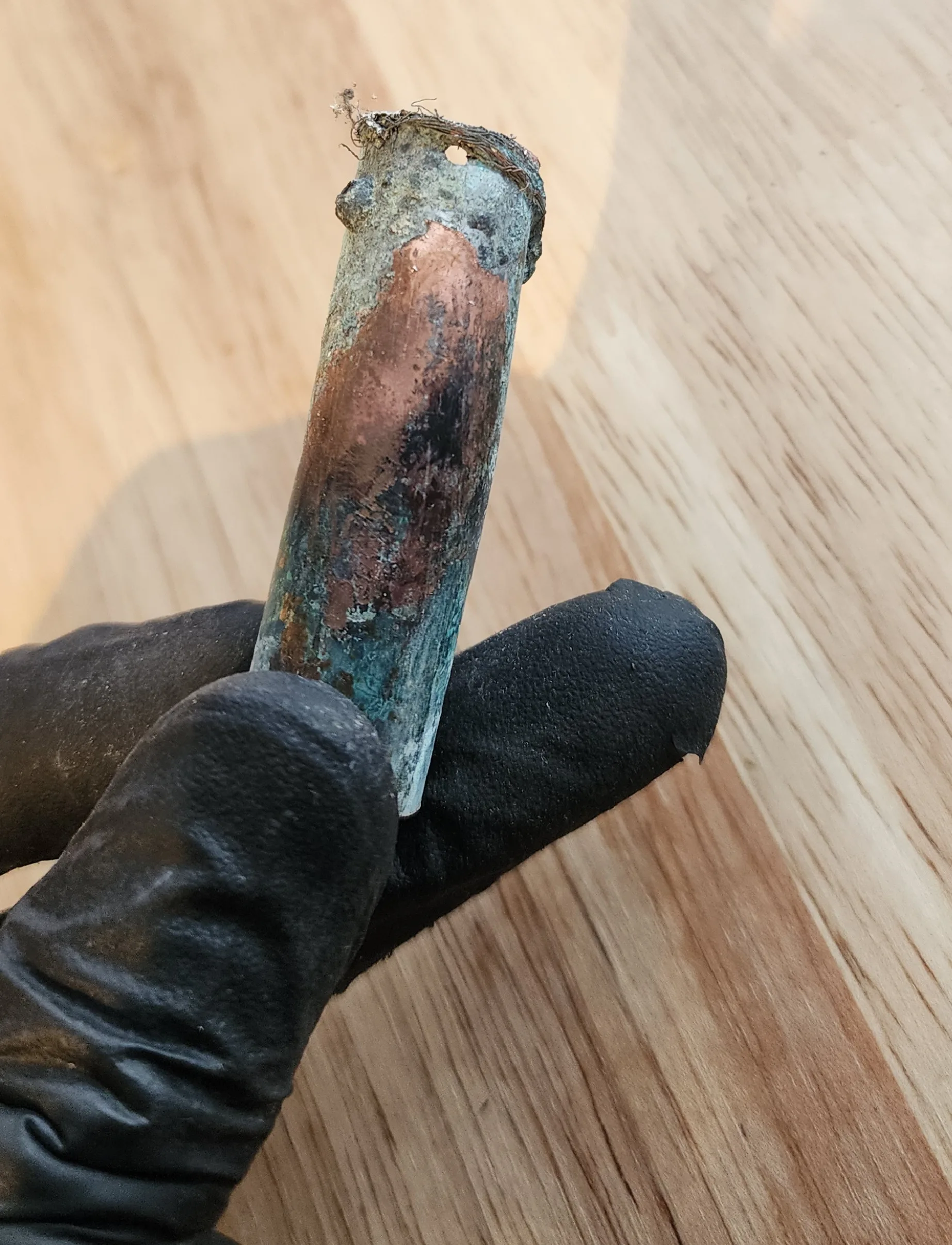
Didcot, Oxfordshire
Mains Water LeakA bowing kitchen subfloor was traced to a pinhole leak in a concealed copper mains water pipe, which was located, repaired and documented.
View case study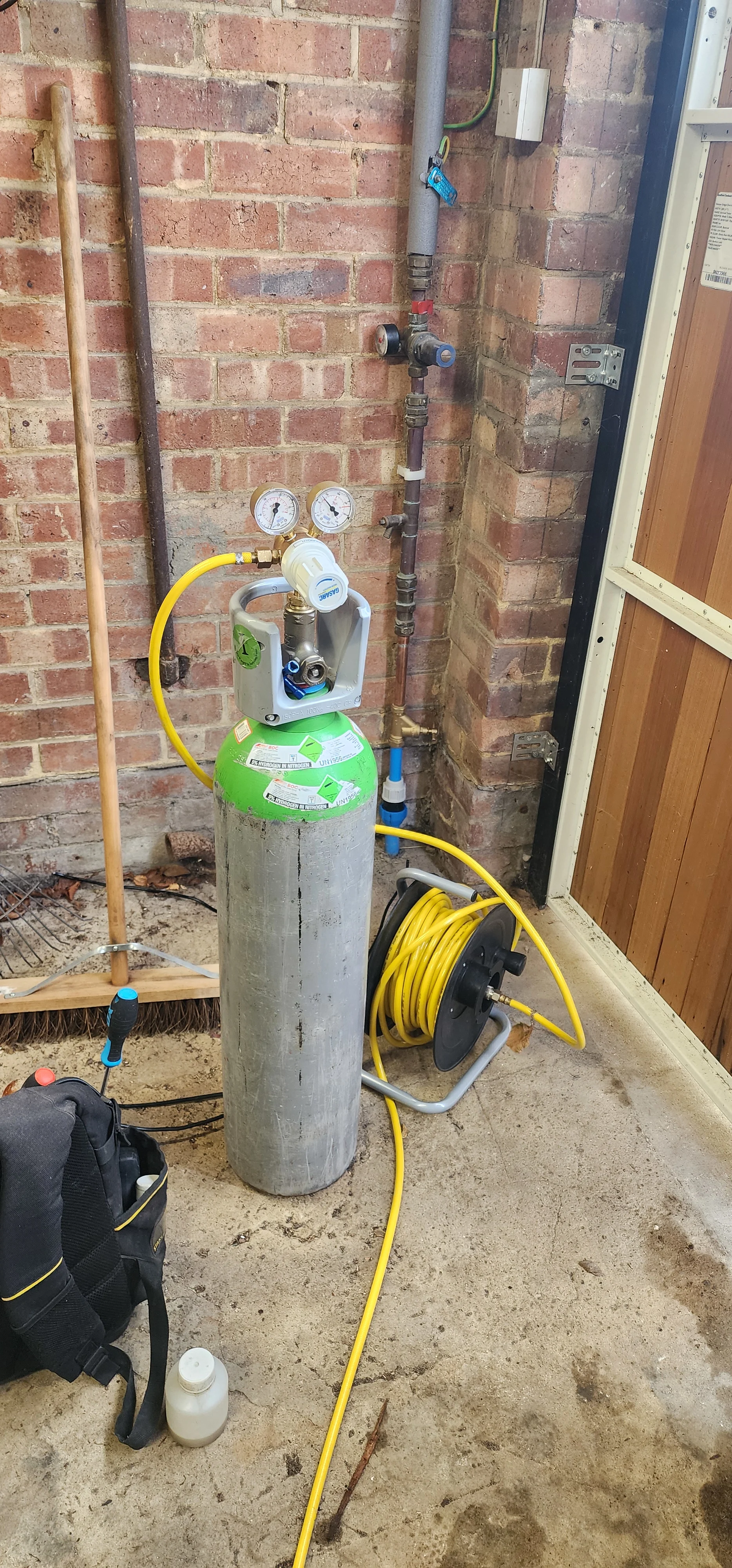
Kingston, London
Mains Water LeakRushing water heard when no services were in use was traced to a hole in a lead supply pipe and repaired in one visit.
View case study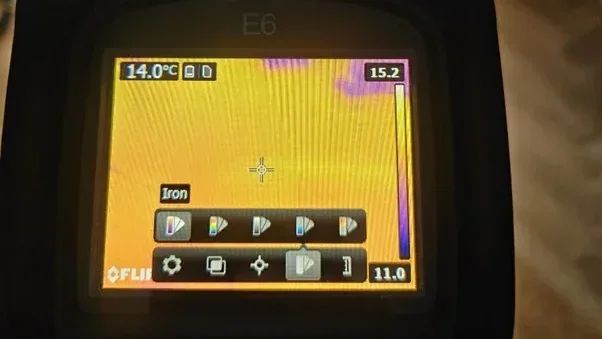
South Woodford, London
Mains Water LeakHigh water consumption traced to rodent-damaged plastic supply pipework and repaired in one day.
View case studyRelated Services
Investigation for hidden internal plumbing leaks within walls, floors and ceilings.
Leak tracing and access evidence for concealed pipework and insurance claim requirements.
Evidence-led leak reports prepared for insurer, loss assessor and claim requirements.
Heating system leak detection for boiler pressure loss and hidden heating pipe leaks.
Damp surveys and moisture mapping for water ingress and hidden leak symptoms.
Investigation for hidden waste pipe, soil pipe and foul water leak symptoms.
Coverage
Mains water leak detection surveys are available across London, Surrey, Berkshire, Buckinghamshire, Oxfordshire, Hampshire and Sussex for homeowners, landlords, businesses and managing agents.
FAQs
Yes. A mains water leak or hidden water supply pipe leak can cause a sudden increase in water usage, especially if the leak is between the meter and property.
We use non-destructive leak detection methods such as tracer gas, acoustic detection and route assessment to narrow the likely underground water leak location before excavation.
A water meter that keeps running when all outlets are off can indicate an active leak on the supply pipe or internal pipework. It should be investigated promptly.
No. The investigation starts with non-destructive methods to locate the likely leak position before excavation or access work is recommended.
Yes. Written findings and photographs can support insurance, trace and access or repair planning requirements. Your insurer decides what is covered.
Get Expert Help
Speak to a specialist about a high water bill leak, running meter, underground water leak or suspected external supply pipe failure.
Phone: 0333 577 0194 WhatsApp: Message us Email: Use the contact form