
A water bill looks unusually high
A meter check can help you see whether water is still being recorded after normal use has stopped, before assuming the bill is wrong or a pipe has failed.
Leak Detection Guide
A simple water meter leak test can help you check whether water is still passing through the meter when the property should not be using water.
This guide explains how to prepare for the check, what different meter behaviours may mean, what they do not prove, and when a running meter should be investigated further.
Guide
A water meter leak test is a basic check that compares your meter movement with water use inside the property. If the meter continues to move when no water should be running, it may suggest a leak on the supply pipe, internal cold water pipework, an appliance feed, a toilet cistern or another connected outlet.
The test does not locate a leak and it does not prove that pipework has failed. It helps confirm whether there is unexplained water movement that should be interpreted alongside outlets, stop taps, shared supplies and the property layout.
For homeowners, landlords, managing agents and commercial property owners, the check creates useful evidence before arranging mains water leak detection, speaking to a water supplier or asking a contractor to inspect a visible fault.
Preparation
The test is only useful if the property is quiet and normal water use has been ruled out. Prepare the check before interpreting any movement.
Before You Start
Use this guide when you need a safe, non-invasive first check. It is most useful when you can control water use long enough to observe the meter clearly.
A meter check can help you see whether water is still being recorded after normal use has stopped, before assuming the bill is wrong or a pipe has failed.
If the dial, flow indicator or numbers continue to change, this guide helps you repeat the observation in a more controlled way.
Hidden water loss can be difficult to confirm from appearance alone. A meter check gives you one useful piece of evidence, not a complete diagnosis.
Landlords and managing agents can use photographs and timed readings to record what is happening before deciding who needs to attend.
Step By Step
Locate the meter, which may be outside in a boundary box, inside a cupboard, in a plant area or within a shared meter chamber. If you are unsure which meter serves the property, do not rely on the result until the meter has been confirmed.
Make sure taps, showers, washing machines, dishwashers, outside taps, irrigation systems, water softeners and filling loops are not in use. Check toilets are not quietly filling, overflowing or refilling after a recent flush.
Take a photo of the meter or write down the reading before the timed check. If the meter has a small dial or flow indicator, note whether movement is steady, pulsing or intermittent.
Leave the property water unused for a short period. For many domestic checks, 15 to 30 minutes is enough to see whether obvious unexplained movement continues. For slow usage concerns, repeat the check later or compare readings over a longer quiet period.
Compare the reading with your first photo or note. If the numbers, dial or flow indicator moved while nothing was being used, record how much movement occurred and whether the pattern was steady, pulsing or occasional.
If there is an internal stop tap and it is safe to use, switching it off can help indicate whether movement may relate to internal pipework or the external supply route. Do not force stiff valves, shared valves or equipment you are unsure about.
Interpretation
A meter test is useful because it creates an observation you can act on. The result should be interpreted alongside the property type, meter arrangement, isolation points and any obvious water-using outlets.
This means there was no clear unexplained water movement during that test period. It does not rule out intermittent use or a very slow issue, so repeat the check if a high bill or supplier alert remains unexplained.
This suggests water is still being drawn somewhere. It may be caused by a hidden leak, but toilets, appliances, outside taps, softeners and shared feeds should be ruled out before reaching that conclusion.
This can suggest the movement relates to pipework or an outlet after the internal stop tap. A visible or accessible fault may be suitable for a plumber, while concealed internal pipework may need leak detection.
This can suggest the external supply route, shared pipework or meter arrangement needs checking. Confirm the meter serves the property before arranging further investigation or excavation.
Decision Guide
Use the result as a guide to the next sensible check. Meter movement is evidence of water passing through the meter, not proof of the exact leak location.
There was no obvious unexplained water movement during the test period.
Next step
Repeat the check later if the bill remains unexplained.
The movement may relate to pipework or an outlet after the internal stop tap.
The issue may be before the internal stop tap, on an external supply route or within a shared arrangement.
Avoid Mistakes
A toilet cistern, softener, boiler filling loop, garden tap, irrigation system or appliance can cause meter movement that looks like a leak. Rule out controlled water use before assuming a pipe has failed.
Very small leaks may not show clearly in a few minutes. If the concern is a high bill rather than rapid meter movement, repeat the check when the property is quiet.
A meter test can indicate water movement, but it cannot identify the route, depth, responsibility or exact location of a concealed leak. Further investigation is needed when the source is not visible.
Do not force a seized stop tap, heavy cover or shared meter equipment. If access is unsafe or uncertain, ask the water supplier or a suitable professional for help.
Some flats, commercial units, converted buildings and landlord-managed properties have shared or confusing meter arrangements. Confirm the meter serves the correct property before relying on the result.
When To Get Help
If the meter continues to move after reasonable checks, specialist leak detection can investigate whether the issue is on the supply pipe, concealed internal pipework or another connected route.
A sudden or unexplained bill increase can indicate a hidden water leak even when there is no visible damage inside the property.
External supply pipe leaks can sit beneath driveways, paths, gardens or concrete. Non-destructive investigation helps narrow the area before excavation.
Photographs, meter observations and investigation findings can help landlords, managing agents, insurers, contractors and water suppliers understand what has been checked and what should happen next.
If the meter only moves occasionally, the property has shared pipework or several outlets could be responsible, a structured investigation can help separate normal use from a hidden leak.
Next Step
The right next step depends on what you observed. Treat the meter test as evidence, not a final diagnosis.
If the meter stays still, keep the reading and repeat the check if the concern continues. A high bill may still need reviewing against occupancy, appliances, previous readings and supplier records.
If a toilet, tap, appliance or softener explains the movement, arrange the appropriate repair or adjustment rather than assuming there is a concealed pipe leak.
If the meter continues to move after visible causes have been ruled out, the supply pipe, shared supply route or concealed internal pipework may need specialist investigation.
If the property has a shared meter, multiple units or confusing pipe routes, confirm the meter serves the correct property before treating the movement as your responsibility.
Useful Next Steps
Investigation for running meters, high water bills and suspected leaks on underground supply pipework.
Non-destructive investigation for hidden leaks inside properties, beneath floors and behind finishes.
Evidence-led leak tracing to support access decisions and insurance-led escape of water claims.
Related Investigations
Published investigations that involve running meters, high water usage or mains water leak symptoms.
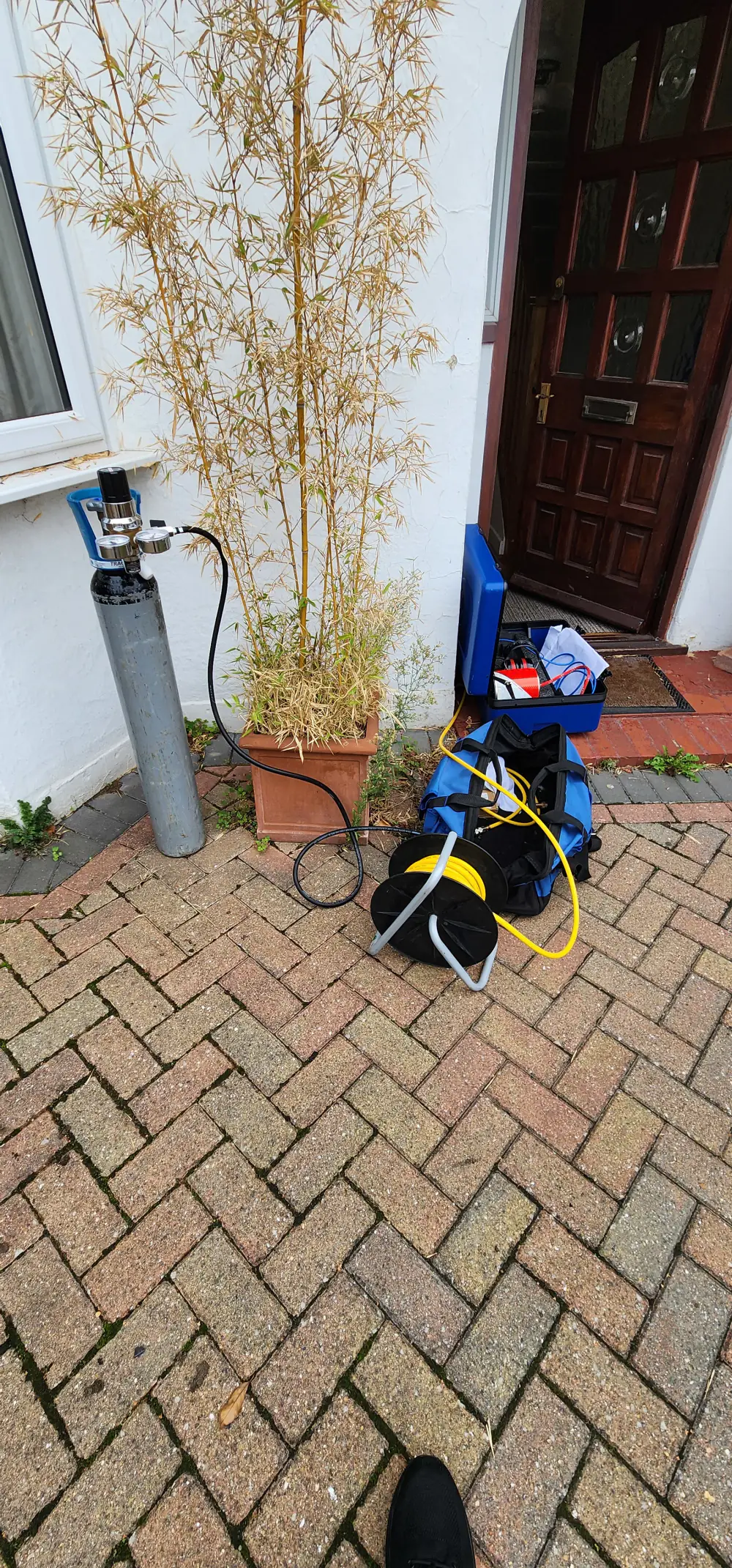
Mains Water Leak
A large bill inconsistent with reported low usage led to testing that confirmed a leak near the water meter for repair planning.
View investigation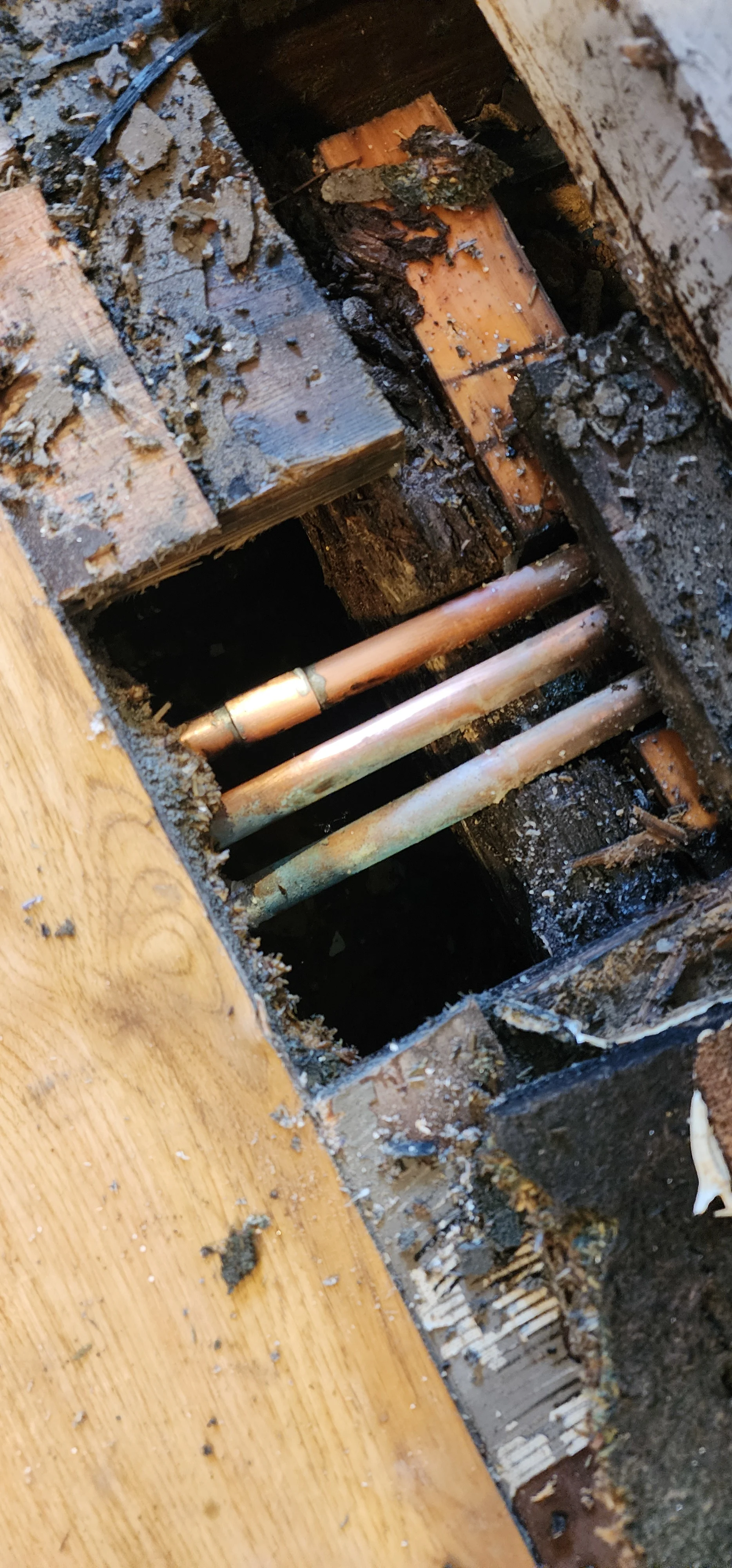
Mains Water Leak
A sound of escaping water between a kitchen and utility room led to a small pinhole leak on the kitchen mains pipe, which was repaired.
View investigation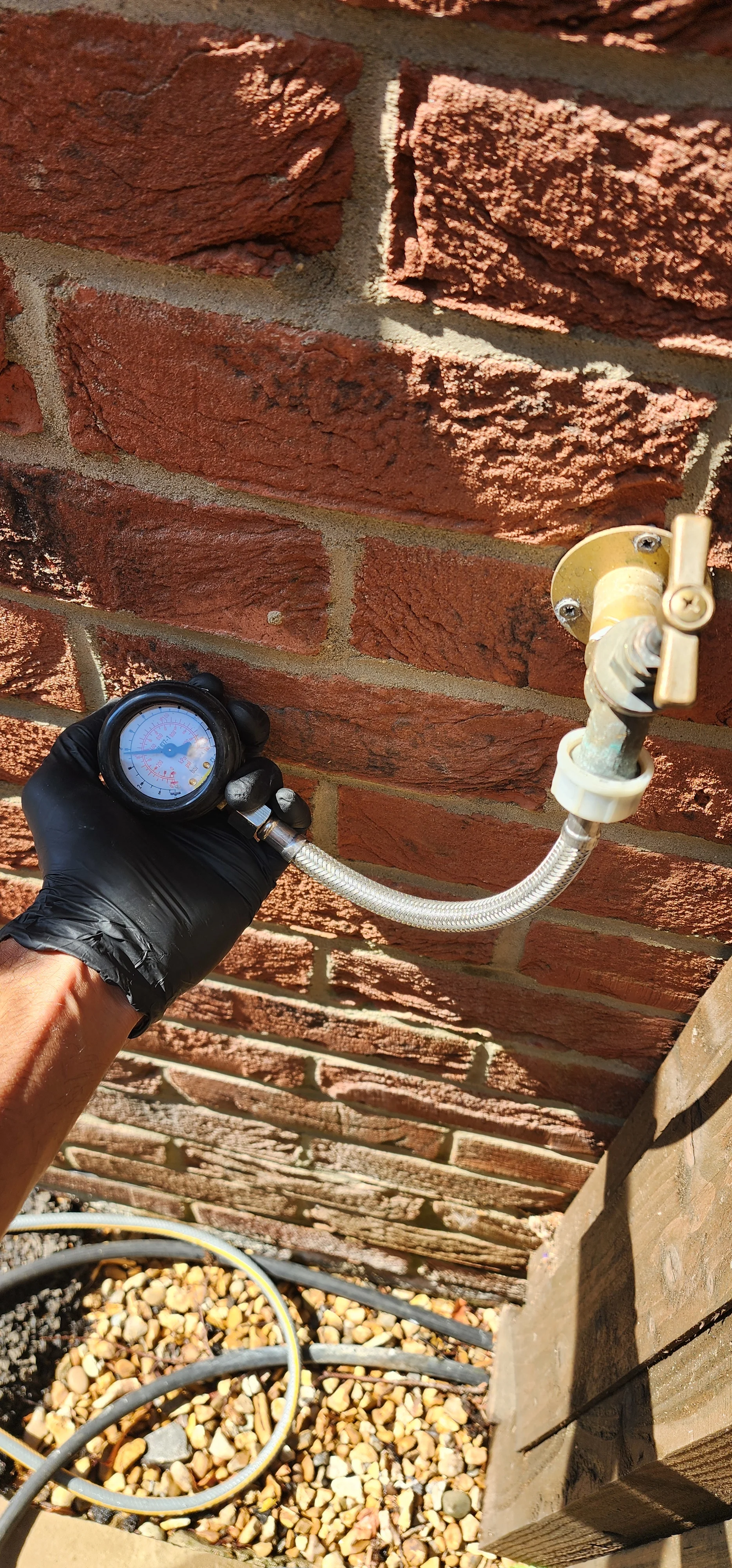
Mains Water Leak Investigation
An unexpectedly high water bill prompted controlled mains testing; no leak was found, and the findings were documented for water provider review.
View investigationFAQs
If the meter continues to move when all taps, toilets, appliances and outside outlets are off, there may be unexplained water movement. It could be a leak, but controlled water use, shared supplies and faulty outlets should be ruled out first.
For an obvious leak, 15 to 30 minutes may show movement. For slower usage concerns, repeat the check when the property is quiet and compare readings carefully.
No. A meter test can indicate possible water loss, but it cannot show the exact leak position or pipe route. Tracer gas, acoustic detection, pressure testing and moisture checks may be needed to locate the source.
Intermittent movement can be caused by normal use, a toilet or appliance refilling, shared supply behaviour, pressure changes or a slower leak. Repeat the test when the property is quiet and note the pattern before drawing conclusions.
Only if it is safe and easy to operate. If the meter stops moving after the internal stop tap is closed, the issue may be inside the property. If it continues, the external supply route may need investigation.
Arrange specialist help if the meter continues to move with water off, the bill has risen sharply, the supply pipe is underground or you need evidence before access, repair or insurance discussions.
Speak To A Specialist
Tell us what the meter is doing, your postcode and whether you have already checked taps, toilets, appliances and outside outlets. We can advise whether mains water leak detection is the right next step.
Phone: 0333 577 0194 WhatsApp: Message us Email: Use the contact form