
Boiler pressure loss
Controlled checks can help confirm whether a sealed heating circuit is losing pressure through hidden pipework.
Technology
Pressure testing helps confirm whether suitable pipework, heating circuits or water systems are losing pressure during a hidden leak investigation.
It is most useful when pressure loss points to a sealed system fault, but the visible signs do not yet show where the leak is located.
Google Reviews ★★★★★ 5.0 Rating 70+ Reviews Read ReviewsPipework or circuits can be tested under controlled conditions to assess pressure loss.
Useful for central heating, underfloor heating, mains water and concealed pipework investigations.
Pressure readings help confirm whether a system is losing pressure before access work is planned.
Pressure testing is often combined with tracer gas, thermal imaging, acoustic detection or moisture mapping.
Investigation method
Pressure testing uses controlled test equipment to check whether suitable pipework or a sealed system is losing pressure. The method does not automatically show the exact leak position, but it helps confirm whether further leak detection is justified.
Engineers may isolate parts of a system, monitor pressure readings and use the results to choose the next method, such as tracer gas, acoustic detection, thermal imaging or moisture mapping.
Investigation principle
If pressure drops under controlled testing, the evidence can support a more targeted investigation into the affected circuit, pipe route or water supply.
Use cases
Controlled checks can help confirm whether a sealed heating circuit is losing pressure through hidden pipework.
Heating circuits can be assessed where repeated top-ups, pressure drops or system faults suggest water loss.
Underfloor heating loops and manifolds may require pressure testing before further leak detection methods are used.
Suitable water supply pipework can be tested to help confirm whether a hidden leak is present.
Pressure testing can support investigations where pipework is concealed below screed, concrete or hard floors.
Pressure readings can support written findings and help justify targeted access recommendations.
Advantages
Testing can help establish whether pipework is losing pressure before opening up finishes or floors.
Results help engineers decide whether tracer gas, acoustic detection, thermal imaging or moisture mapping is appropriate.
Central heating circuits, underfloor heating loops and suitable supply pipework can be assessed systematically.
Confirmed pressure loss helps avoid treating unrelated damp, heating or water symptoms as the primary cause.
Pressure readings can form part of the evidence record for property owners, landlords or insurers.
Pressure checks can support confirmation before and after targeted repair planning where conditions allow.
Method limits
Pressure testing is not suitable for every system. The pipework must usually be accessible enough to isolate, safe to test and appropriate for controlled pressure checks.
A pressure drop confirms that further investigation is needed, but it may not identify the precise leak location by itself. System condition, isolation points, pipework material and safe test pressure all affect how the method is used.
Real investigation examples
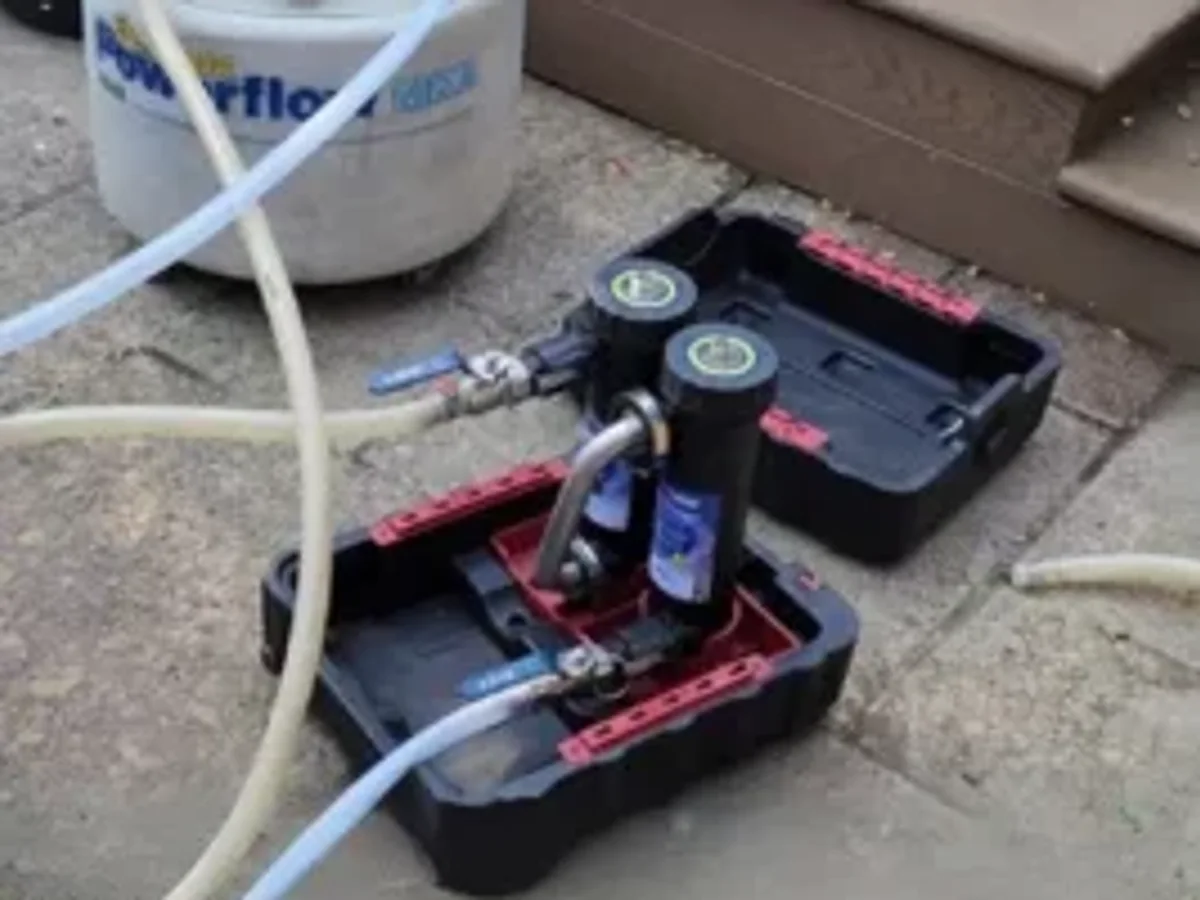
Controlled testing equipment can help confirm whether pipework is losing pressure.
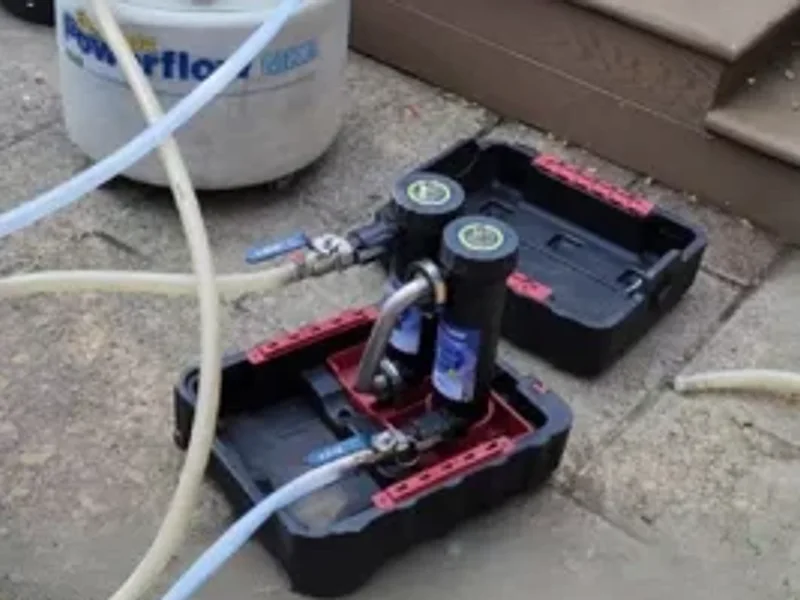
Pressure readings help support evidence-led leak diagnosis before access work is considered.
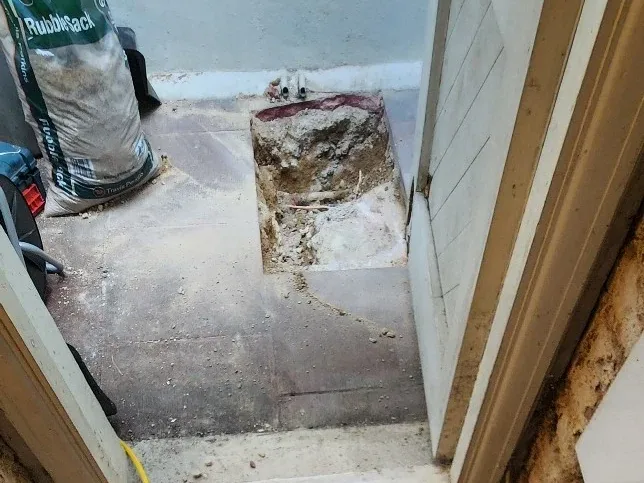
Pressure testing is often used with tracer gas, thermal imaging or moisture mapping to narrow the source.
Related investigations
Published investigations where pressure testing was used as part of the leak detection process.
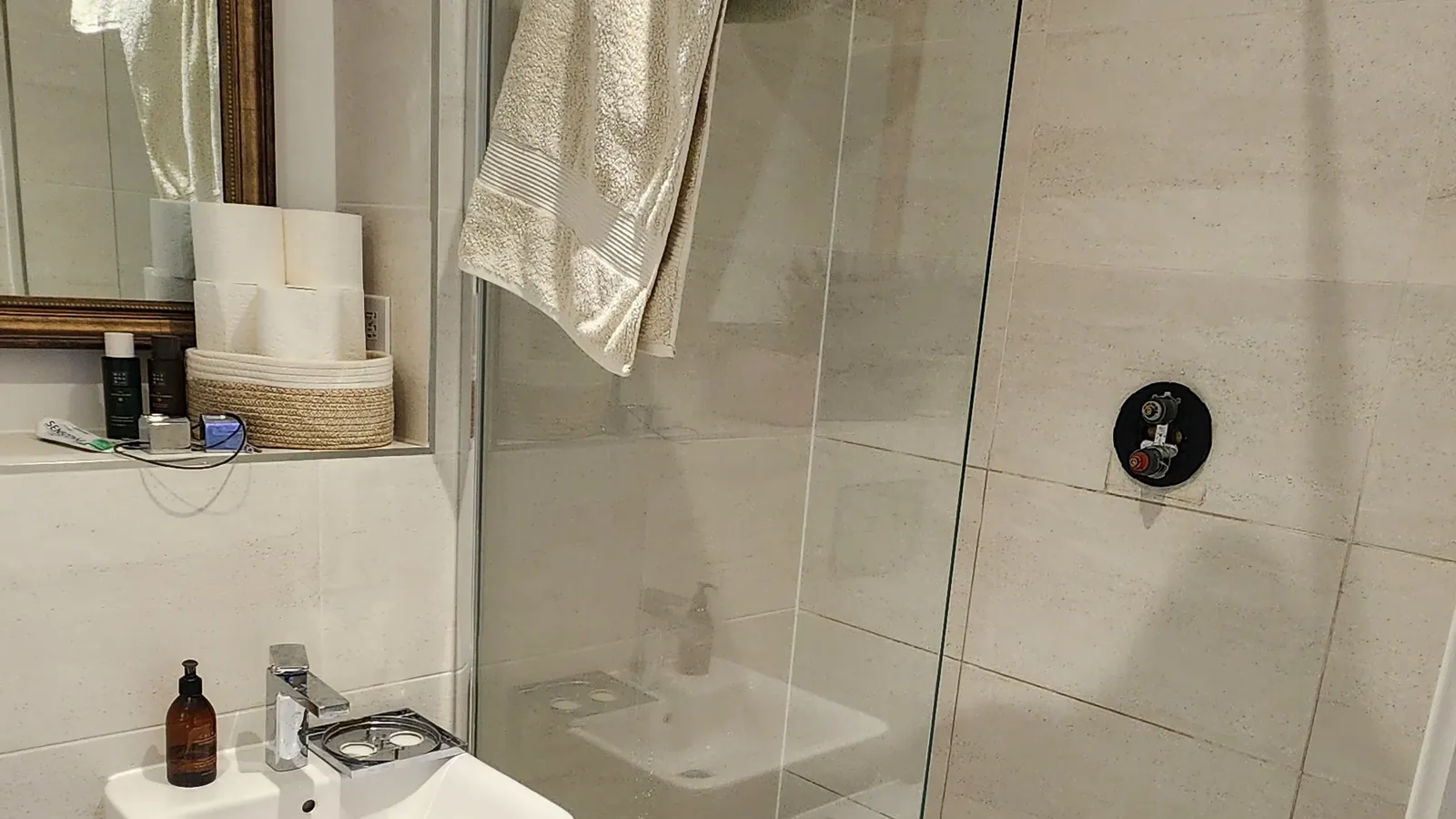
Bathroom Leak
Water reaching the flat below was traced to an ensuite shower room after the bathroom initially suspected by the client was ruled out.
View investigation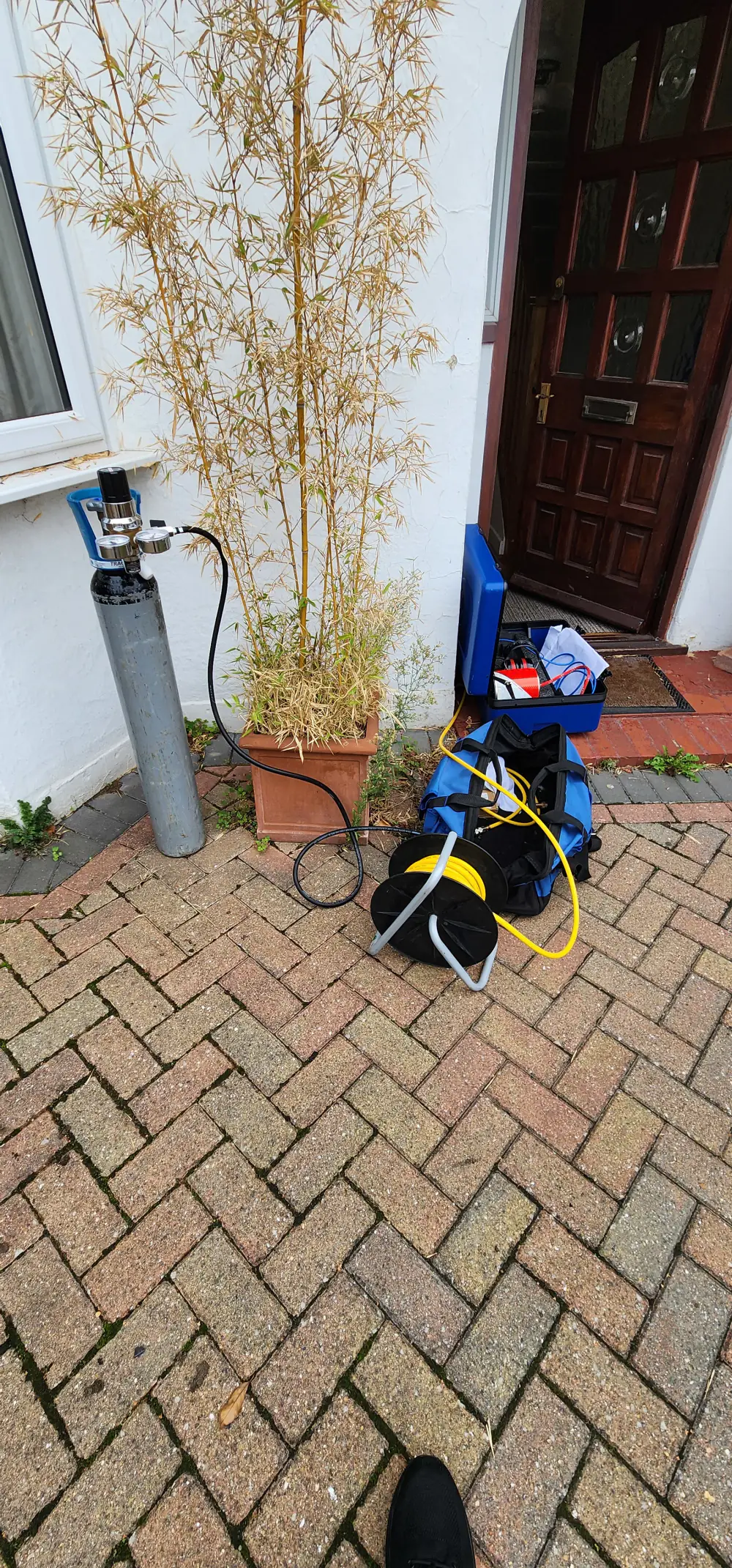
Mains Water Leak
A large bill inconsistent with reported low usage led to testing that confirmed a leak near the water meter for repair planning.
View investigation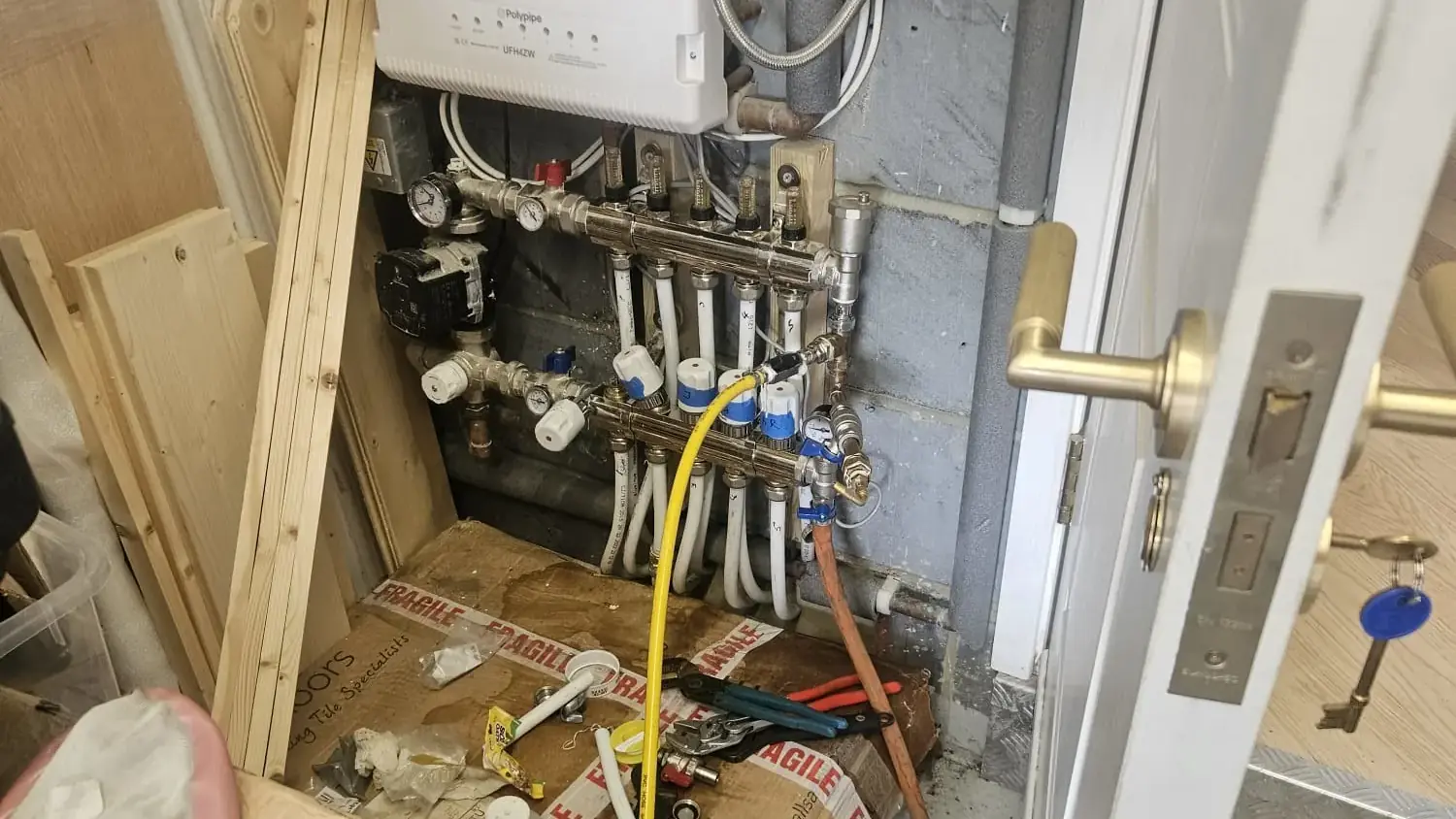
Underfloor Heating Leak
A plumber identified pressure loss on an underfloor heating circuit in Thames Ditton; combined testing narrowed the issue to an area beneath the wood flooring.
View investigationRelated problems
Pressure loss in a boiler or heating system can indicate a concealed central heating leak.
Repeated pressure drops may require controlled testing and leak detection investigation.
UFH loops and manifolds can be pressure tested before further location methods are selected.
A running water meter may require mains water investigation and controlled pipework testing.
Pressure testing can support investigations where pipework is hidden below solid floors.
Hidden supply pipe leaks may need pressure testing alongside other detection methods.
Related services
Specialist investigation for sealed heating circuits, pressure loss and concealed pipework leaks.
Investigation for UFH loops, manifolds and heating systems losing pressure below floors.
External supply pipe and mains water leak detection for high usage, running meters and pressure issues.
Leak tracing reports and evidence for concealed pipework and insurance-led access decisions.
FAQs
Pressure testing leak detection uses controlled pressure checks to assess whether suitable pipework, heating circuits or water systems are losing pressure.
Pressure testing can confirm pressure loss and help narrow the investigation, but the exact leak location often requires tracer gas, acoustic detection, thermal imaging or moisture mapping.
It is useful where a boiler, heating circuit, underfloor heating loop, mains supply or sealed pipework system appears to be losing pressure.
Pressure testing should be carried out under controlled conditions by a specialist engineer. Suitability depends on the system, access, pipework condition and safe test pressure.
Where relevant, pressure readings can support written findings, photographs and trace and access evidence for property owners, landlords or insurers.
Request a survey
Speak to a specialist if your heating system, water supply or concealed pipework appears to be losing pressure.