
Flooring feels damp or changes colour
Timber, carpet, laminate, vinyl, tiles or grout can show moisture symptoms before an obvious leak is visible.
Leak Detection Guide
A leak beneath flooring can be difficult to interpret because damp, staining, warm patches, pressure loss and meter movement can all point to different systems.
This guide explains safe checks you can carry out before lifting floors, what the results may indicate and when floor-level symptoms should be investigated professionally.
Guide
A suspected leak under the floor may involve several different systems. It could be a cold water supply pipe, hot water pipework, a central heating pipe, an underfloor heating loop, a bathroom or kitchen pipe route, waste pipework or moisture tracking from another area.
The floor material matters. A leak beneath floorboards may behave differently from a leak below concrete, screed, tiles, laminate or vinyl. Water can also travel through voids, insulation, joints and floor finishes before it becomes visible.
The aim of this guide is not to prove the leak source from surface symptoms alone. It helps you gather useful evidence safely so the next step can be chosen without unnecessary damage.
Preparation
The safest approach is to gather evidence from the surface and from visible systems before disturbing floors or finishes.
Before You Start
Use this guide when the strongest symptom appears at floor level but the source is not visible.
Timber, carpet, laminate, vinyl, tiles or grout can show moisture symptoms before an obvious leak is visible.
Temperature differences can sometimes be linked to heating pipework, hot water routes or moisture movement, but they need careful interpretation.
Repeated pressure loss can suggest a sealed-system fault, visible radiator leak or concealed heating pipe leak beneath flooring.
A high bill or moving meter may indicate a supply-side leak, but toilets, appliances and outside taps should be checked first.
Step By Step
Photograph the floor area, note when it appeared and record whether the mark, smell, swelling or damp feeling changes after water use, heating use or drying.
Look around radiators, valves, toilets, baths, showers, sinks, appliances, cylinders, manifolds and exposed pipework. Do not remove fixed flooring or cut access holes.
With taps, toilets, appliances and outside supplies off, meter movement may indicate water is still passing through the supply. Record readings rather than relying on memory.
If the property has a sealed boiler or underfloor heating system, compare cold pressure readings over time and check visible radiators, valves and manifolds first.
Mark the edge of visible damp with low-tack tape or take dated photos. If the area spreads, returns or follows a line, that pattern can be useful evidence.
Consider what is above, below and beside the area: bathrooms, kitchens, airing cupboards, utility rooms, radiators and manifolds can all affect the likely investigation route.
Compare
Use the table to connect floor-level symptoms with the first checks that usually provide the most useful evidence.
| Floor-level symptom | What it may suggest | Useful first check |
|---|---|---|
| Damp, swelling or lifting floor finish | Moisture may be affecting the floor, but the source may not be directly below the mark. | Photograph the area, check nearby fittings and monitor whether it spreads or returns. |
| Meter movement with water use off | Water may still be passing through the supply. | Rule out toilets, appliances and outside taps, then carry out a meter leak test. |
| Boiler pressure keeps dropping | A heating circuit issue or concealed heating pipe leak may be possible. | Record cold pressure readings and check visible radiators, valves and manifolds. |
| Warm or cold floor pattern | Pipe routes, underfloor heating operation or moisture movement may be influencing the floor temperature. | Compare the pattern with heating use, pipe routes and any pressure changes. |
Decision Guide
Use the strongest evidence to choose the next useful guide or service page.
Meter movement points towards water supply investigation after simple internal use has been ruled out.
Next step
Use the water meter leak test guide.Repeated pressure loss changes the route towards central heating or underfloor heating investigation.
Next step
Use the boiler pressure check guide.Damp floor symptoms need moisture interpretation before assuming the pipe system or leak source.
Next step
Read the damp under floorboards guide.Interpretation
Floor symptoms are useful clues, but they need to be interpreted alongside water use, heating behaviour and property construction.
This can suggest a water supply issue, but passing toilets, appliances and outside taps should be ruled out before assuming a leak below the floor.
This may point towards central heating or underfloor heating pipework, especially if the symptom returns after the system is topped up.
A warm patch can be linked to heating or hot water pipework, but pipe routes, normal heat spread and underfloor heating operation must be considered.
Other moisture sources may be involved, including condensation, water ingress, bathroom leakage, waste pipework or trapped moisture in floor materials.
Avoid Mistakes
Opening the wrong area can cause avoidable damage and may still miss the source if water has tracked away from the leak.
Water can travel through voids, insulation, screed, joists and finishes before showing at the surface.
A floor symptom with repeated pressure loss should be treated differently from a floor symptom with a moving water meter.
A damp patch, smell or lifted floor finish is evidence to investigate. It does not prove the pipe type, route or exact leak location.
When To Get Help
Persistent or recurring floor-level moisture should be investigated before finishes are replaced or larger areas are opened.
If safe checks do not explain meter movement, mains or internal water leak detection may be appropriate.
Repeated pressure loss alongside a floor symptom may need central heating or underfloor heating leak detection.
When concrete, tiles, fitted flooring or finished rooms are involved, an evidence-led investigation can help target access more accurately.
Next Step
Choose the next step according to the system most likely to be involved.
Use the water meter leak test guide and check simple causes such as toilets, appliances and outside taps before assuming a buried or concealed pipe leak.
Use the boiler pressure guide and consider whether central heating or underfloor heating pipework may need investigation.
Review damp-related problem guides because condensation, water ingress, waste routes and pipe leaks can look similar at floor level.
Specialist water leak detection can help narrow the likely source before disruptive floor access is planned.
Useful Next Steps
Investigation for concealed water leaks beneath flooring, behind finishes and inside properties.
Specialist investigation for pressure loss and suspected leaks in underfloor heating loops or manifolds.
Evidence-led leak location and written findings where access may be needed to expose a concealed leak.
Related Investigations
Published investigations involving concealed leaks, damp flooring, suspended floors, concrete floors or floor-level pipework symptoms.
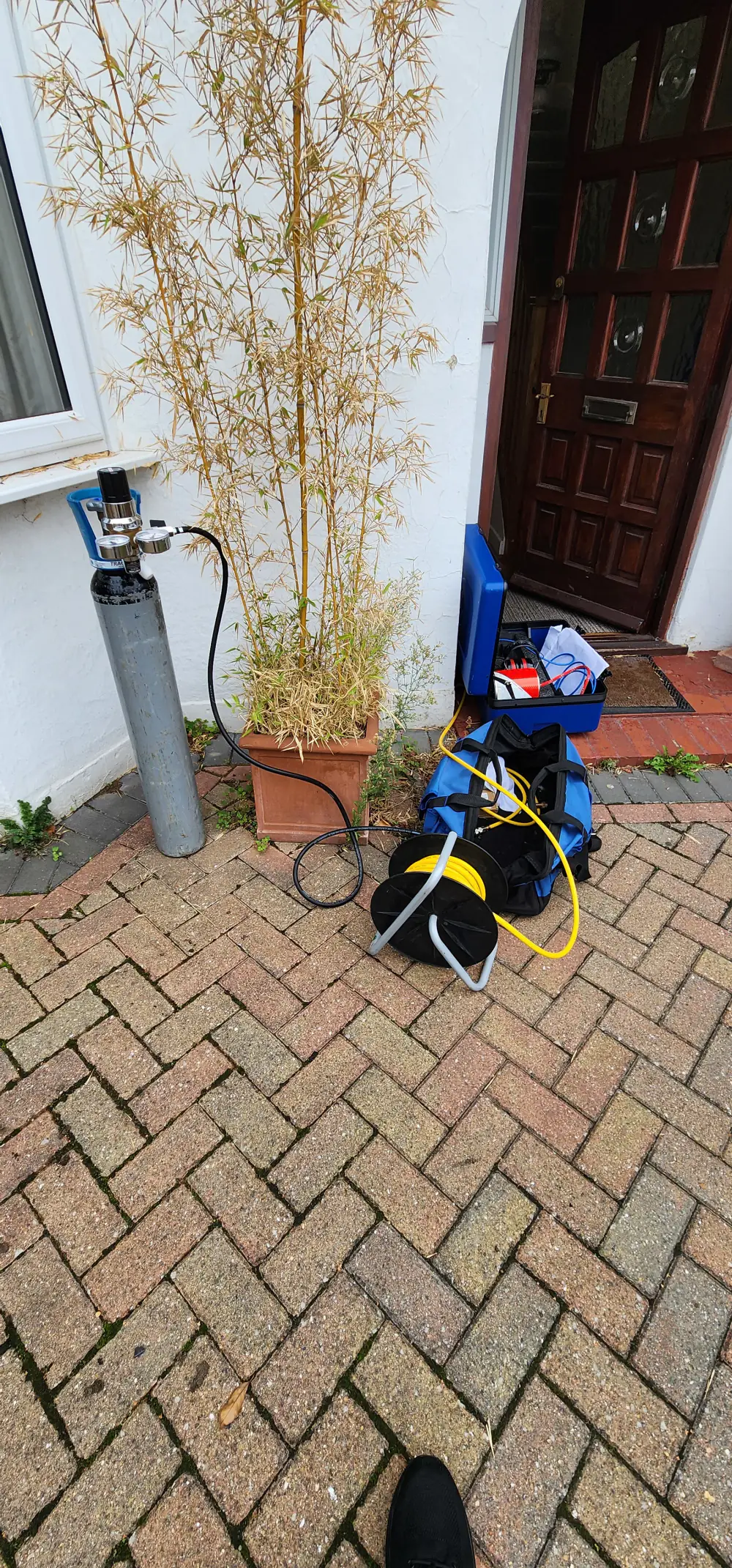
Mains Water Leak
A large bill inconsistent with reported low usage led to testing that confirmed a leak near the water meter for repair planning.
View investigation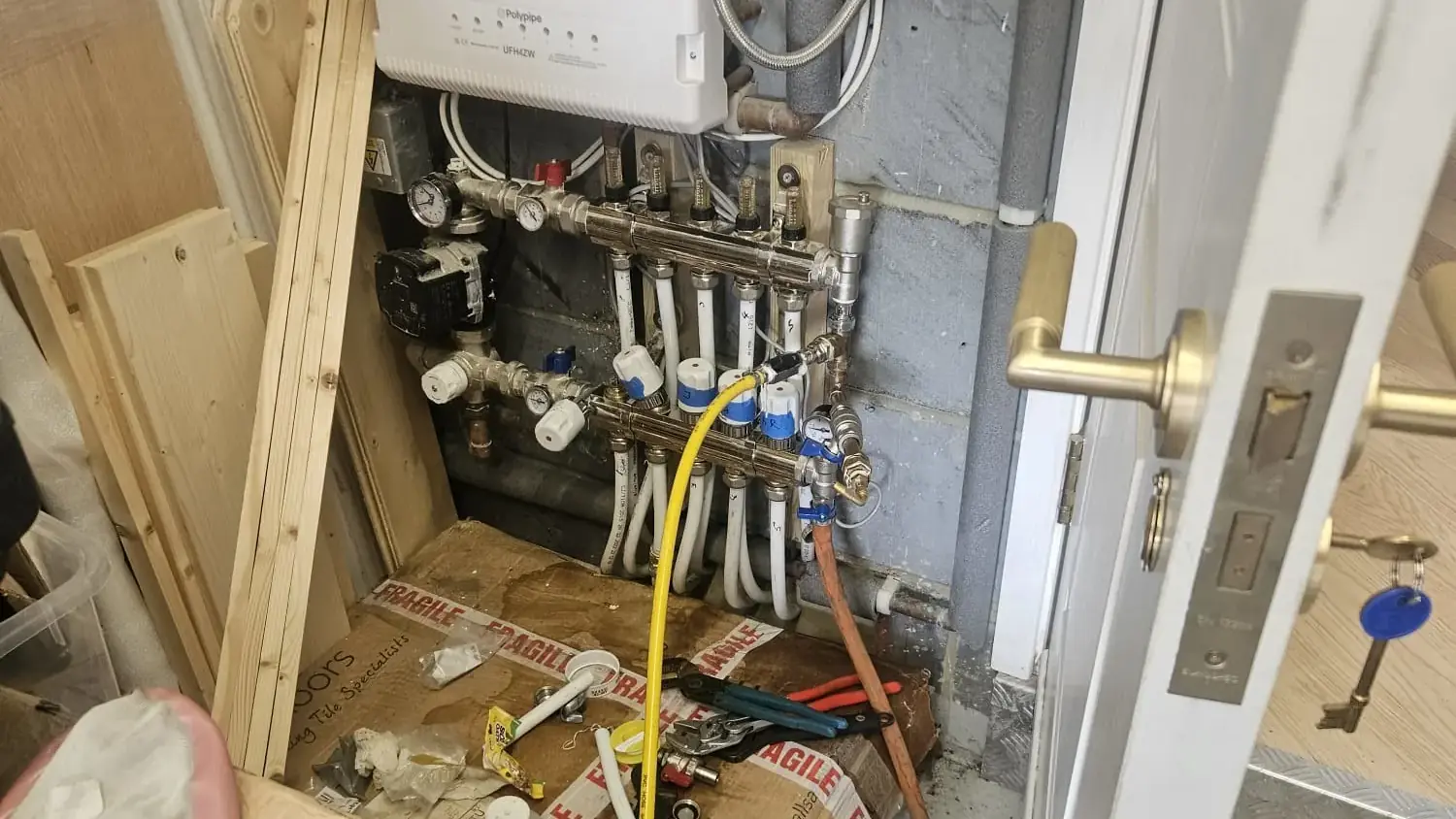
Underfloor Heating Leak
A plumber identified pressure loss on an underfloor heating circuit in Thames Ditton; combined testing narrowed the issue to an area beneath the wood flooring.
View investigation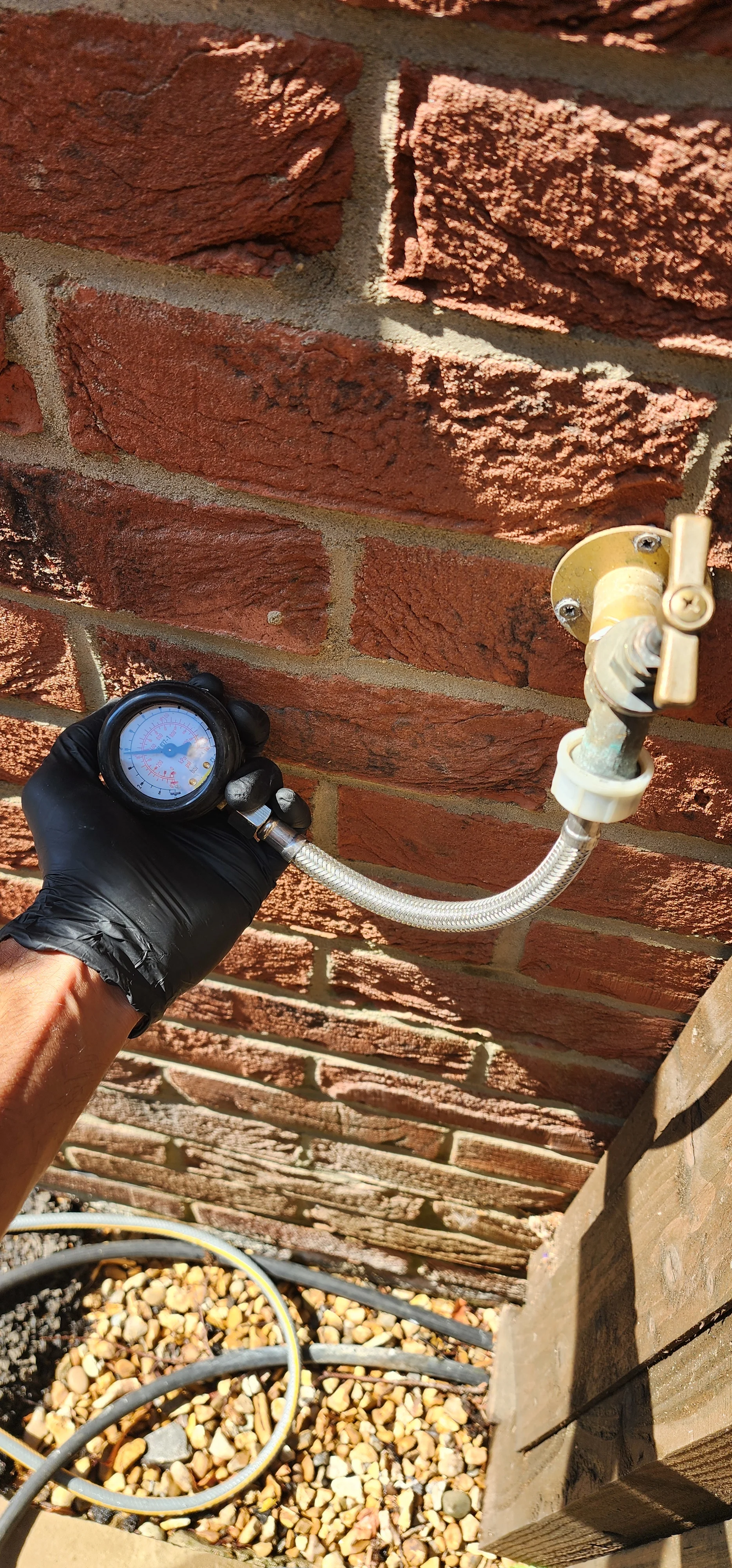
Mains Water Leak Investigation
An unexpectedly high water bill prompted controlled mains testing; no leak was found, and the findings were documented for water provider review.
View investigationFAQs
Not as a first step. Safer checks such as recording symptoms, checking visible fittings, reading the water meter and reviewing heating pressure should usually come before lifting floors.
No. Damp flooring may be caused by a pipe leak, but condensation, water ingress, bathroom leakage, waste pipework or trapped moisture may also be possible.
Yes, if the leak is on a metered supply pipe. Meter movement should still be checked against toilets, appliances and outside taps before assuming a concealed floor leak.
It can. Repeated pressure loss may be linked to central heating pipework or underfloor heating, but visible radiator, valve and boiler-related causes should also be considered.
Often the investigation can narrow the likely area before access is considered, but no single method is suitable for every floor type, pipe route or property.
The method depends on the suspected system and floor construction. Moisture mapping, thermal imaging, tracer gas, acoustic detection or pressure testing may be considered where suitable.
Speak To A Specialist
If safe checks suggest a hidden leak but the source is unclear, our engineers can review the evidence and recommend the right investigation route before access work is planned.
Phone: 0333 577 0194 WhatsApp: Message us Email: Use the contact form