
The boiler needs regular top-ups
Repeated topping up suggests the system is losing pressure or water somewhere. Recording when it happens helps narrow down the next step.
Leak Detection Guide
A simple boiler pressure check can help you understand whether pressure loss is occasional, repeated or linked to a possible hidden central heating leak.
This guide focuses on safe observation only. It explains how to record pressure behaviour, how to interpret common patterns and when the next step should be a heating engineer, plumber or specialist leak detection investigation.
Guide
Most modern sealed central heating systems rely on water pressure to circulate heat through radiators, underfloor heating circuits and concealed pipework. The pressure gauge gives a useful clue, but it does not identify the cause on its own.
Some movement between cold and hot readings can be normal because water expands as it heats. The important question is whether the pressure repeatedly falls after the system has cooled, or whether the boiler needs frequent top-ups to keep running.
Pressure loss can be caused by several issues, including a leaking radiator valve, a pressure relief valve discharging, expansion vessel problems, trapped air, underfloor heating faults or a concealed heating pipe leak. The aim of this guide is to help you observe the pattern safely before deciding what help is appropriate.
Preparation
A useful pressure check depends on comparing like with like. Gather the reading safely and avoid any checks that require opening the boiler or exposing pipework.
Before You Start
Use this guide when the pressure change is not fully explained by normal heating use and you need a clearer record before requesting advice.
Repeated topping up suggests the system is losing pressure or water somewhere. Recording when it happens helps narrow down the next step.
Some boilers show a low-pressure warning or lockout when system pressure drops below the operating range. The fault code should be interpreted alongside the pressure pattern.
If radiators, valves, pipe clips, ceilings and floor edges look dry, the issue may still be hidden, intermittent or linked to boiler components.
Pressure dropping within hours or soon after topping up is more significant than a slow change over many weeks and should not be ignored.
Step By Step
Use only the visible gauge or digital display. Do not remove the boiler casing or access internal components to find a reading.
Check the pressure when the heating has been off long enough for the system to cool. Take a photo or write down the reading and time.
Check around radiators, valves, towel rails, visible pipework, manifolds and ceilings below bathrooms or heating routes. Do not lift flooring or open walls.
Use the heating as you usually would. A warm system may read higher than a cold system, so avoid judging the result from a hot reading alone.
Once the system has cooled, compare the new reading with the original cold reading. This gives a more meaningful comparison than hot-to-cold readings.
Record whether pressure drops within minutes, hours, days or weeks. The speed of pressure loss is often more useful than a single reading.
Compare
Use this table to interpret your observations without jumping to a single conclusion too early.
| Pressure pattern | What it may mean | Sensible next step |
|---|---|---|
| Pressure remains stable after cooling | There may not be active pressure loss during the test period. | Monitor if the issue is intermittent and keep dated readings. |
| Pressure drops slowly over days or weeks | A small leak, valve issue, boiler component or concealed heating fault may be possible. | Check visible pipework and ask for advice if the pattern repeats. |
| Pressure drops within hours | The system is losing pressure quickly and should not be managed by repeated top-ups. | Seek professional investigation, especially if no visible leak is present. |
| Pressure rises high when hot, then falls | Expansion or discharge-related boiler issues may be involved. | Ask a heating engineer to check boiler components and discharge routes. |
Decision Guide
Choose the closest match to your observation. If several apply, treat the result as uncertain and avoid forcing a conclusion.
Water around a radiator valve, towel rail, exposed pipe or ceiling can point to an accessible repair rather than a hidden leak search.
Next step
Arrange repair of the visible fault.
Pressure relief discharge, expansion problems or boiler lockouts can require boiler-specific diagnosis before leak detection is considered.
Next step
Review boiler pressure loss symptoms.If the pressure repeatedly drops and visible checks do not explain it, concealed heating pipework may need specialist investigation.
Interpretation
These patterns are useful indicators, not final diagnoses. More than one cause may be possible, especially where the system has recently been drained, altered or repaired.
A stable cold reading suggests there may not be an active pressure loss at that time. Continue monitoring if the concern was intermittent.
Some movement between hot and cold readings is expected. A very large rise or repeated discharge from an overflow or pressure relief route should be checked by a heating professional.
A slow drop can still matter. It may relate to a small visible leak, a boiler component, underfloor heating pipework or a concealed heating circuit leak.
Rapid pressure loss usually needs prompt investigation. If no visible source is found, the sealed heating circuit may need specialist leak detection.
Avoid Mistakes
Hot readings can be higher because water expands. Comparing cold readings gives a clearer picture of whether pressure is being lost.
Repeated top-ups hide the pattern and can make the issue harder to explain. Record readings and how often pressure needs topping up.
Pressure loss can be caused by boiler components, valves, air, radiators or visible pipework as well as concealed leaks.
Do not remove boiler panels or work on internal gas, electrical or sealed components. Those checks belong with a suitably qualified professional.
When To Get Help
Recurring pressure loss should be investigated rather than managed indefinitely with repeated filling.
A lockout may need boiler-specific checks. If the heating circuit is losing water, leak detection may also be needed.
When radiators, valves and visible pipework appear dry, specialist testing can help investigate concealed central heating pipework.
Moisture near floors, skirting, ceilings or pipe routes can provide supporting evidence that the pressure loss needs further investigation.
Next Step
The right next step depends on the pressure pattern and whether the source is visible, boiler-related or concealed.
Keep a simple record if the issue was intermittent. A stable reading does not prove there is no fault, but it reduces the immediate evidence of active pressure loss.
Arrange an appropriate repair for the accessible fault. Leak detection is usually most useful when the source is hidden or uncertain.
Ask a qualified heating engineer to check boiler components, pressure relief discharge routes and expansion-related faults.
A central heating leak detection investigation can help locate hidden pipework leaks before unnecessary access work is planned.
Useful Next Steps
Investigation for sealed heating systems losing pressure where concealed heating pipework may be involved.
Leak detection for underfloor heating circuits where pressure loss, damp flooring or uneven heating may be present.
Evidence-led leak location support and reporting where access decisions need to be justified.
Related Investigations
Published investigations involving boiler pressure loss, central heating leaks or concealed heating pipework.
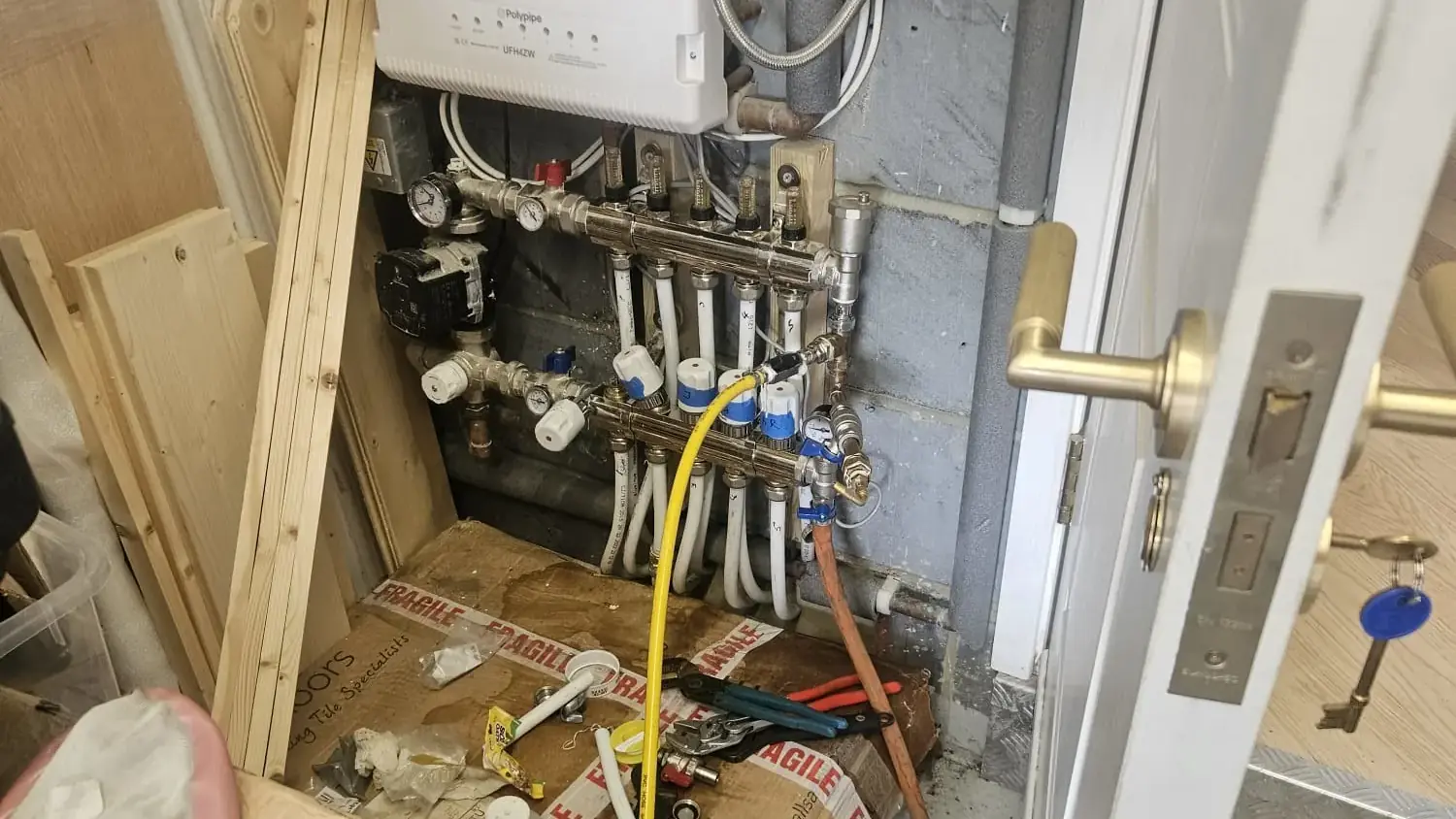
Underfloor Heating Leak
A plumber identified pressure loss on an underfloor heating circuit in Thames Ditton; combined testing narrowed the issue to an area beneath the wood flooring.
View investigation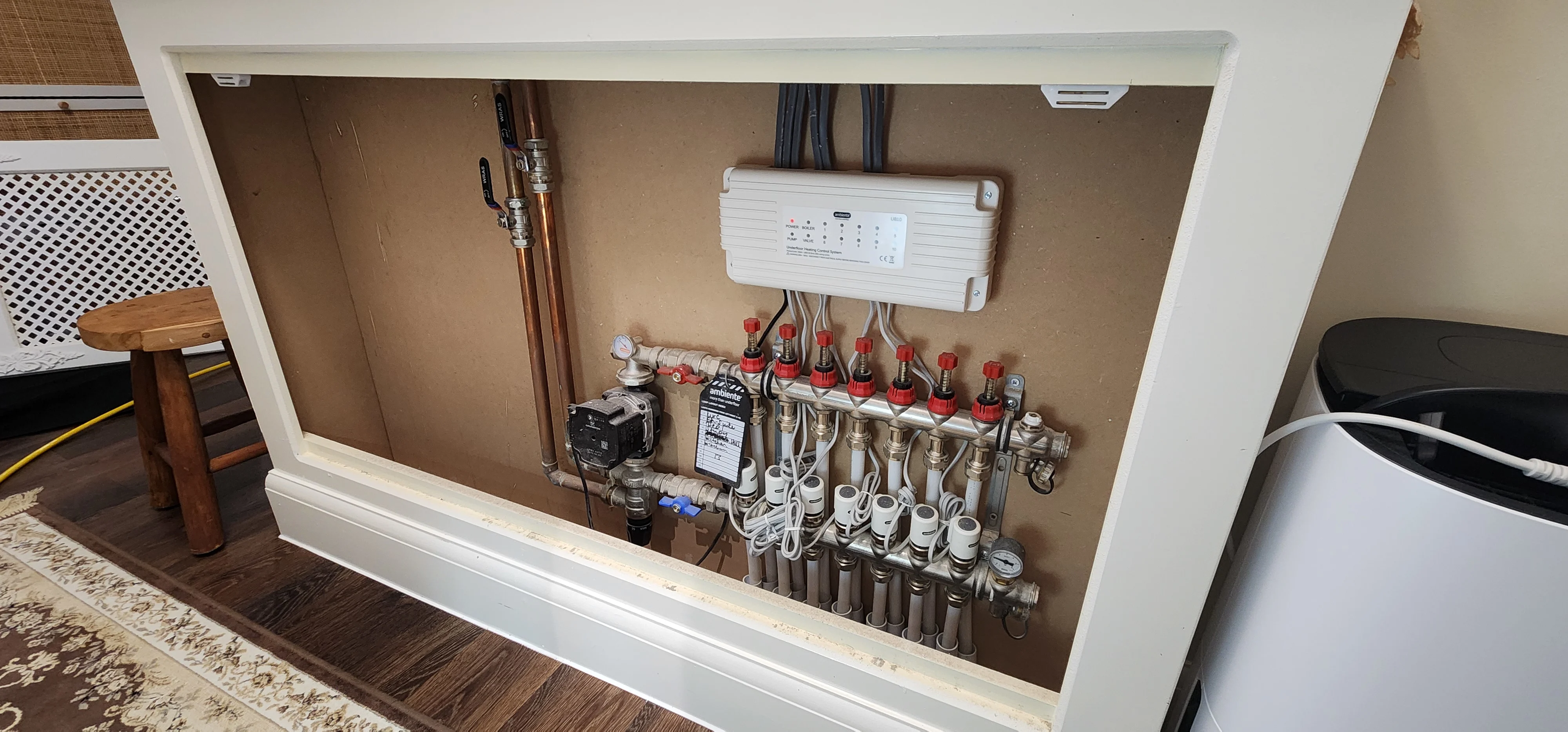
Plumbing Leak Investigation
Heating, hot-water and cold-water circuits were tested after water ingress was reported below; no plumbing leak evidence was found during the visit.
View investigation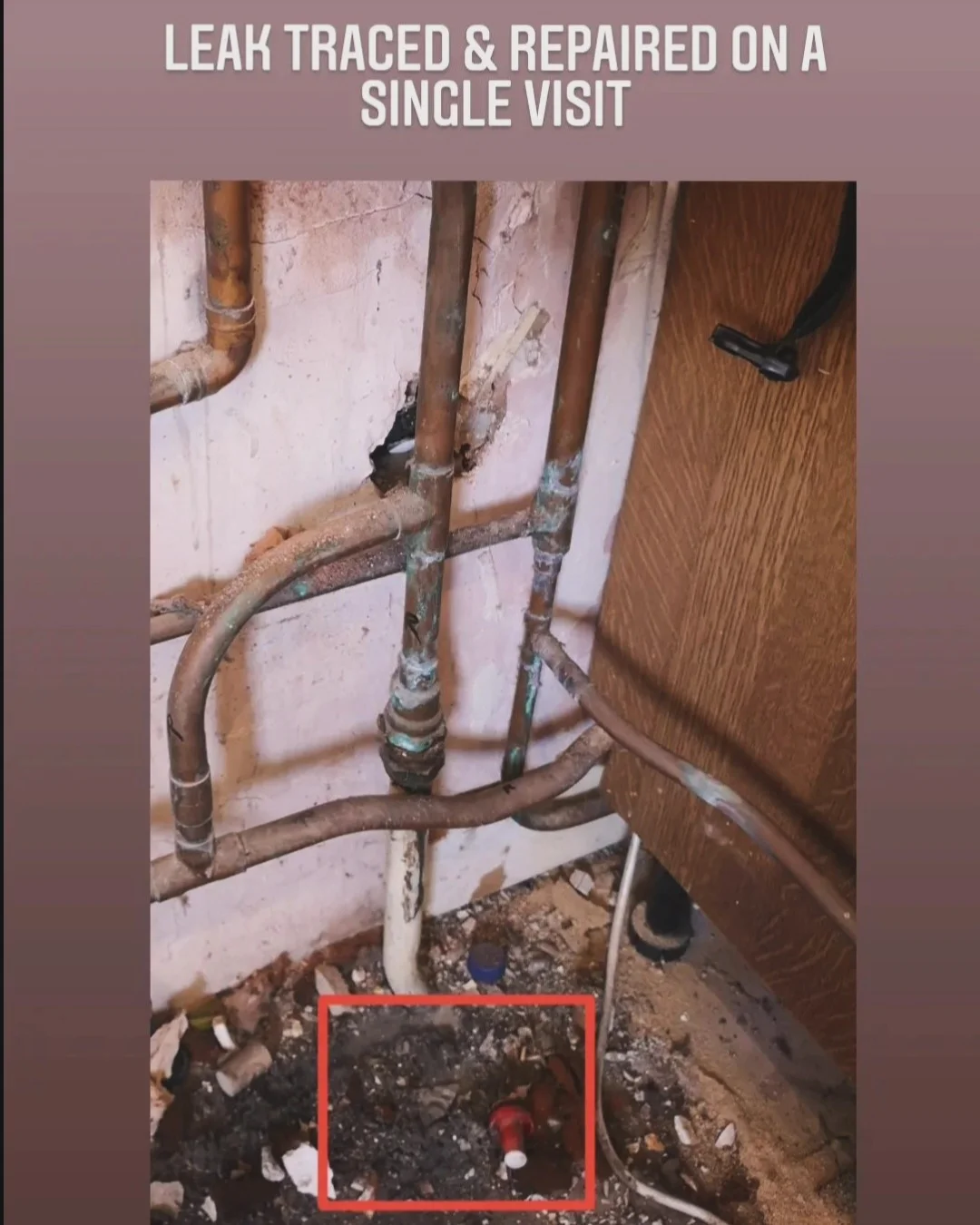
Central Heating Leak
Boiler pressure loss in Woking traced and repaired in a single visit, reducing disruption for the customer.
View investigationFAQs
Many sealed heating systems sit around 1 to 1.5 bar when cold, but the correct range depends on the boiler and system. Check the manufacturer guidance or ask a heating engineer if you are unsure.
No. Pressure loss can be caused by boiler components, a pressure relief valve, expansion vessel issues, trapped air, radiator valves, visible pipework or a concealed leak.
Repeated or rapid pressure loss should be investigated rather than managed with ongoing top-ups. The urgency depends on the speed of the drop, boiler behaviour and whether any water damage is visible.
Occasional top-ups may be part of normal system maintenance, but repeated topping up is not a long-term solution. It can hide the pattern and may contribute to corrosion in the heating system.
Specialist leak detection can investigate concealed heating pipework using appropriate methods for the property and symptoms. The engineer selects the method after assessing the evidence.
No. Do not remove the boiler casing or work on internal boiler parts. Gas, electrical and sealed boiler components should only be checked by a suitably qualified professional.
Speak To A Specialist
If your checks show repeated pressure loss and the source is not visible, our engineers can investigate concealed heating pipework and explain the evidence clearly before access work is planned.
Phone: 0333 577 0194 WhatsApp: Message us Email: Use the contact form