
Case Study
Bathroom Leak Detection in Datchet
Moisture Traced Behind Bathroom Tiles
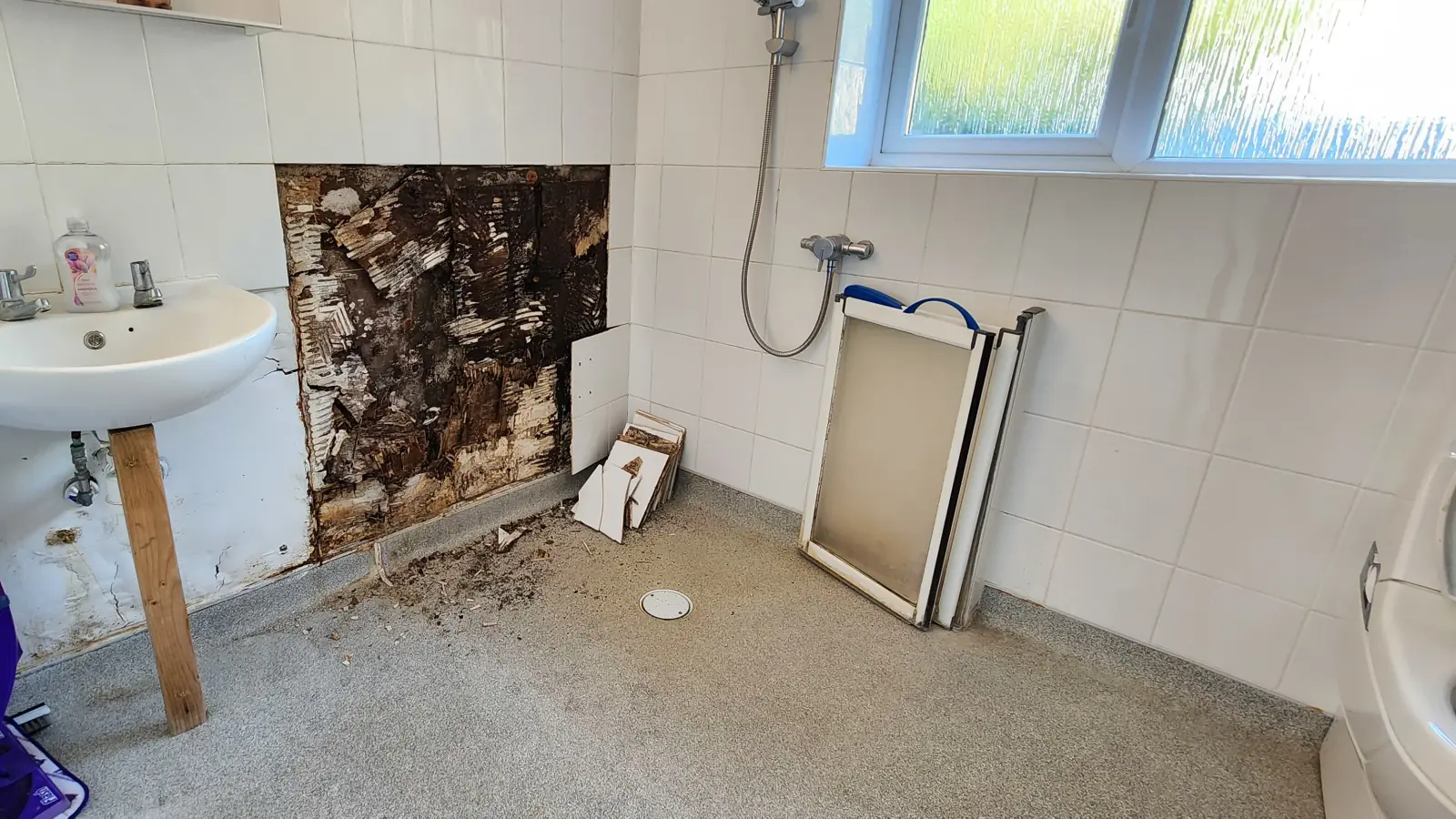
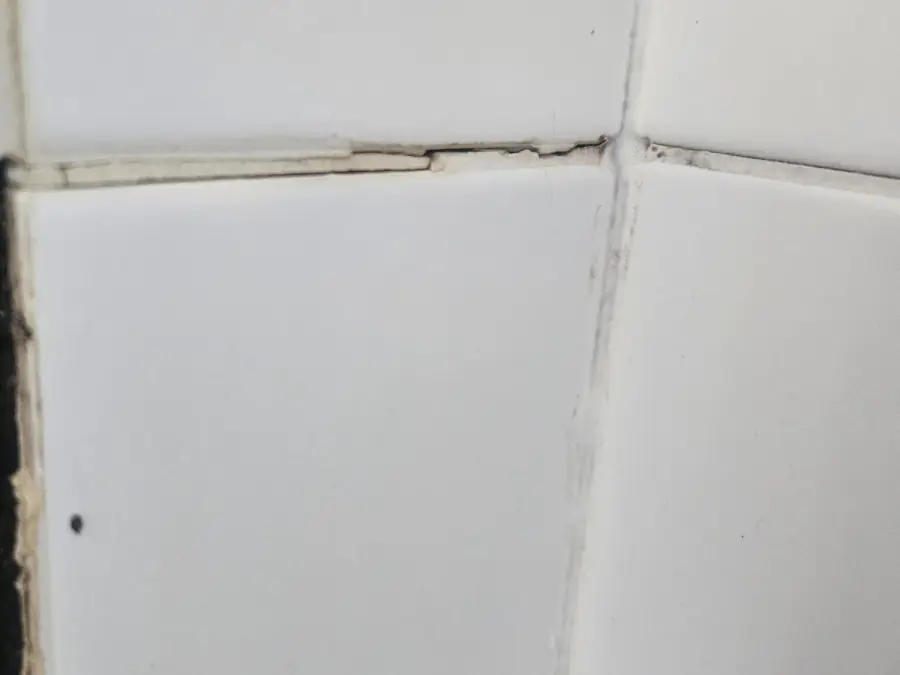
Loose tiles and a smell of damp led to a combined investigation of this Datchet bathroom. Testing found that water was passing through the grout joints and being absorbed into the timber substrate behind the tiles, which caused them to lift.
Google Reviews ★★★★★ 5.0 Rating 70+ Reviews Read Reviews- ✓ Leak Located
- ✓ Four Investigation Methods Used
- ✓ Findings Documented In Report
- ✓ Bathroom Remained Out Of Use
The Challenge
Loose Tiles And A Persistent Smell Of Damp
The customer had noticed loose bathroom tiles alongside a persistent smell of damp. Neither symptom confirmed on its own where the moisture was coming from, so a combined investigation was arranged to establish whether water was passing behind the tiled surface.
- ✓ Bathroom tiles had become loose
- ✓ A persistent smell of damp was present in the room
- ✓ The source of the moisture had not been confirmed
- ✓ A non-destructive investigation was needed before further work
Investigation
Investigation Evidence
Selected photos and videos from the investigation sequence showing the evidence-led approach used on site.
Investigation
A Combined, Non-Destructive Investigation
Thermal imaging, tracer gas testing, pressure testing and endoscopic camera inspection were used together to investigate the bathroom. Each method contributed a different form of evidence, and the conclusion was reached from the methods considered together rather than from any single test.
Thermal Imaging
An infrared camera could highlight temperature differences across the tiled wall that might indicate moisture behind the surface.
Thermal imaging was carried out across the affected bathroom wall as part of the combined investigation.
No individual thermal reading was recorded separately, so this method is treated as part of the combined evidence rather than standalone proof.
MethodTracer Gas
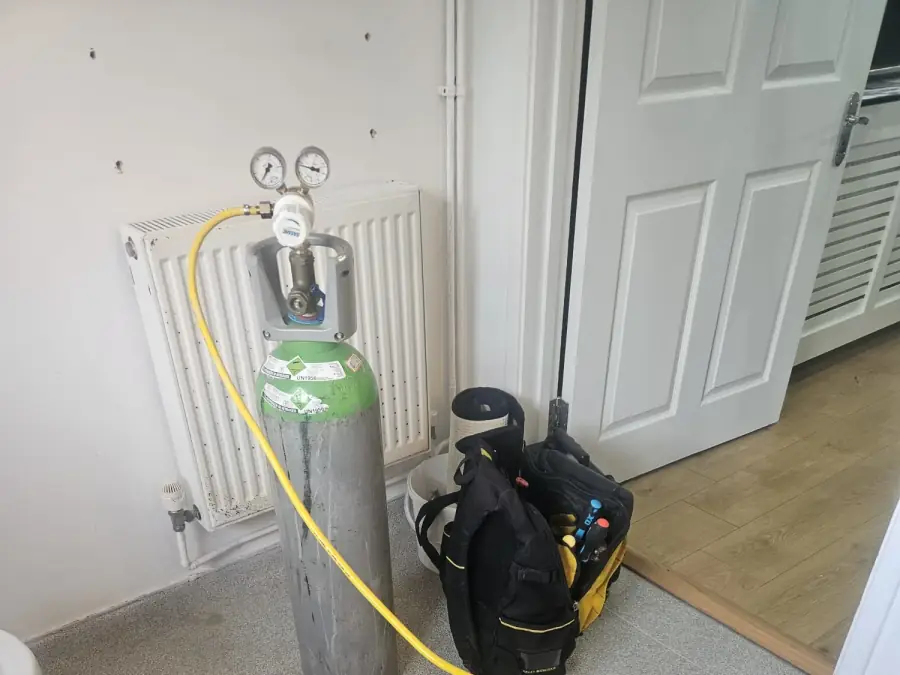
Tracer gas testing could help assess whether water was tracking through the grout joints into the wall structure.
Tracer gas testing was completed across the affected tiled area.
No separate tracer gas reading was supplied, so this method is presented as part of the wider investigation rather than an independent finding.
MethodPressure Testing
Pressure testing could help check whether a plumbing fault, rather than surface water ingress, was contributing to the reported moisture.
Pressure testing was carried out as part of the bathroom investigation.
No individual pressure result was recorded, so this method is treated as one part of the combined evidence used to reach the conclusion.
MethodEndoscopic Camera Inspection
An inspection camera could give a direct view of the substrate once access allowed a closer look behind the tiled surface.
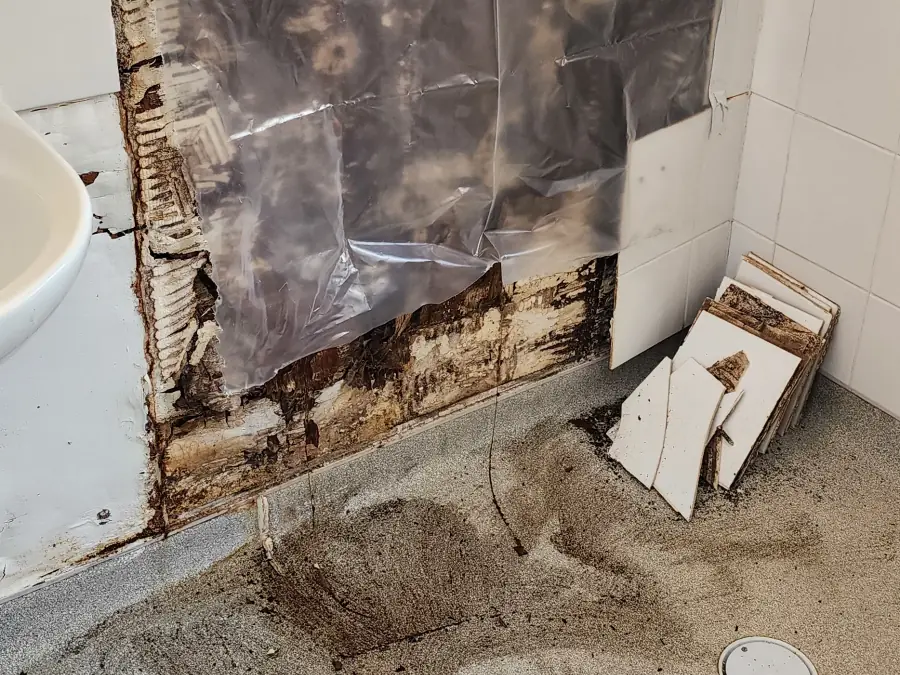
Endoscopic camera inspection was used to examine the substrate behind the tiles.
The camera helped support the visual evidence behind the reported finding, alongside the other methods used.
Findings
Water Tracking Through The Grout Into The Timber Behind
The investigation found that water was penetrating through the grout joints and being absorbed into the timber substrate behind the tiles. Once the timber began to take on moisture, it expanded and moved, which affected the adhesive bond holding the tiles in place. That movement was the reason the tiles had started to loosen and lift.
- Water was passing through the grout joints
- The timber substrate behind the tiles was absorbing the moisture
- Moisture-related movement in the timber affected tile adhesion
- The loosening and lifting tiles were linked directly to this moisture pathway
Outcome
Findings Documented For The Client
- ✓ Leak Located
- ✓ Four Investigation Methods Used
- ✓ Findings Documented In Report
- ✓ Bathroom Remained Out Of Use
The investigation findings were passed to the client in a written report. The bathroom was no longer in use at the time of reporting, pending a decision on remedial work.
Investigation Insights
What This Investigation Shows
- ✓Loose tiles and a smell of damp can point to moisture behind the tiled surface rather than a fault with the tiles themselves.
- ✓Combining thermal imaging, tracer gas, pressure testing and camera inspection can trace a moisture pathway without removing an entire wall.
- ✓A timber substrate behind tiles can absorb water through the grout joints, and the resulting movement can loosen tiles that are otherwise undamaged.
- ✓Identifying the moisture pathway is a separate step from repairing it, giving homeowners a documented basis for deciding on remedial work.
Local Coverage
Leak Detection In Datchet
This investigation was completed in Datchet, Berkshire.
We regularly carry out leak detection investigations across Datchet and surrounding areas.
Related Case Studies
Similar Project Examples
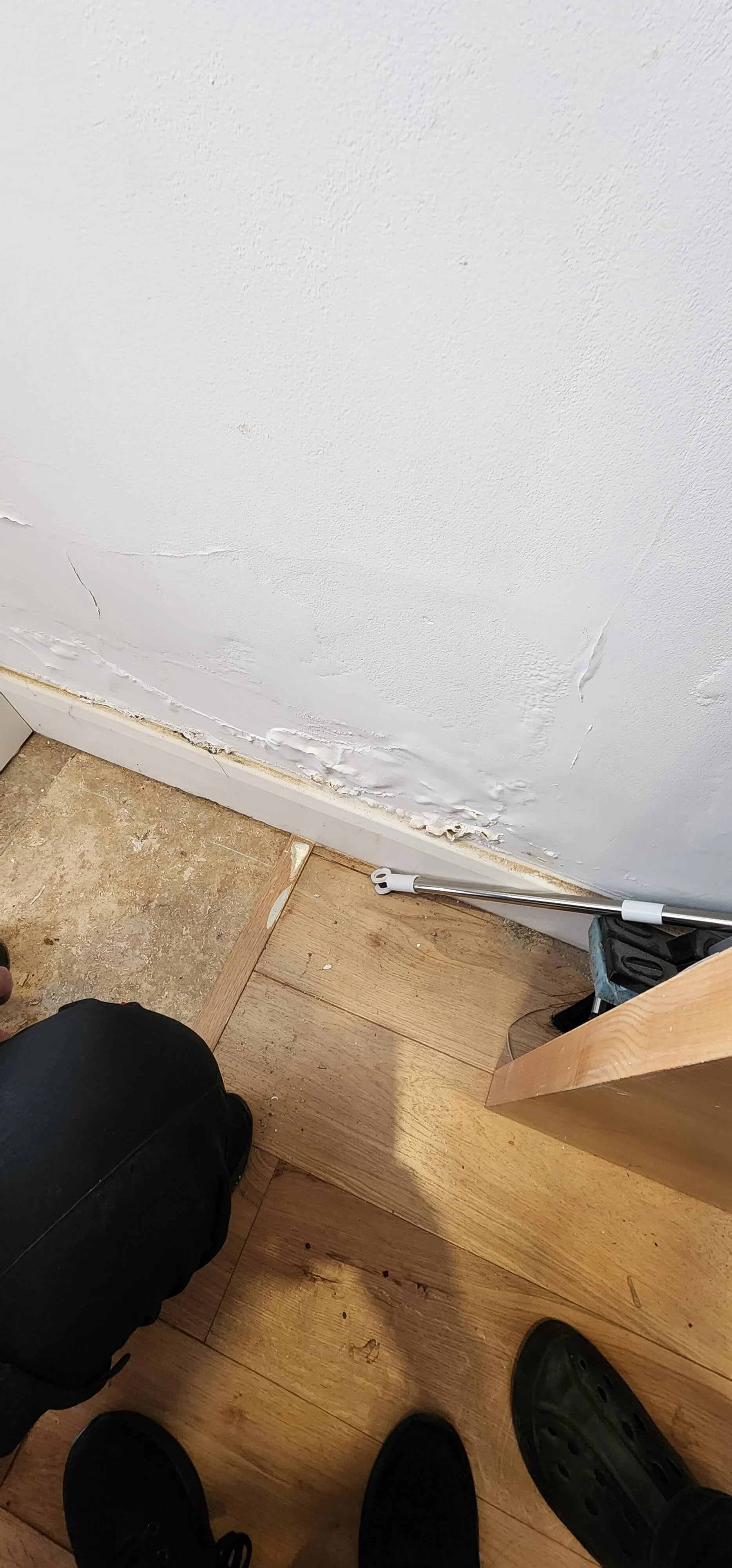
Mains Water Leak
Mains Water Leak Detection in Ascot
An Ascot mains water leak investigation used moisture, thermal and tracer gas methods to trace concealed pipework beneath flooring.
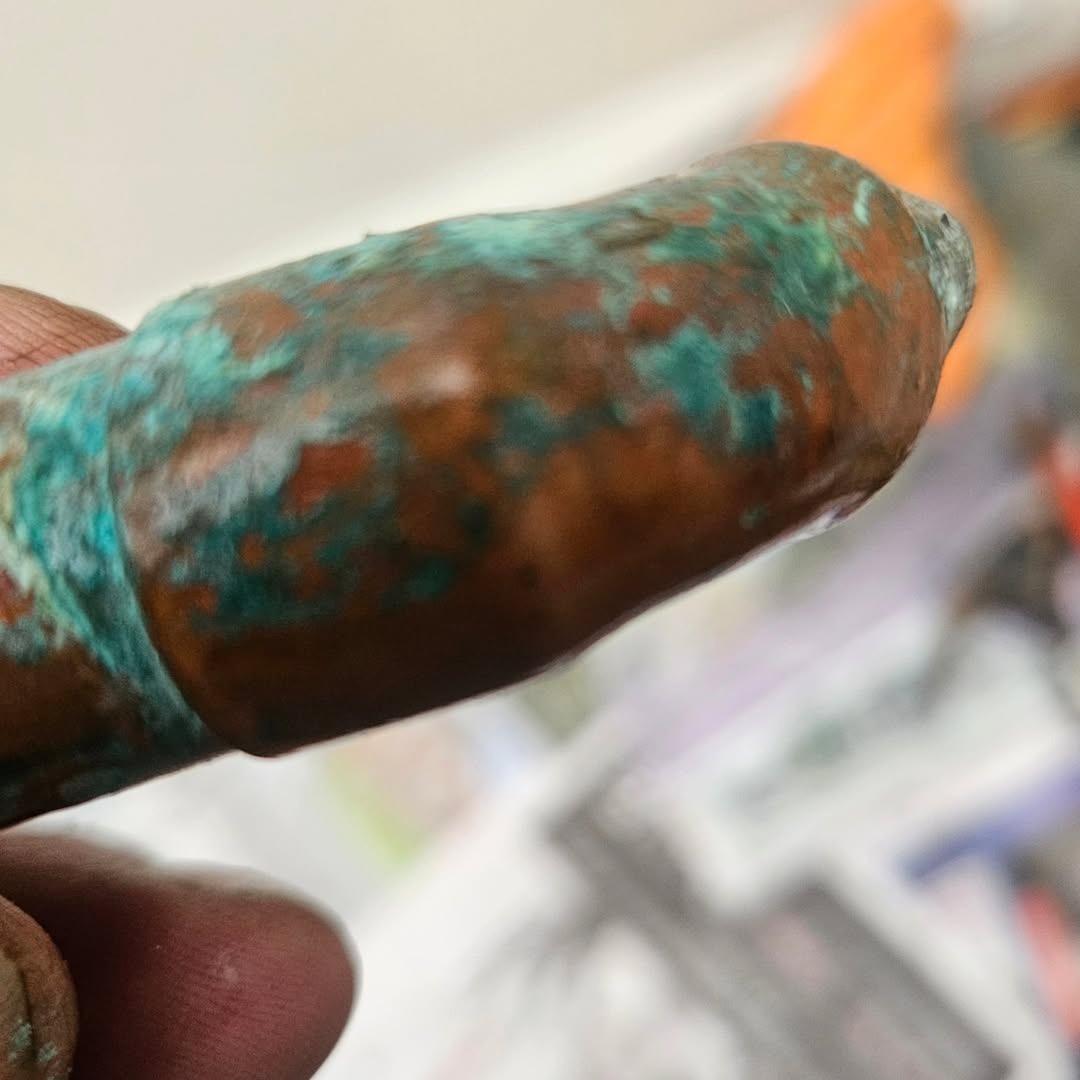
Hidden Pipe Leak Below Screed
Pinhole Pipe Leak Detection in Bracknell
Hidden pinhole leak below screed in Bracknell confirmed so repair could be targeted to the affected pipework.
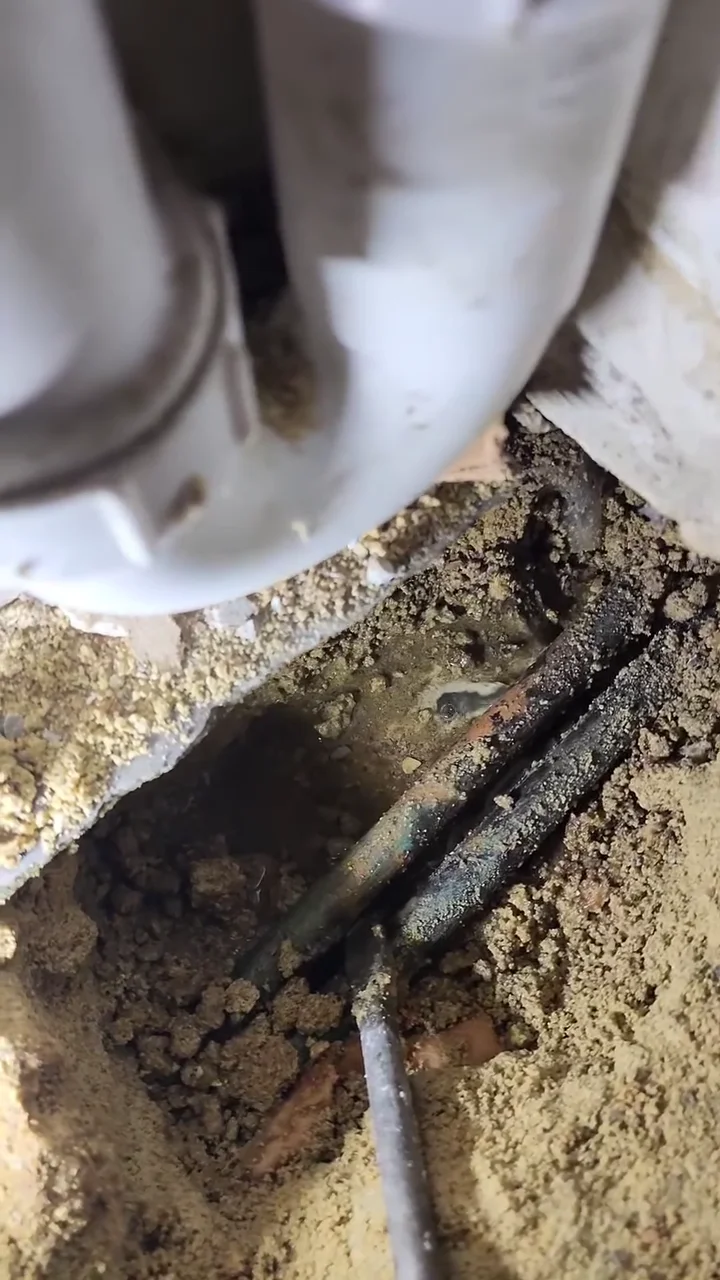
Central Heating Leak
Central Heating Leak Detection in Reading
Rapid central heating pressure loss in Reading traced and repaired after a concealed leak investigation.
Request a survey
Request A Similar Leak Investigation
If your heating system is losing pressure or continually requiring top-ups, our engineers can help locate hidden leaks.