
The water meter keeps moving
If the meter moves when taps and appliances are off, toilets are one of the first internal fittings worth checking before assuming an underground leak.
Leak Detection Guide
A leaking toilet can waste water quietly and may show up as a running meter, high water bill or continuous smart meter usage before any obvious water damage appears.
This guide explains safe checks for a toilet that may be passing water, how to interpret what you see and when the issue is likely to need a plumber, bathroom investigation or wider leak detection.
Guide
A toilet can leak without water appearing on the floor. In many cases water passes silently from the cistern into the pan and down the waste, so the first clue may be a water supplier alert, a high bill or a smart meter showing continuous usage.
A leaking toilet is not the same as a hidden pipe leak. It may be caused by a faulty flush valve, inlet valve, overflow arrangement, worn seal, scale build-up or a mechanism that is not seating correctly after flushing.
The aim of this guide is to help you check for obvious toilet-related water use safely before assuming there is a mains water leak, concealed pipework leak or underground supply issue.
Preparation
The aim is to observe water movement without dismantling the toilet or forcing concealed parts.
Before You Start
Use this guide when toilet water use could explain meter movement, high usage or intermittent water sounds.
If the meter moves when taps and appliances are off, toilets are one of the first internal fittings worth checking before assuming an underground leak.
A passing cistern can waste water continuously, sometimes without creating damp or visible property damage.
A faint trickle, refilling noise or repeated cistern top-up can suggest the toilet mechanism is allowing water to pass.
Some toilet faults only appear after flushing, when a seal does not reseat properly or a float valve continues filling.
Step By Step
Wait until the toilet has not been used recently. This makes it easier to spot water movement that is not linked to normal flushing.
Listen for a faint trickle, refilling sound or periodic top-up. These sounds can suggest water is passing through the toilet mechanism.
Check for ripples, a thin stream at the back of the pan or water movement when nobody has flushed. A dry piece of toilet tissue held against the back of the pan can sometimes make a trickle easier to see.
If it is safe to do so, turn off taps and appliances, then check whether the meter still moves. Toilet faults are one possible cause of unexplained movement.
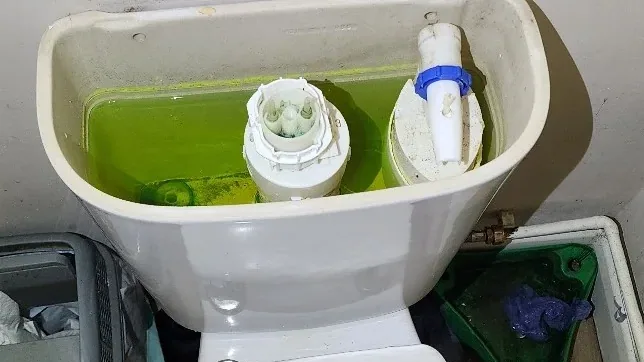
Add a small amount of food colouring or test dye to the cistern water, then wait without flushing. If colour appears in the pan, water is passing from the cistern into the toilet.
If the first check is clear but the issue is intermittent, repeat after a normal flush. Some mechanisms only leak when they fail to reseat.
Compare
Use the pattern you observe to decide whether the toilet is likely to explain the water use or whether further checks are needed.
| Observation | What it may mean | Sensible next step |
|---|---|---|
| Dye appears in the pan without flushing | Water is passing from the cistern into the toilet pan. | Arrange inspection or repair of the toilet mechanism. |
| Meter stops after the toilet is isolated | The toilet or its supply is likely contributing to water usage. | Repair the toilet, then repeat the meter check. |
| Meter still moves after toilet checks | Another fitting, supply pipe or concealed leak may be involved. | Continue safe isolation checks or consider leak detection. |
| Water damage appears below the bathroom | The issue may involve bathroom pipework, waste pipework or moisture movement. | Review bathroom or waste pipe leak detection routes. |
Decision Guide
Choose the closest result. If the check is inconclusive, keep the evidence and avoid dismantling fittings.
This suggests the cistern is passing water without flushing and may explain continuous water usage.
Next step
Arrange toilet mechanism repair, then retest meter movement.
If the toilet does not explain the movement, the issue may be elsewhere in the water system.
Next step
Read the running water meter guide.Water damage below a toilet or bathroom may need a different investigation route from a passing cistern.
Next step
Review bathroom leak detection.Interpretation
A toilet check can identify a likely internal fitting issue, but it does not prove that every water-use problem has been resolved.
This strongly suggests water is passing from the cistern into the toilet pan without flushing. A plumber can usually inspect the flush valve, seal or mechanism.
A visible trickle or ripple can indicate a passing cistern, especially if the meter movement stops after the toilet is isolated.
Repeated refilling may point to a faulty inlet valve, overflow issue or flush mechanism that is allowing water to leave the cistern.
If toilets, taps, appliances and outside supplies have been ruled out, the water movement may need wider investigation.
Avoid Mistakes
Many toilet leaks pass straight into the pan and waste pipe, so no flooring, ceiling or wall damage may be visible.
Normal refilling can be mistaken for a leak. Wait until the cistern should have finished filling before judging the result.
Concealed cisterns can be damaged if panels or flush plates are forced. If access is unclear, stop and ask a plumber.
A toilet check is most useful when it is compared with meter behaviour. If the meter continues moving, another water-use source may still be present.
When To Get Help
A plumber can inspect and repair the toilet mechanism, seal, inlet valve or overflow arrangement if the cistern is passing water.
Do not force panels, tiles or flush plates. Accessible inspection should be carried out before any opening-up work is considered.
If toilets, appliances, taps and outside supplies do not explain the movement, mains water leak detection may be appropriate.
If water damage appears below a toilet, bathroom or waste route, a bathroom or waste pipe investigation may be needed.
Next Step
The next step depends on whether the toilet explains the water use or whether the evidence points beyond the toilet.
Arrange repair of the toilet mechanism. After repair, repeat the meter check to confirm water usage has returned to normal.
Record photos, sounds, meter readings and timing. Intermittent faults are easier to assess when the pattern is documented.
Read the water meter and leak-test guides, then consider specialist investigation if normal use and internal fittings have been ruled out.
Review whether the issue may involve bathroom pipework, waste pipework or concealed moisture movement rather than a cistern-only fault.
Useful Next Steps
Investigation for running meters, high water usage and suspected leaks where internal fittings do not explain the movement.
Investigation for leaks around bathrooms, toilets, showers, basins and concealed bathroom pipework.
Non-destructive investigation for hidden internal leaks where the source is concealed or uncertain.
Related Investigations
Published investigations where continuous water use, running meters or internal fittings helped explain the symptoms.
Mains Water Leak
Continuous smart meter water usage traced to a faulty toilet cistern mechanism using dye testing.
View investigation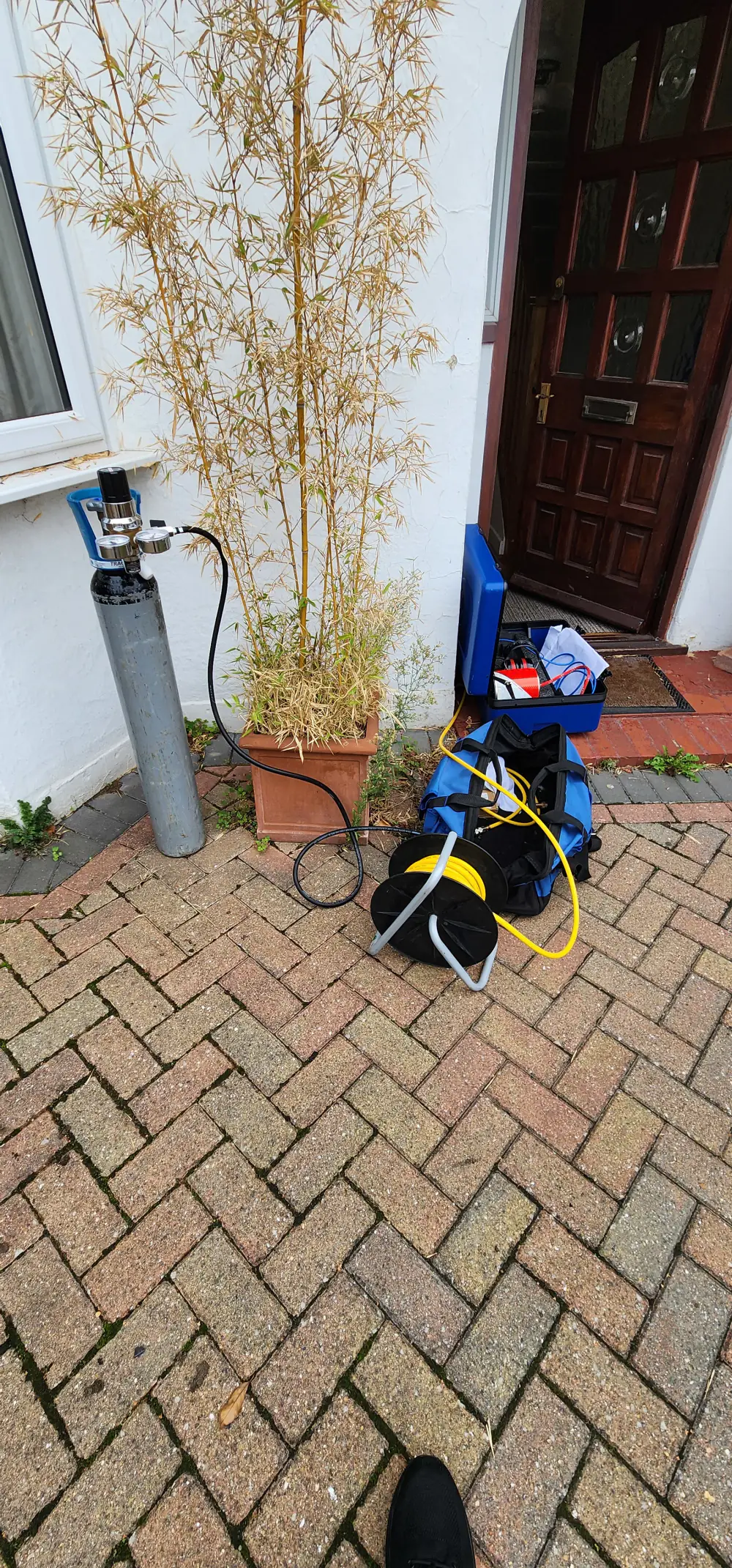
Mains Water Leak
A large bill inconsistent with reported low usage led to testing that confirmed a leak near the water meter for repair planning.
View investigation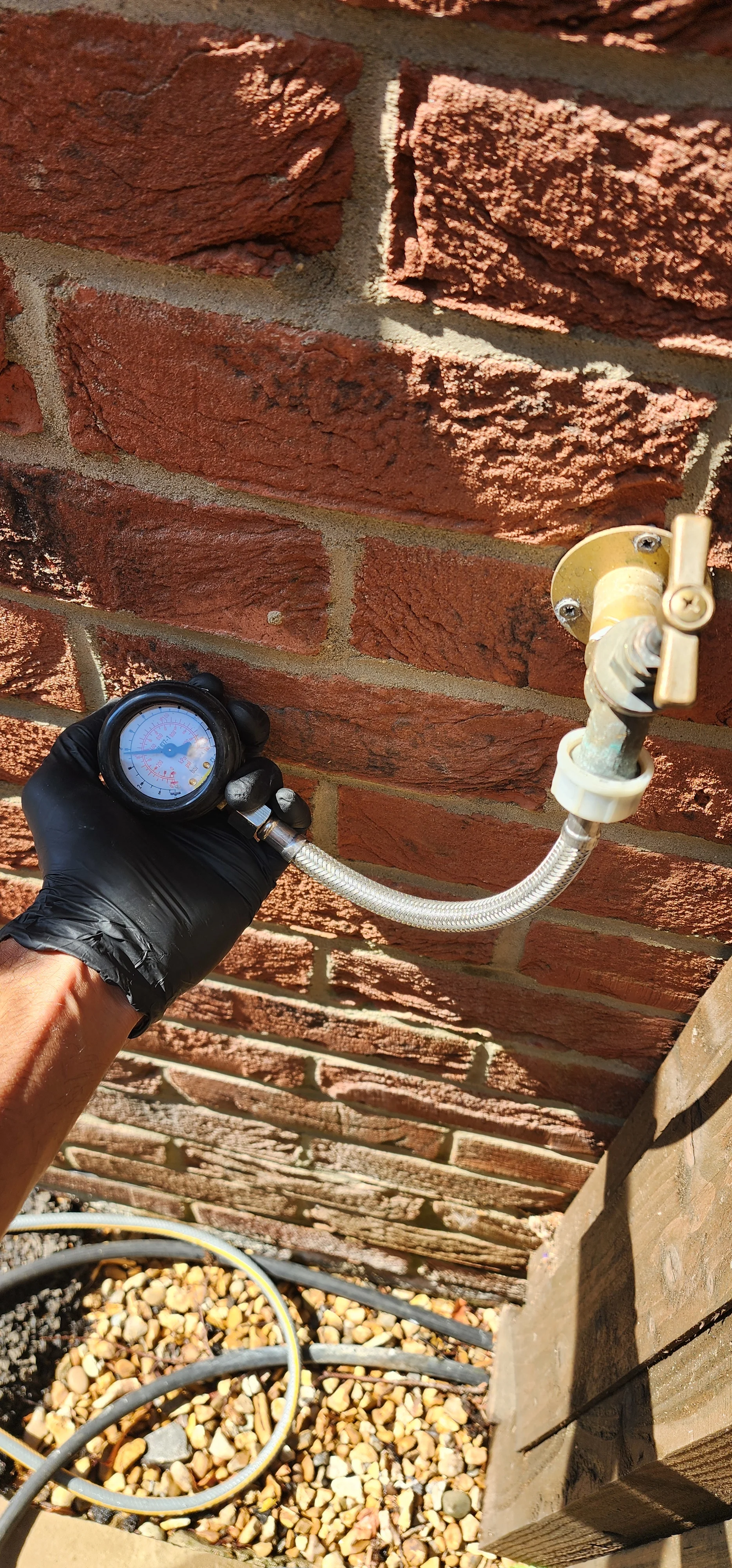
Mains Water Leak Investigation
An unexpectedly high water bill prompted controlled mains testing; no leak was found, and the findings were documented for water provider review.
View investigationFAQs
Yes. A toilet that passes water continuously can increase water usage without creating a visible leak on the floor.
No. Some cistern leaks are quiet and only show as small ripples in the pan, dye moving into the bowl or meter movement.
Yes, if the cistern is safely accessible. Add a small amount to the cistern water and wait without flushing. If colour appears in the pan, water is passing through.
Do not force panels, flush plates or tiled access points. If the cistern cannot be accessed safely, ask a plumber or suitable professional to inspect it.
If toilets and other outlets do not explain the movement, the issue may involve another internal fitting, external supply pipe or concealed leak that needs further investigation.
A passing toilet cistern is usually an internal fitting fault, not an underground mains water leak. However, both can cause meter movement, so checks should separate internal use from hidden water loss.
Speak To A Specialist
If toilet checks do not explain the meter movement or high usage, our engineers can review the symptoms and advise whether wider leak detection is appropriate.
Phone: 0333 577 0194 WhatsApp: Message us Email: Use the contact form