
Before a water meter leak test
Knowing where the internal stop tap is allows you to compare meter movement before and after internal isolation, where it is safe to do so.
Leak Detection Guide
Your internal stop tap controls the water supply inside the property and can be useful when checking unexplained meter movement or isolating a suspected internal water leak.
This guide explains where stop taps are commonly found, how to identify them safely, what different test results may mean and when not to force or rely on a valve.
Guide
An internal stop tap is the valve that controls the mains cold water supply after it enters the property. In many homes it can isolate most or all internal cold-water pipework, which makes it useful when checking whether unexplained water movement relates to pipework inside the property.
The stop tap does not locate a leak by itself. It helps create a clearer observation. If a water meter continues moving with outlets off, checking what happens when the internal stop tap is closed can help separate an internal issue from an external supply-pipe or shared-supply question.
Not every property has a simple arrangement. Flats, converted buildings, commercial units and older properties may have shared risers, multiple valves or stop taps hidden behind access panels. If the layout is unclear, treat the result cautiously.
Preparation
The aim is to identify the correct valve safely, not to force equipment or disturb shared services.
Before You Start
Finding the stop tap before there is a problem makes future checks easier. It is most useful when the valve is accessible, clearly connected to your property and safe to operate.
Knowing where the internal stop tap is allows you to compare meter movement before and after internal isolation, where it is safe to do so.
If the meter moves while taps and appliances are off, the stop tap can help indicate whether water movement may be inside the property or before the stop tap.
Landlords, managing agents and homeowners may want to know how to isolate the property if it will be vacant or if a leak symptom appears while nobody is using water.
Being able to explain whether the stop tap is accessible and whether meter movement changes can help an engineer, plumber or water supplier interpret the issue.
Step By Step
Look for the incoming cold water pipe, often near the front of the property, an external wall, a kitchen, utility room, garage, cellar or service cupboard. The stop tap is usually fitted close to this entry point.
In houses, common places include below the kitchen sink, inside a base unit, in a downstairs WC, utility cupboard, garage, under stairs cupboard, airing cupboard or cellar. Some older properties may have boxed-in pipework or access panels.
In flats and commercial buildings, valves may be in riser cupboards, plant rooms, service ducts or communal areas. Do not operate a valve unless you are confident it serves your property and is safe to use.
A traditional stop tap usually has a small tap-style handle. A lever valve may be open when the lever runs with the pipe and closed when it sits across the pipe. If several valves are present, label or photograph them before doing anything.
If the valve is accessible and not seized, turn it gently. Traditional valves usually close clockwise. Do not use force, tools or excessive pressure. A stiff or corroded valve should be left for a suitable professional.
After closing the valve, open a cold tap briefly to see whether flow stops. If water still runs normally, the valve may not control the supply you expected, may be only partially closing or may relate to another part of the system.
Compare
Several valves may appear near water pipework. The table helps explain why identification matters before using a valve as part of a leak check.
| What you see | Likely use | Why caution matters |
|---|---|---|
| Tap-style valve on incoming cold pipe | Often the internal stop tap. | It may still be seized, partly closing or connected to a shared arrangement. |
| Lever valve near an appliance | Often isolates a local appliance or branch. | It may not control the whole property supply. |
| Valves in a riser or plant cupboard | May serve flats, communal services or commercial units. | Do not operate without confirming which property or system it serves. |
Interpretation
A stop tap check is useful because it helps interpret where water movement may be occurring. It should be combined with a water meter observation rather than treated as a final diagnosis.
If the meter was moving and then stops after the internal stop tap is closed, the unexplained water movement may be after the stop tap. That could involve an internal outlet, appliance feed or concealed internal pipework.
If the meter continues moving after the internal stop tap is closed, the issue may be before the stop tap, on the external supply route, within a shared arrangement or linked to a valve that has not fully closed.
If taps continue to run normally, the valve may be seized, partly closed, bypassed or not the correct stop tap. Do not keep forcing it; the property layout may need checking.
Multiple valves can indicate extensions, separate supplies, shared pipework, hot-water equipment or older alterations. Photographs and notes are useful, but do not guess which valve controls what.
Avoid Mistakes
A stiff stop tap can snap, leak or fail if forced. If it does not move with gentle pressure, stop and arrange appropriate help rather than risking water damage.
In flats, commercial units and converted properties, a valve may serve another unit or a shared pipe. Confirm the arrangement before using it as evidence.
Some cupboards contain hot-water cylinder valves, appliance valves or heating-system valves. These are not always the incoming mains stop tap.
Closing the stop tap is more useful when paired with a meter observation. Without the meter result, the check may not explain whether unexplained water movement has stopped.
A stop tap check helps narrow the possibilities. It does not prove the exact leak location, pipe route, responsibility or repair method.
When To Get Help
Continued movement after safe isolation can suggest the external supply route, a shared supply or a valve issue needs further investigation.
If the property has several valves, shared services or no obvious entry point, specialist investigation may be needed before access or excavation is planned.
A seized, leaking or corroded stop tap should not be forced. A suitable plumber may be needed for the valve itself before leak detection evidence can be interpreted reliably.
A running meter, high water bill or supplier alert may need mains water leak detection if visible outlets and simple checks do not explain the water movement.
Damp flooring, staining or water appearing away from pipework should be investigated carefully because the visible symptom may not be directly above the source.
Next Step
The next step depends on whether the stop tap is accessible, whether it isolates the property and what the water meter does during the check.
If you have confirmed the correct valve, label it and keep a photo so occupiers, landlords or managing agents can find it quickly later.
If you are investigating unexplained water use, compare meter movement before and after closing the internal stop tap, only where it is safe to do so.
Take photos of the meter, valve position and any relevant pipework. These observations can help a water supplier, plumber or leak detection engineer understand what has already been checked.
Use a plumber for a visible faulty valve or accessible outlet fault. Consider specialist leak detection when water movement remains unexplained or the likely source is concealed.
Useful Next Steps
Investigation for running meters, high water bills and suspected leaks on underground water supply pipework.
Specialist investigation for hidden leaks inside properties, below floors and behind finishes.
Evidence-led leak tracing and reporting where access decisions or insurance discussions need clear findings.
Related Investigations
Published investigations involving running meters, unexplained water use or suspected mains water leaks.
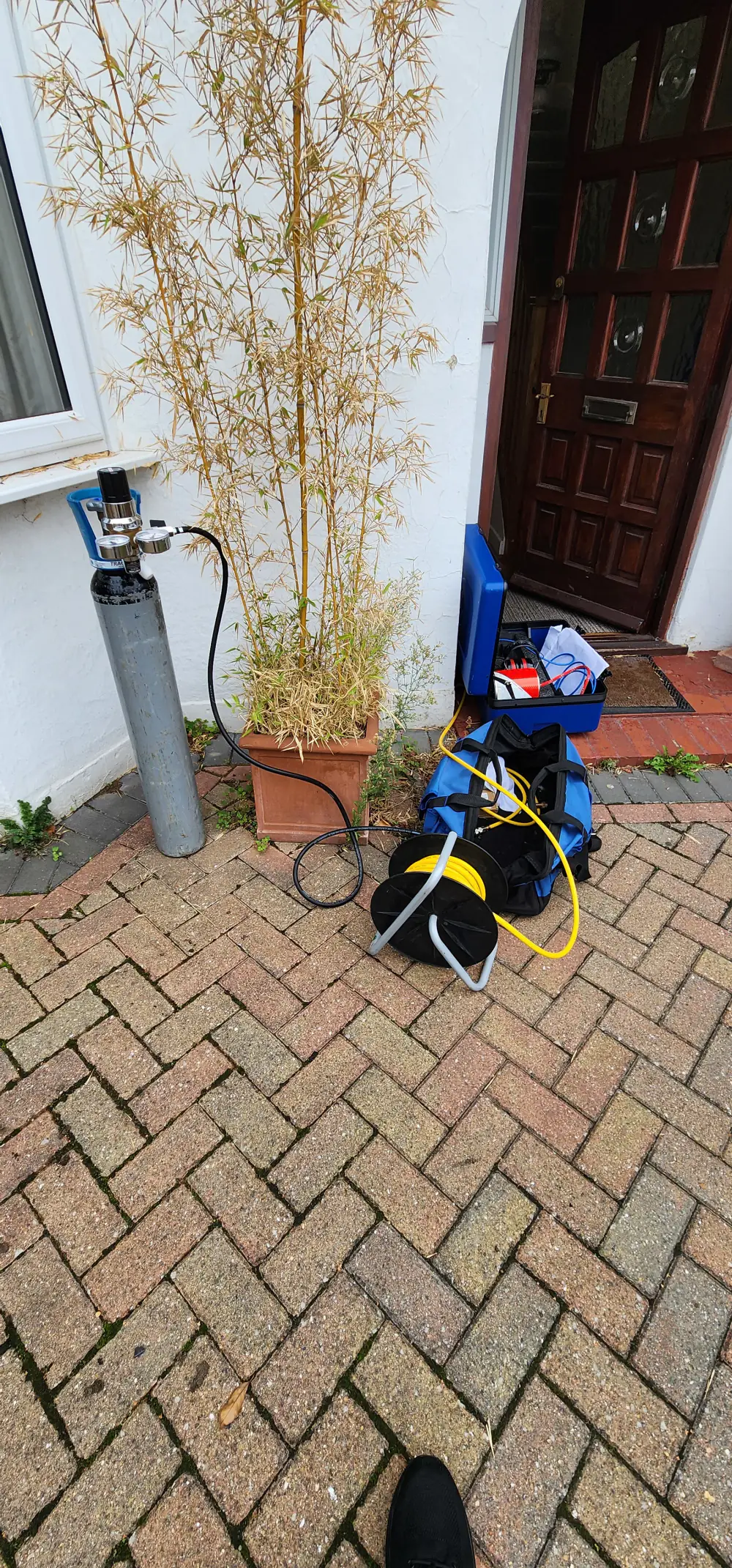
Mains Water Leak
A large bill inconsistent with reported low usage led to testing that confirmed a leak near the water meter for repair planning.
View investigation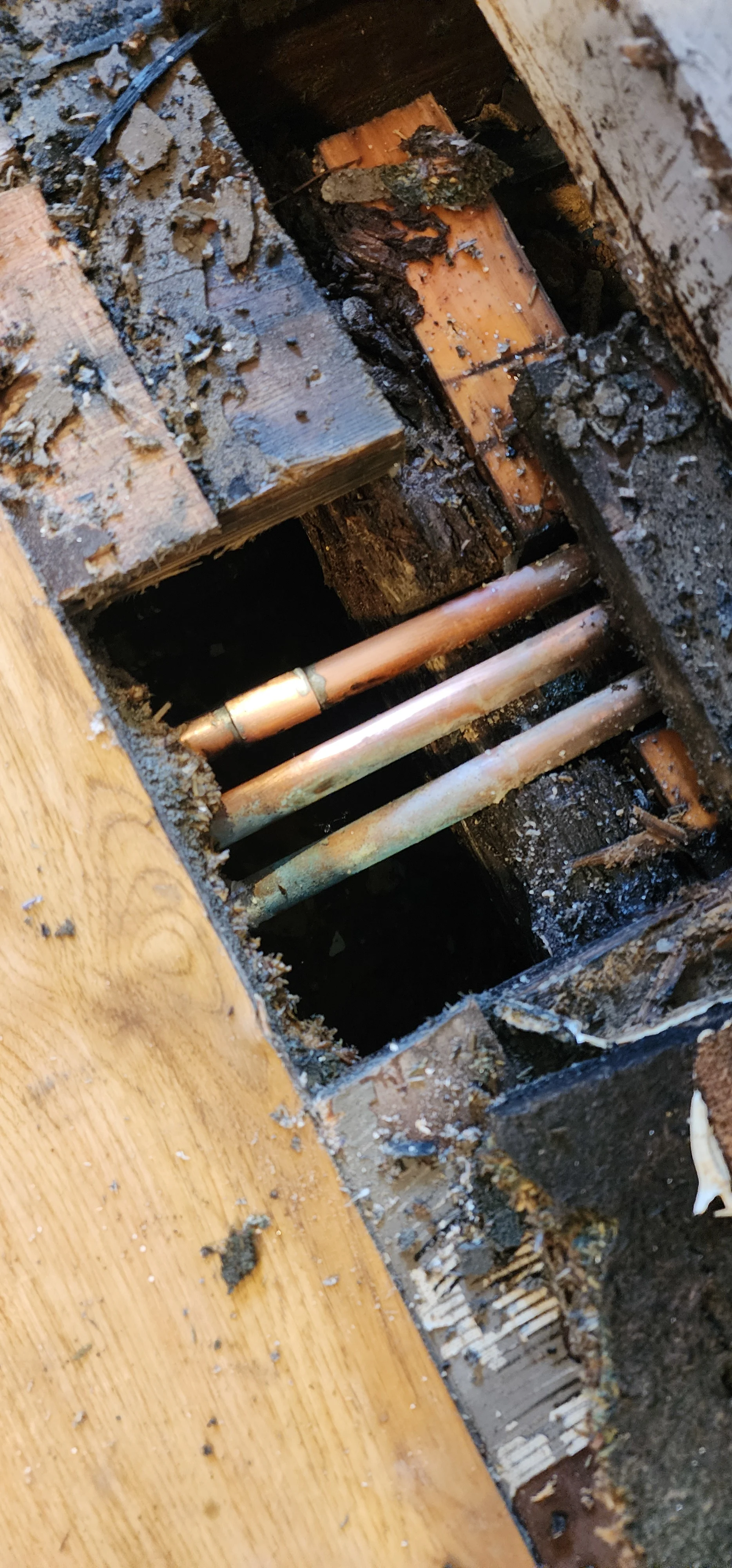
Mains Water Leak
A sound of escaping water between a kitchen and utility room led to a small pinhole leak on the kitchen mains pipe, which was repaired.
View investigation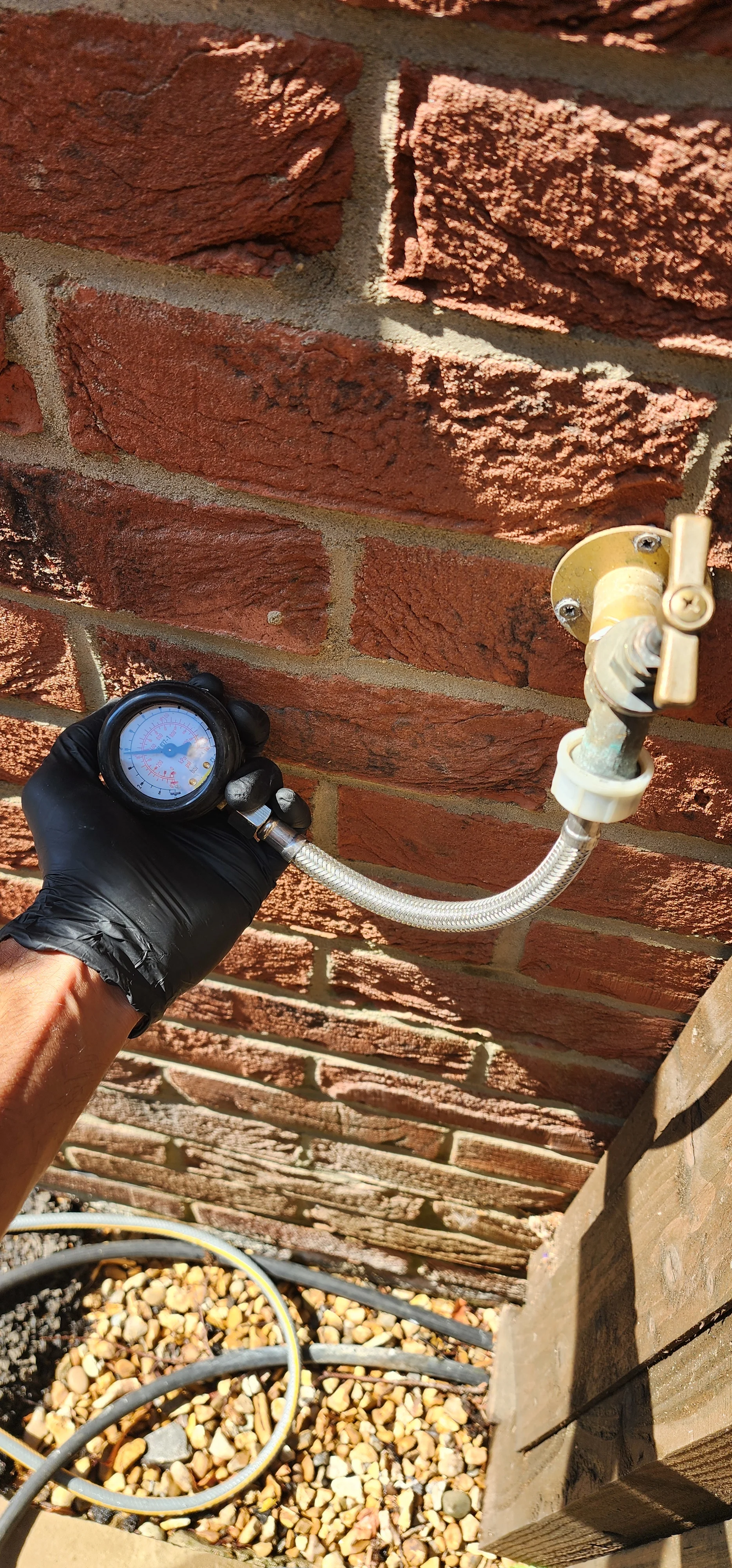
Mains Water Leak Investigation
An unexpectedly high water bill prompted controlled mains testing; no leak was found, and the findings were documented for water provider review.
View investigationFAQs
It is commonly below the kitchen sink, in a utility cupboard, downstairs WC, garage, cellar, airing cupboard, service riser or close to where the cold water supply enters the property.
Traditional stop taps usually close clockwise. Lever valves normally close when the lever sits across the pipe. Do not force any valve that feels seized, corroded or uncertain.
It can help interpret where unexplained water movement may be occurring, especially when used with a water meter check. It cannot locate the exact leak position by itself.
Check common entry points and service cupboards first. If the property has shared services or the layout is unclear, ask the managing agent, landlord, water supplier or a suitable professional before operating unknown valves.
Only if it is safe and easy to use. Comparing meter movement before and after closing the internal stop tap can help indicate whether unexplained movement may be inside the property or before the stop tap.
Do not force it. A leaking, seized or damaged stop tap is normally a plumbing repair issue. Once the valve is safe and working, leak detection checks can be interpreted more reliably if unexplained water movement continues.
Speak To A Specialist
Tell us what you found, whether your water meter is moving and whether the internal stop tap changes the result. We can advise whether mains water leak detection or another next step is appropriate.
Phone: 0333 577 0194 WhatsApp: Message us Email: Use the contact form