
A bill looks unusually high
Comparing readings can help you check whether usage has genuinely increased or whether the bill needs reviewing against previous readings and occupancy.
Leak Detection Guide
Reading your water meter correctly can help you understand normal use, record unexplained water movement and gather useful evidence before deciding what to do next.
This guide explains what to look for on a water meter, how to record readings, how to interpret movement and why a meter reading is useful evidence rather than a full leak diagnosis.
Guide
A water meter records the volume of water passing into a property or supply. Reading it correctly helps you understand whether water is being used, whether usage has changed and whether a meter appears to move when everything should be off.
A meter reading cannot show where a leak is located. It cannot prove whether the issue is inside the property, on an external supply pipe, within shared pipework or caused by an outlet such as a toilet cistern. It gives you a useful observation that needs to be interpreted alongside the property layout.
For homeowners, landlords, managing agents and commercial property owners, clear meter readings can help when speaking to a water supplier, comparing bills, carrying out a water meter leak test or deciding whether mains water leak detection may be appropriate.
Before You Start
Use this guide when you need to understand what the meter is showing before carrying out a leak test, contacting a supplier or arranging further investigation.
Comparing readings can help you check whether usage has genuinely increased or whether the bill needs reviewing against previous readings and occupancy.
A clear reading and photo can help you confirm whether movement is continuous, intermittent or linked to known water use.
Before testing, you need to know which numbers or indicators to watch and how to record the start and end readings.
Landlords and managing agents can use timed photographs to create a record before deciding whether a plumber, water supplier or leak detection engineer is needed.
Step By Step
Locate the meter and confirm it serves the property you are checking. Meters may be outside in a boundary box, inside a cupboard, in a communal meter chamber or within a plant area.
If the meter is dusty or damp, wipe the display gently where it is safe to access. Do not lift heavy covers, reach into unsafe chambers or disturb equipment you are unsure about.
Record the main digits shown on the meter. Some meters use black numbers for larger units and red numbers or small dials for smaller increments. A clear photograph is often more reliable than copying numbers by memory.
Many meters have a small dial, triangle, wheel or indicator that moves when water is passing through. This can be useful during a quiet-period check because small movement may appear before the main numbers change noticeably.
Note the time, date and whether taps, toilets, appliances, outside taps, irrigation systems or water softeners were in use. Without context, a reading can be difficult to interpret later.
If you are checking for unexplained use, avoid water use for a short period and compare the meter again. For slower concerns, repeat the check later or compare readings over a longer quiet period.
Interpretation
The value of a meter reading comes from comparing it with water use at the time. The same reading pattern can mean different things depending on outlets, shared supplies and the property layout.
This suggests there was no obvious water passing through the meter during that period. It does not rule out intermittent use, occasional toilet refilling or a very slow issue.
Occasional movement may be caused by normal appliance cycles, a toilet cistern, pressure changes, shared supply behaviour or a slow leak. Repeat the check when the property is quiet before drawing conclusions.
Steady movement when taps, toilets and appliances should be off can suggest ongoing water flow. A hidden leak is one possible cause, but visible outlets and the meter arrangement should be checked first.
Higher readings over days or weeks may reflect occupancy, appliances, outside use, a faulty outlet, supplier estimates or a leak. Comparing actual readings with bills helps separate these possibilities.
Avoid Mistakes
Shared meter chambers can contain several meters. If you are not certain which meter serves the property, do not rely on the reading until the supply has been confirmed.
A filling toilet, water softener, appliance feed, outside tap or irrigation system can create meter movement that looks like a hidden leak.
A single reading rarely explains the full pattern. Comparing readings over a quiet period gives more useful evidence than looking at the meter once.
Meter movement can show water is passing through the meter, but it cannot identify the pipe route, leak position or repair method.
Do not force heavy covers, seized valves or shared equipment. If access is unsafe or unclear, ask the water supplier, managing agent or a suitable professional for help.
When To Get Help
If movement continues after taps, toilets, appliances and outside outlets have been checked, further investigation may be needed to separate visible-use issues from concealed leakage.
If actual meter readings confirm high usage but normal use does not explain it, mains water leak detection may be appropriate.
Underground supply pipes, concrete floors, driveways, gardens and shared pipe routes can make visual checks unreliable without specialist investigation.
Converted buildings, flats and commercial premises can have shared or confusing supplies. Further checks may be needed before deciding responsibility or access.
If damp, staining, lifted flooring or water marks appear alongside unusual readings, the symptoms should be interpreted together rather than separately.
Next Step
Use the reading to decide what evidence you have and which next check is useful. Do not treat a meter reading alone as proof of a leak.
Save photos with the time and date. A short record of readings is more useful than trying to remember what the meter showed later.
If the meter appears to move, carry out a structured water meter leak test with all water-using items off before drawing conclusions.
If it is safe to do so, knowing where the internal stop tap is can help you interpret whether movement may relate to internal pipework or the external supply route.
Use a plumber for visible outlet or valve faults. Consider specialist leak detection when meter movement remains unexplained and the likely source is concealed.
Useful Next Steps
Investigation for running meters, high water bills and suspected leaks on underground water supply pipework.
Specialist investigation for hidden leaks inside properties, beneath floors and behind finishes.
Evidence-led leak tracing and reporting where access decisions or insurance discussions need clear findings.
Related Investigations
Published investigations involving running meters, high water use or suspected mains water leaks.
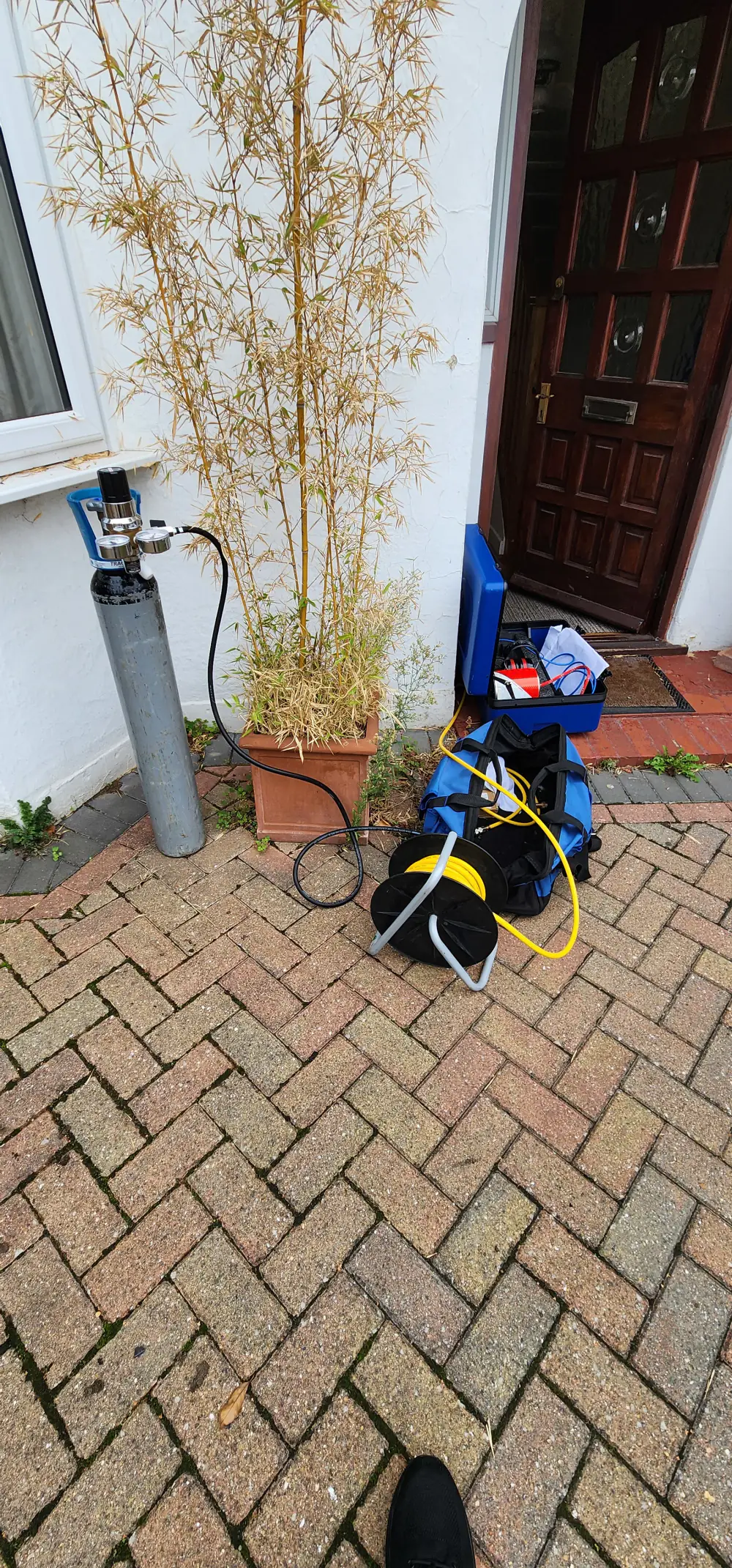
Mains Water Leak
A large bill inconsistent with reported low usage led to testing that confirmed a leak near the water meter for repair planning.
View investigation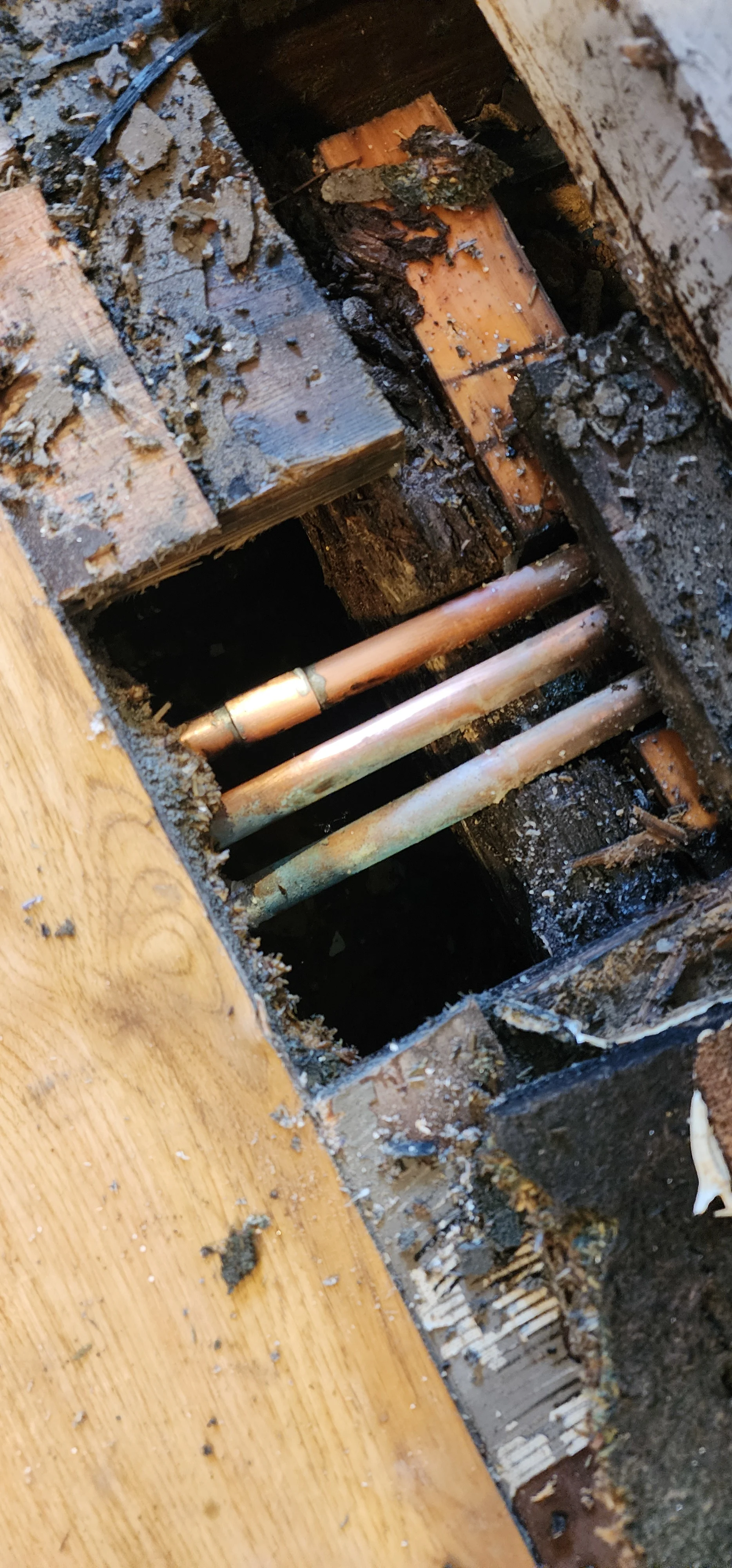
Mains Water Leak
A sound of escaping water between a kitchen and utility room led to a small pinhole leak on the kitchen mains pipe, which was repaired.
View investigation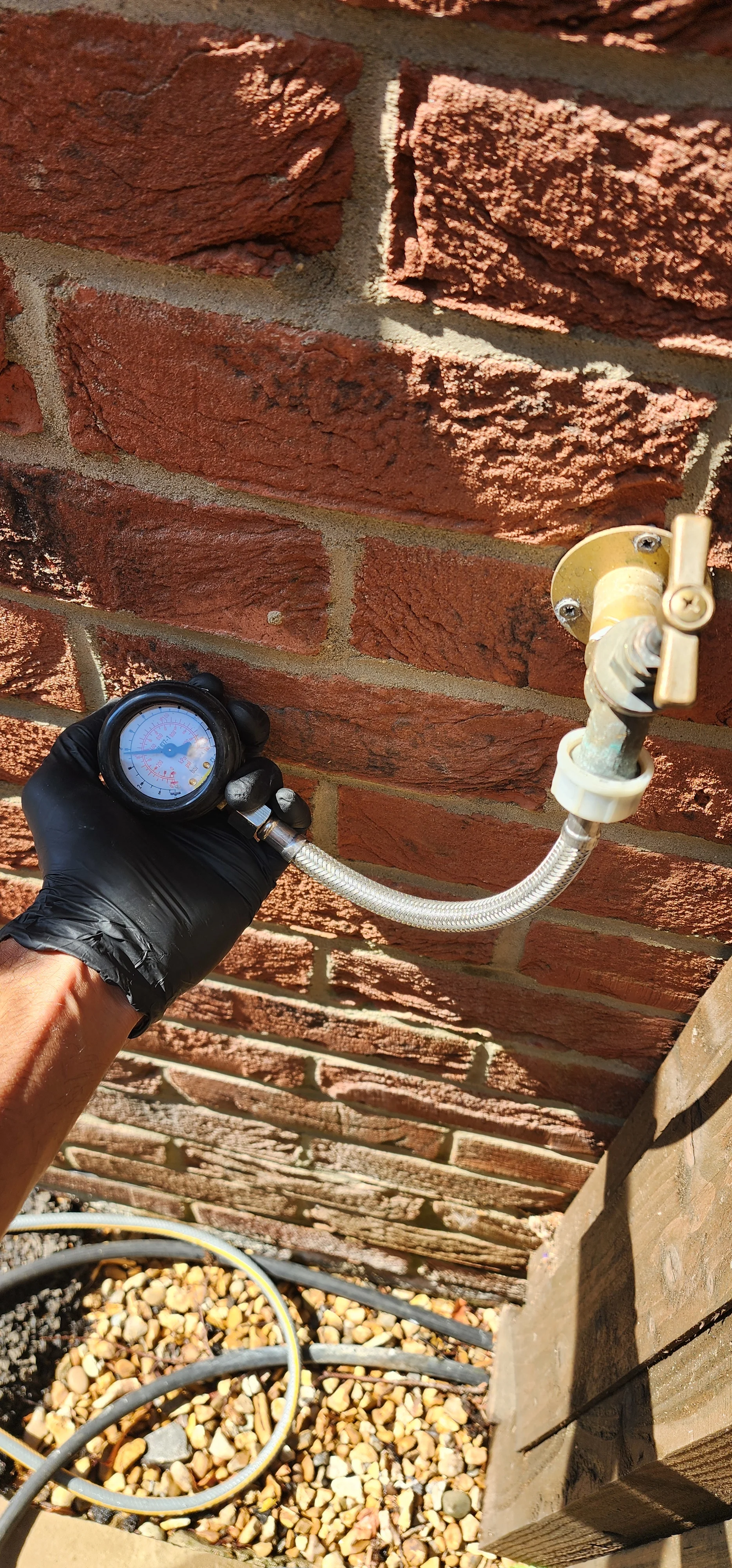
Mains Water Leak Investigation
An unexpectedly high water bill prompted controlled mains testing; no leak was found, and the findings were documented for water provider review.
View investigationFAQs
Record the main numbers shown on the meter and take a clear photo. Some meters also have red numbers, small dials or a flow indicator that can show smaller movement.
It means water may still be passing through the meter. This can be caused by a hidden leak, but toilets, appliances, outside taps, shared supplies and normal use should be ruled out first.
No. A reading can show water movement or usage, but it cannot prove the exact cause or location. It should be interpreted with safe checks, property layout and any visible symptoms.
Take readings at consistent times when water use is low, such as before and after a quiet period. A short record over several days can be more useful than one isolated reading.
Only if it is safe and easy to operate. Comparing meter movement before and after closing the internal stop tap can help indicate whether unexplained movement may be inside the property or before the stop tap.
Consider specialist leak detection if meter movement remains unexplained, the supply pipe is hidden or underground, a high bill cannot be explained by normal use, or water damage appears without a visible source.
Speak To A Specialist
Tell us what the meter is showing, whether anything was using water and whether you have already checked the internal stop tap. We can advise whether leak detection is the right next step.
Phone: 0333 577 0194 WhatsApp: Message us Email: Use the contact form