
The bill is higher than expected
A large increase can be meaningful, especially where occupancy, business activity, appliances and seasonal use have not changed.
Leak Detection Guide
A higher water bill can be the first sign of hidden water loss, but it can also be caused by normal usage changes, billing estimates, appliances or meter-reading differences.
This guide explains how to review a water bill calmly, what patterns may suggest a leak and which safe checks can help before arranging a specialist investigation.
Guide
A water bill can point towards a leak when the recorded usage is higher than expected and there is no obvious change in how the property is being used. This is especially relevant when the bill is based on an actual meter reading rather than an estimate.
Hidden leaks linked to high bills often involve supply pipework, external routes, underground pipework, internal cold water feeds, passing toilets or concealed water loss beneath floors or behind finishes.
The bill itself does not locate a leak. Its value is that it provides a usage pattern. That pattern should be checked against meter readings, property use and visible fittings before deciding whether leak detection is appropriate.
Preparation
Keep the task focused on evidence. You are trying to understand whether the increase is billing, normal usage or possible hidden water loss.
Before You Start
Use this guide when the water bill has changed and you need to decide whether the increase is likely to be usage, billing or possible hidden water loss.
A large increase can be meaningful, especially where occupancy, business activity, appliances and seasonal use have not changed.
Water suppliers may flag unusual consumption, continuous usage or meter movement that looks abnormal compared with previous readings.
A high bill without obvious water damage can still be linked to hidden supply pipework, external routes or concealed internal pipework.
Landlords, managing agents and commercial owners often need a clear process for checking whether usage is normal before arranging attendance.
Step By Step
An estimated bill may not reflect current use accurately. Compare estimated readings with the actual meter reading before treating the bill as proof of a leak.
Check how many days the bill covers and whether the latest period is longer than previous bills. A longer billing period can make the total look unusually high.
Charges can change because of tariffs, standing charges or billing adjustments. Focus on cubic metres, litres or daily usage if the bill provides that information.
Consider changes in occupancy, guests, garden watering, building work, new appliances, business activity, tenants or periods when the property was occupied more heavily.
Look for passing toilets, dripping taps, appliance feeds, outside taps, water softeners, irrigation systems and boiler filling loops before assuming there is a hidden pipe leak.
If the bill remains unexplained, check whether the meter moves when taps, toilets, appliances and outside supplies should be off. Record the reading with photos and times.
Compare
Use this table to separate common billing patterns from leak-related warning signs.
| Bill or meter clue | What it may mean | Useful first check |
|---|---|---|
| Estimated reading | The bill may not reflect current usage accurately. | Submit or compare an actual meter reading. |
| Actual usage has risen sharply | Water use has increased or water may be escaping somewhere. | Review occupancy, appliances, toilets, outside taps and quiet-period meter movement. |
| Supplier reports continuous usage | Water may be passing through the meter when the property should be quiet. | Carry out a controlled water meter leak test. |
| High bill with no visible damage | The issue may be external, underground, intermittent, concealed or billing-related. | Check meter behaviour before assuming the source is hidden pipework. |
Decision Guide
Use the bill evidence to choose the next practical step.
Estimated readings can distort usage and create sudden corrections.
A genuine increase with no change in use should be checked against visible outlets and meter movement.
Next step
Carry out a water meter leak test.Unexplained movement can indicate hidden water loss, but visible causes should still be ruled out.
Next step
Review mains water leak detection.Interpretation
The pattern behind the bill is more useful than the bill amount alone. Interpret the usage before deciding what to do next.
An estimate can be wrong in either direction. Submit or compare an actual reading before assuming the increase is caused by a leak.
A sudden rise without a change in use may suggest hidden water loss, a passing outlet or a supply pipe issue that needs checking.
Continuous usage can be linked to a constantly passing toilet, appliance, outside supply, shared supply behaviour or a concealed leak.
If the meter does not move during quiet periods, review billing periods, historical estimates, tariff changes and intermittent use before assuming an active leak.
Avoid Mistakes
The cost can rise because of price changes, billing corrections or a longer bill period. Usage figures are usually more useful for leak checks.
Estimated bills can create confusion when the next actual reading catches up. Always compare the bill reading with the meter if possible.
A toilet passing quietly into the pan can cause significant water use without obvious pooling or damage.
Supply pipe or underground leaks can increase a bill without causing visible internal damp, especially where water escapes outside or below ground.
When To Get Help
If meter readings show increased usage and normal causes have been ruled out, hidden water leak investigation may be appropriate.
Meter movement during a quiet test is a strong reason to check for hidden water loss, although visible outlets should still be ruled out first.
Supplier alerts, smart meter data or repeated abnormal readings can provide useful evidence for a structured leak investigation.
Leak detection should normally come before digging, lifting floors or opening finishes so access can be planned around evidence.
Next Step
The right next step depends on whether the bill increase can be explained by usage, billing or meter behaviour.
Take an actual meter reading and compare it with the bill before arranging leak detection or challenging the usage.
Repair or adjust the visible issue, such as a passing toilet, appliance feed or outside tap, and monitor the next reading.
Use the water meter leak test guide and record the result. If movement remains unexplained, mains water leak detection may be suitable.
A specialist investigation can help decide whether the issue is external supply pipework, concealed internal pipework or another connected route.
Useful Next Steps
Investigation for high water bills, running meters and suspected leaks between the meter and property.
Non-destructive investigation for hidden internal leaks, concealed pipework and unexplained water loss.
Leak investigation for abnormal water usage in managed buildings, businesses and commercial properties.
Related Investigations
Published investigations where high usage, supplier alerts, running meters or hidden water loss required evidence-led diagnosis.
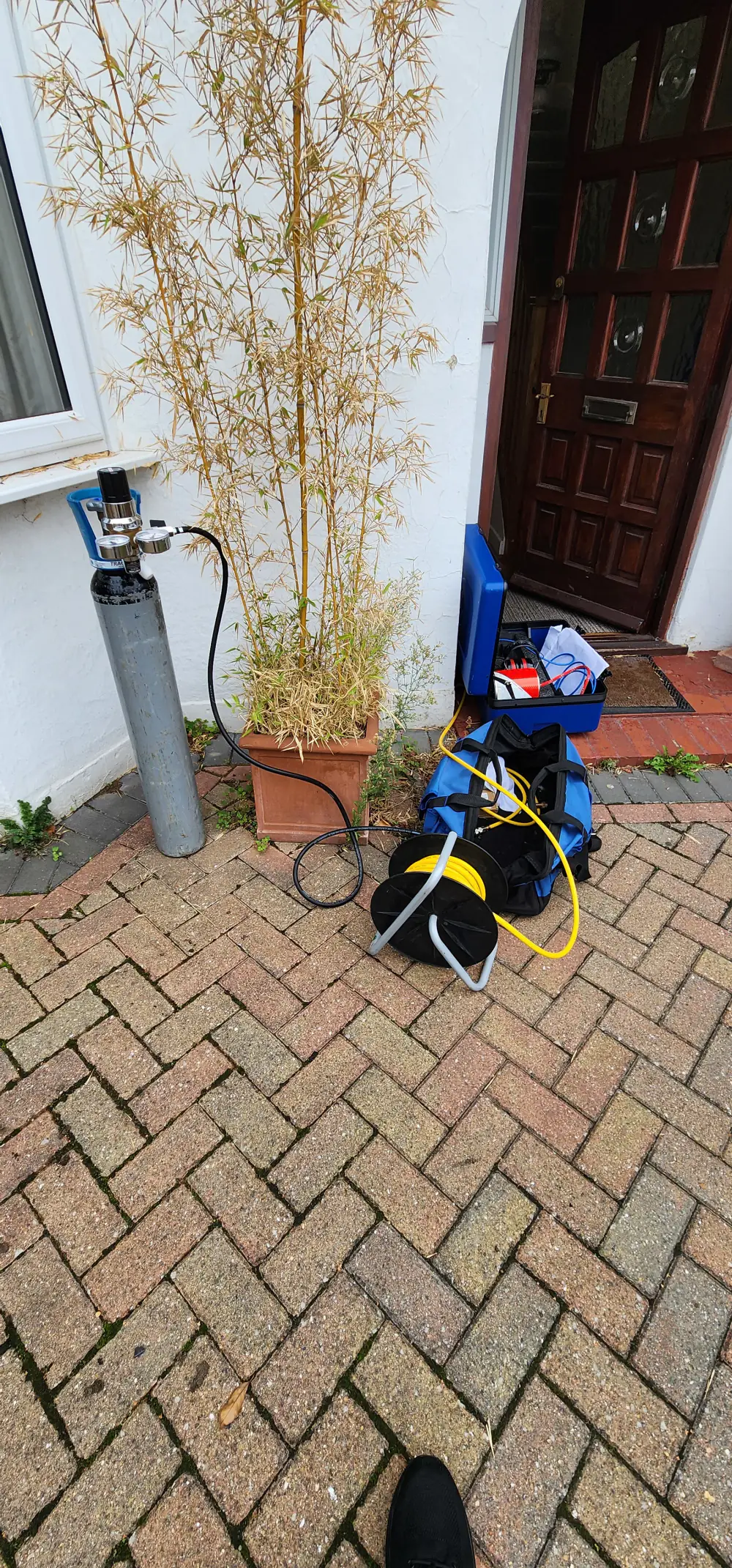
Mains Water Leak
A large bill inconsistent with reported low usage led to testing that confirmed a leak near the water meter for repair planning.
View investigation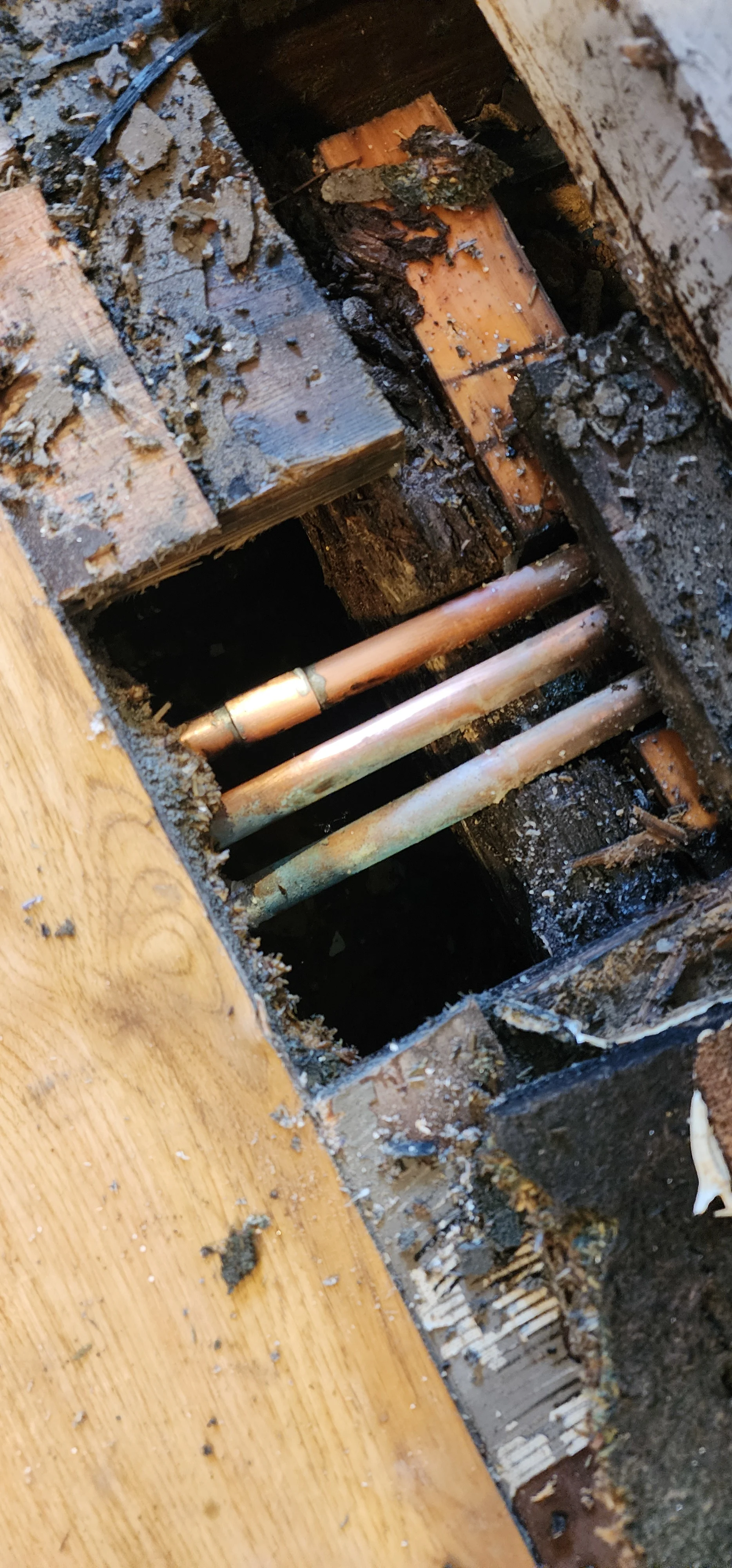
Mains Water Leak
A sound of escaping water between a kitchen and utility room led to a small pinhole leak on the kitchen mains pipe, which was repaired.
View investigation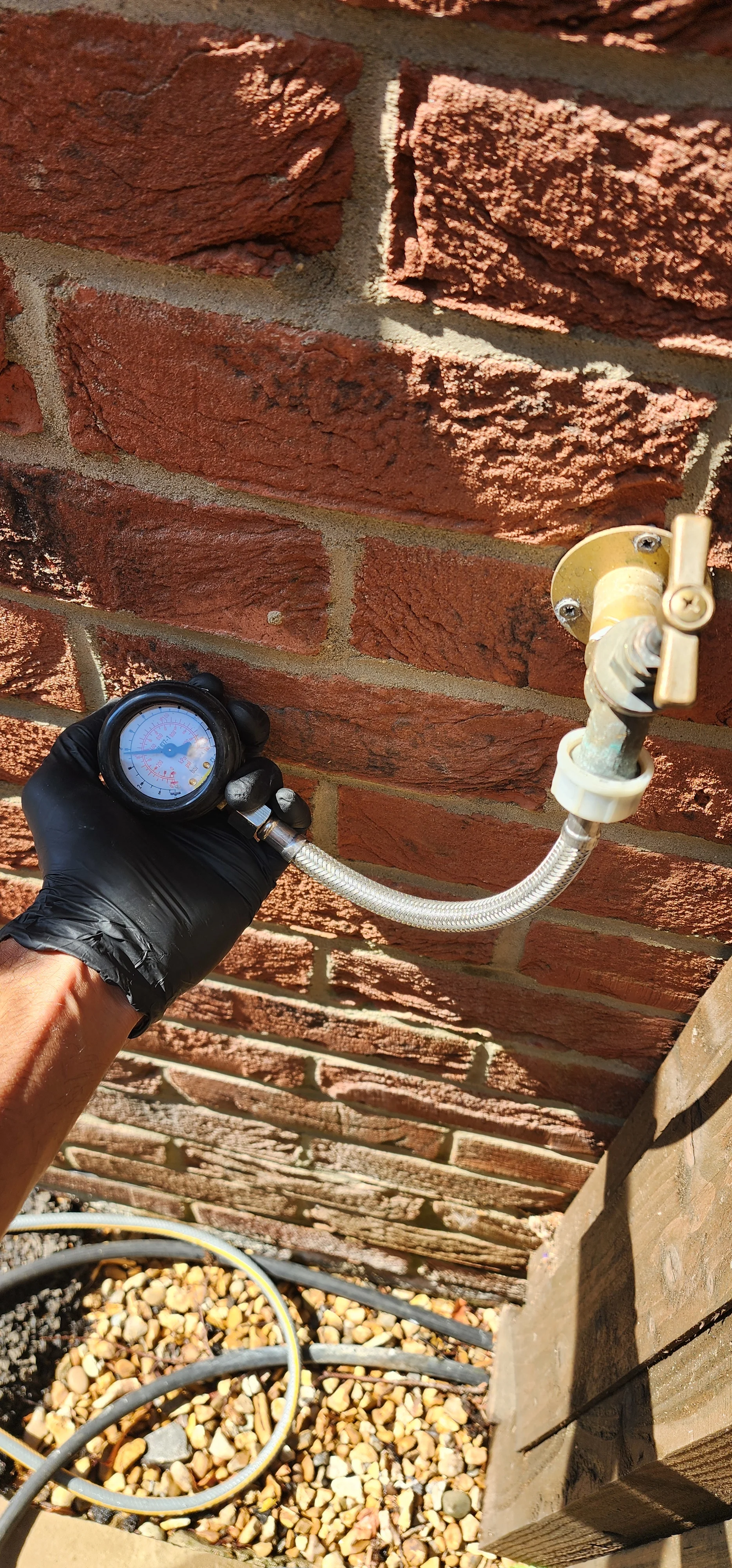
Mains Water Leak Investigation
An unexpectedly high water bill prompted controlled mains testing; no leak was found, and the findings were documented for water provider review.
View investigationFAQs
No. A high bill can be caused by estimated readings, a longer billing period, tariff changes, occupancy changes, appliances, outside water use or a leak.
The usage figure is usually more useful than the total cost. Compare cubic metres, litres or daily usage with previous actual readings where possible.
Yes. Supply pipe leaks, underground leaks and some concealed internal leaks can increase usage before visible damp or water damage appears.
If the reading is unclear, the meter may be shared or the bill appears estimated, the supplier may help confirm billing and meter information. If usage is confirmed and unexplained, leak detection may be the next step.
Yes. A toilet that quietly passes water into the pan can use a significant amount of water without causing visible flooding.
Arrange leak detection when actual usage remains unexplained, the meter moves while water is off, or a supplier reports continuous or excessive usage that visible checks do not explain.
Speak To A Specialist
If your usage remains unexplained after safe checks, our engineers can review the evidence and advise whether mains water or hidden water leak detection is the right next step.
Phone: 0333 577 0194 WhatsApp: Message us Email: Use the contact form